CRM Transformation: How a B2B SaaS Vendor Compressed Lead-to-Cash Cycle by 41% with Agentic Workflows
By Vatsal Shah · 2026-05-27 · Revenue Operations Modernization
In the high-growth B2B SaaS sector, the speed at which a lead converts into recognized revenue dictates cash flow efficiency and customer trust. Unfortunately, many scaling enterprise software vendors suffer from a fragmented post-sale process. When sales, billing, and provisioning systems operate in siloes, teams resort to manual data entry, multiple software handoffs, and email chains. This operational drag creates significant bottlenecks, slows cash collections, and impacts the customer onboarding experience.
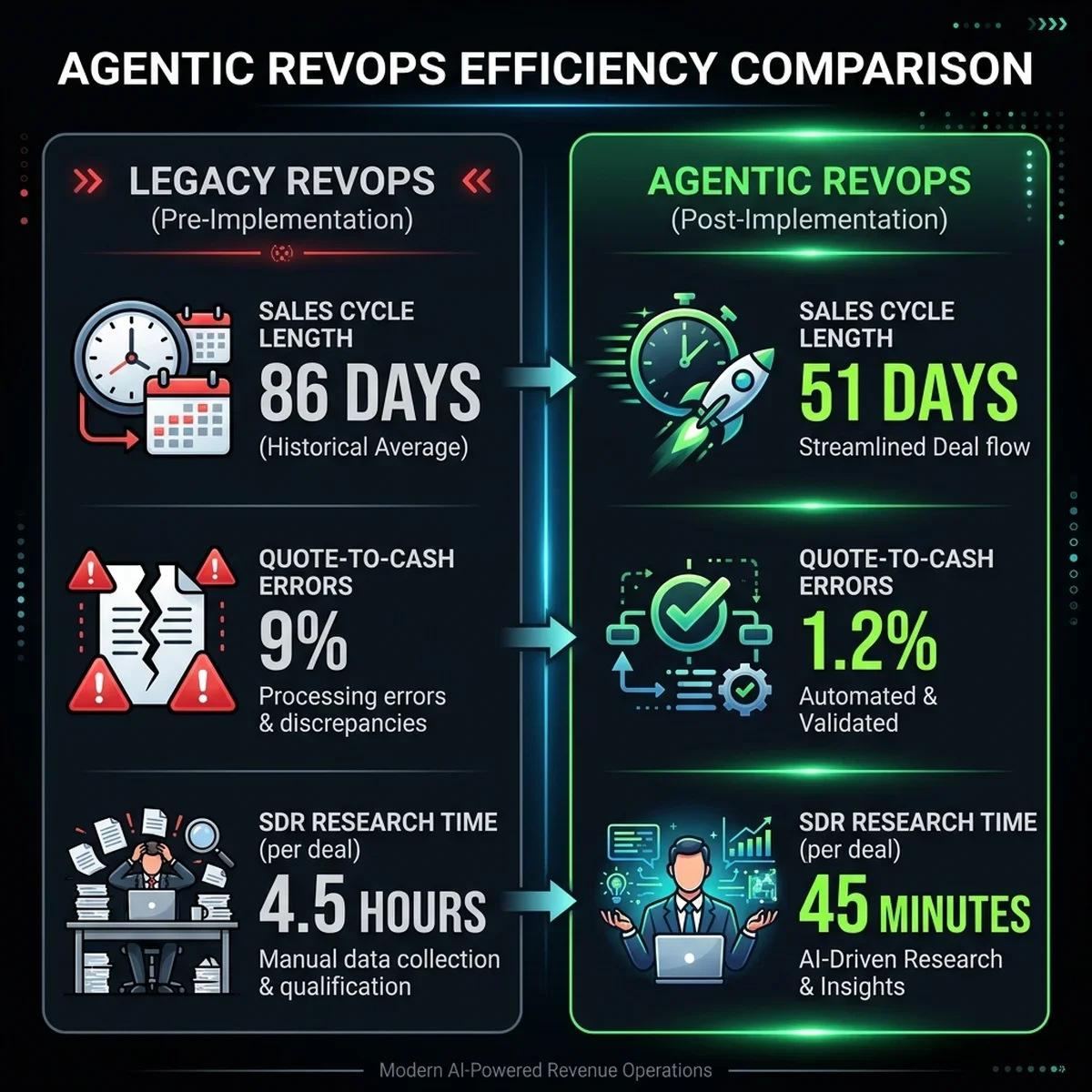
This case study documents the revenue operations (RevOps) transformation of an anonymized enterprise cybersecurity SaaS vendor. Facing an average sales cycle of 86 days and rising quote-to-cash data errors, the operations team paused manual syncing routines and conducted a detailed system audit.
The vendor built a stateful, event-driven multi-agent architecture to automate manual tasks between their CRM, billing platform, and cloud infrastructure. By replacing manual workflows with coordinated, specialized agents, the company compressed its lead-to-cash cycle by 41%, cut quote errors to 1.2%, and reduced SDR pre-sale research time to 45 minutes per account.
This case study details how a B2B SaaS vendor consolidated manual revenue operations, deployed an event-driven multi-agent orchestration engine, and integrated CRM, Stripe, and AWS databases to compress the lead-to-cash cycle from 86 to 51 days.
Strategic Overview
Strategic Overview
- The Challenge: A B2B SaaS provider struggled with a bloated 86-day sales cycle, a 9% quote validation error rate, and a 10-day delay in database and billing provisioning after closing deals.
- The Solution: Deploying a coordinated suite of four autonomous agents (Research, Audit, Billing, and Provisioning) connected through an event-driven orchestrator.
- The Outcome: Compressing the lead-to-cash cycle to 51 days, reducing quote errors to 1.2%, and cutting manual tenant provisioning from 7 days to under 10 minutes.
The Pre-Implementation Crisis: Swivel-Chair RevOps and the 86-Day Sales Cycle
Prior to implementing the agentic engine, the B2B SaaS vendor managed its sales pipeline and account setup through three disconnected systems. The sales team worked in Salesforce CRM, the finance and accounting department managed invoicing through Stripe and Chargebee billing portals, and the engineering infrastructure team manually configured cloud accounts in AWS.
Because these platforms lacked an active orchestration layer, employees spent a significant portion of their workdays manually transferring data, copying customer details, and updating status fields. I've seen many companies fall into this trap, relying on "swivel-chair" operations where humans act as the API.
This manual process resulted in three primary operational bottlenecks:
1. SDR Lead Enrichment Drag
Before making an outbound call or booking a demo, sales development representatives (SDRs) spent an average of 4.5 hours per prospect researching firmographic data, funding rounds, technological stacks, and contact details from ZoomInfo, LinkedIn, and corporate websites. Representatives manually copied this information into Salesforce, meaning valuable sales time was wasted on simple data entry.
2. The Deal Desk Bottleneck and Quote Errors
During negotiations, sales representatives created custom pricing quotes using manual spreadsheets. Because the quotes bypassed automated billing validation, reps frequently applied conflicting discount rates, outdated pricing tiers, or unapproved payment terms. The operations team had to manually review every quote, resulting in a 9% validation error rate and days of internal emails to correct billing terms.
3. Onboarding and Provisioning Delays
Once a deal was marked as "Closed-Won," the operational handoff to finance and engineering took an average of 10 days. The billing team required 3 days to manually configure Stripe subscription schedules, calculate pro-rated taxes, and email the invoice.
Following payment, the systems engineering team required 7 days to write custom Terraform scripts, spin up customer database instances, register identity pools, and configure single sign-on (SSO). This delay frustrated new clients, postponed billing, and caused significant revenue leakage.
  [ Lead enriched manually ] ──> [ Quote built on spreadsheet ] ──> [ Manual validation checks ]
                                                                             │
                                                                             v
  [ SaaS Account Setup ] <── [ Stripe Invoice Configured ] <── [ Deal marked class="tok-str">"Closed-Won" ]
(7-day database setup) (3-day manual sync)- Average Lead-to-Cash Cycle: 86 Days (From initial outbound research to active paid tenant account)
- Quote-to-Cash Validation Errors: 9.0% (Mismatched pricing tiers, incorrect billing terms)
- SDR Manual Research Labor: 4.5 Hours per prospect (Time spent scraping external tools)
- Post-Sale Provisioning Latency: 10 Days (Manual Stripe invoices and AWS database builds)
- Annual Revenue Leakage: $285,000 (Calculated from delayed billing starts and wrong-tier billing)
The Solution Approach: Deconstructing the Revenue Pipeline
To solve the pilot-graveyard trap where automation scripts run in isolated sandboxes without database access, the vendor's IT leadership restructured the operations pipeline. They defined a coordinated, event-driven framework where system APIs trigger stateful agents.
Instead of writing simple triggers, they focused on building a secure orchestrator that checks database rules, manages credentials, and coordinates tasks. The goal was to remove manual data transfers entirely, ensuring that every transition from prospect to active subscriber is handled by a governed pipeline.
By focusing on a single, unified database schema and establishing event streams, they created a solid foundation for deploying autonomous, stateful agents.
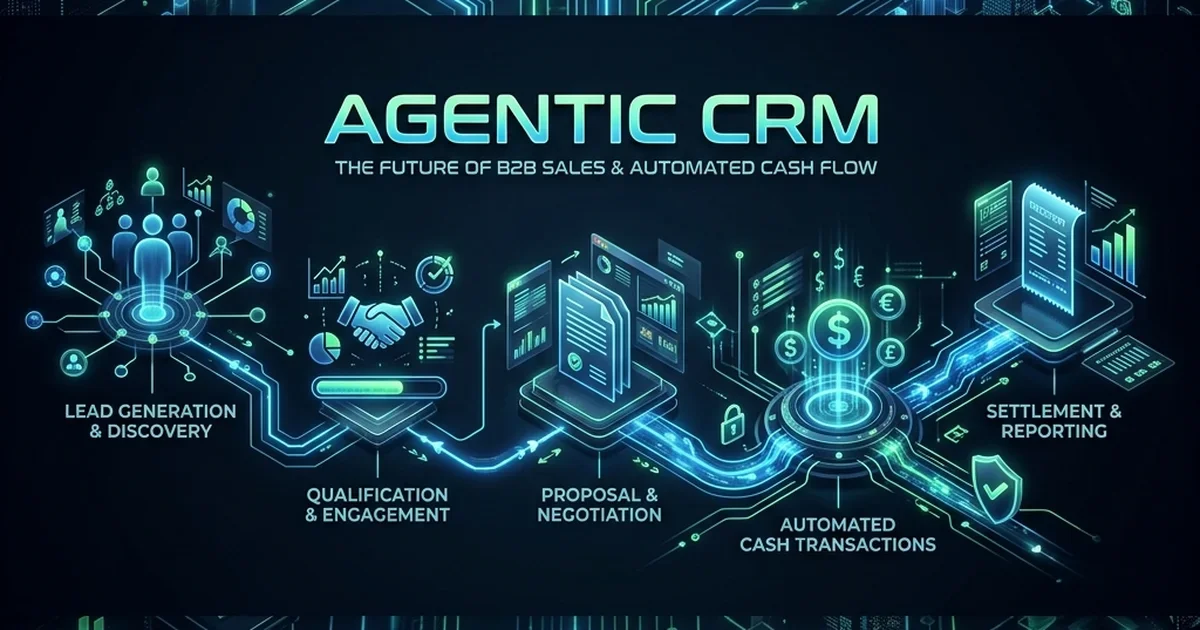
The Solution Architecture: A Decentralized Agentic RevOps Engine
The platform is designed around a microservices architecture, utilizing an Apache Kafka event broker to handle asynchronous message queues between Salesforce, Stripe, and AWS Cognito. The engine runs four specialized agents that execute distinct operational tasks:
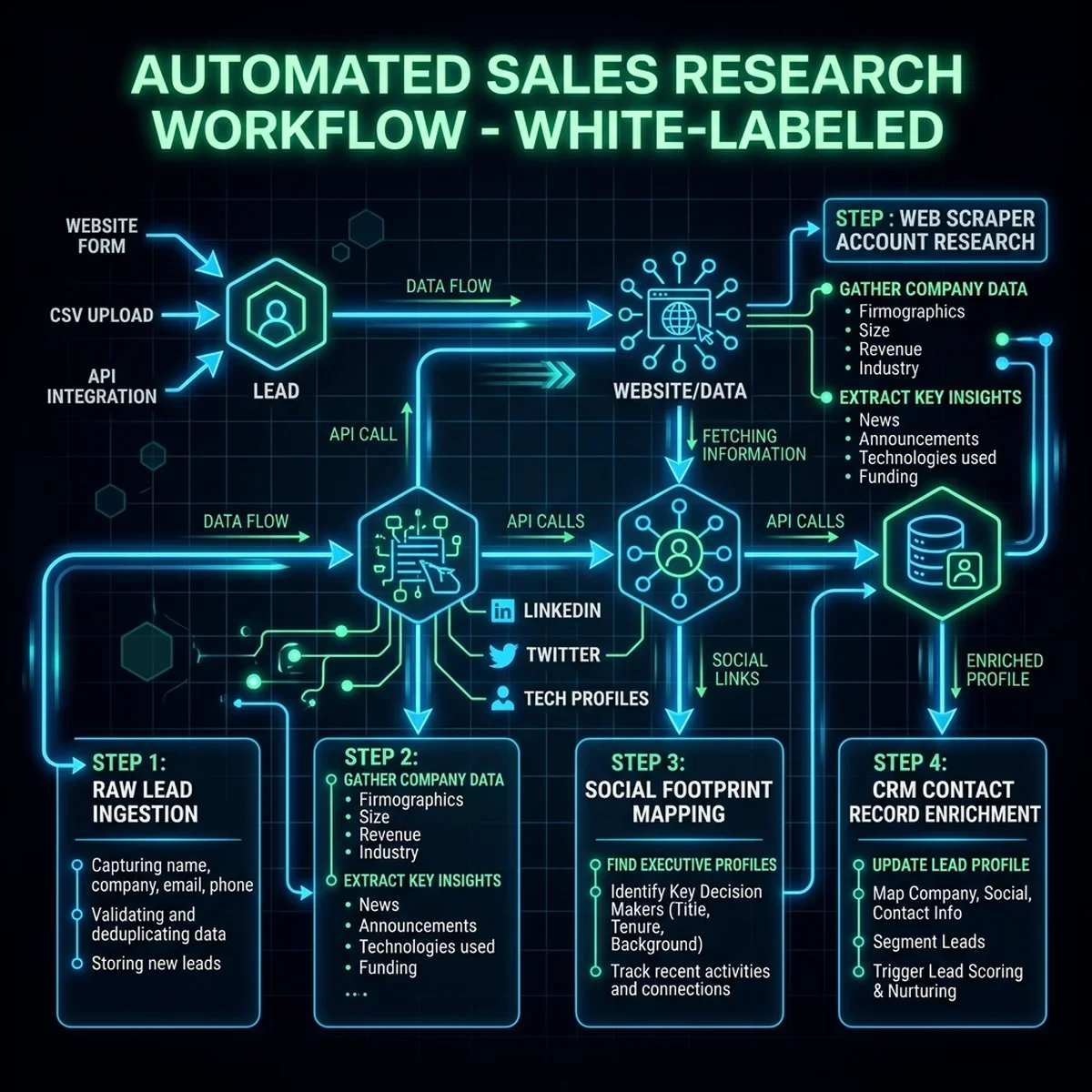
1. The Sales Research Agent
This agent monitors incoming Salesforce leads. When a new prospect enters the CRM, the agent triggers API calls to ZoomInfo, Crunchbase, and LinkedIn to enrich the profile. It parses corporate data, identifies decision-makers, and saves the formatted details to Salesforce, cutting manual research times by 83%.
2. The Deal Desk Audit Agent
The Audit Agent monitors the Salesforce quote generation step. It compares proposed pricing and discounts against active corporate billing policies. If a quote violates discount rules, the agent blocks submission, logs the variance, and sends a notification to the manager's dashboard.
3. The Billing Reconciliation Agent
When a deal status changes to Closed-Won, the Billing Agent automatically reads the Salesforce opportunity details, creates a corresponding customer record in Stripe, configures the recurring billing schedule, and dispatches the activation invoice.
4. The Tenant Provisioning Agent
The Provisioning Agent monitors Stripe payment events. When the Billing Agent detects a paid invoice message, the Provisioning Agent calls AWS APIs to instantiate a tenant account, spin up a secure database cluster, and configure identity credentials, completing the loop in under 10 minutes.
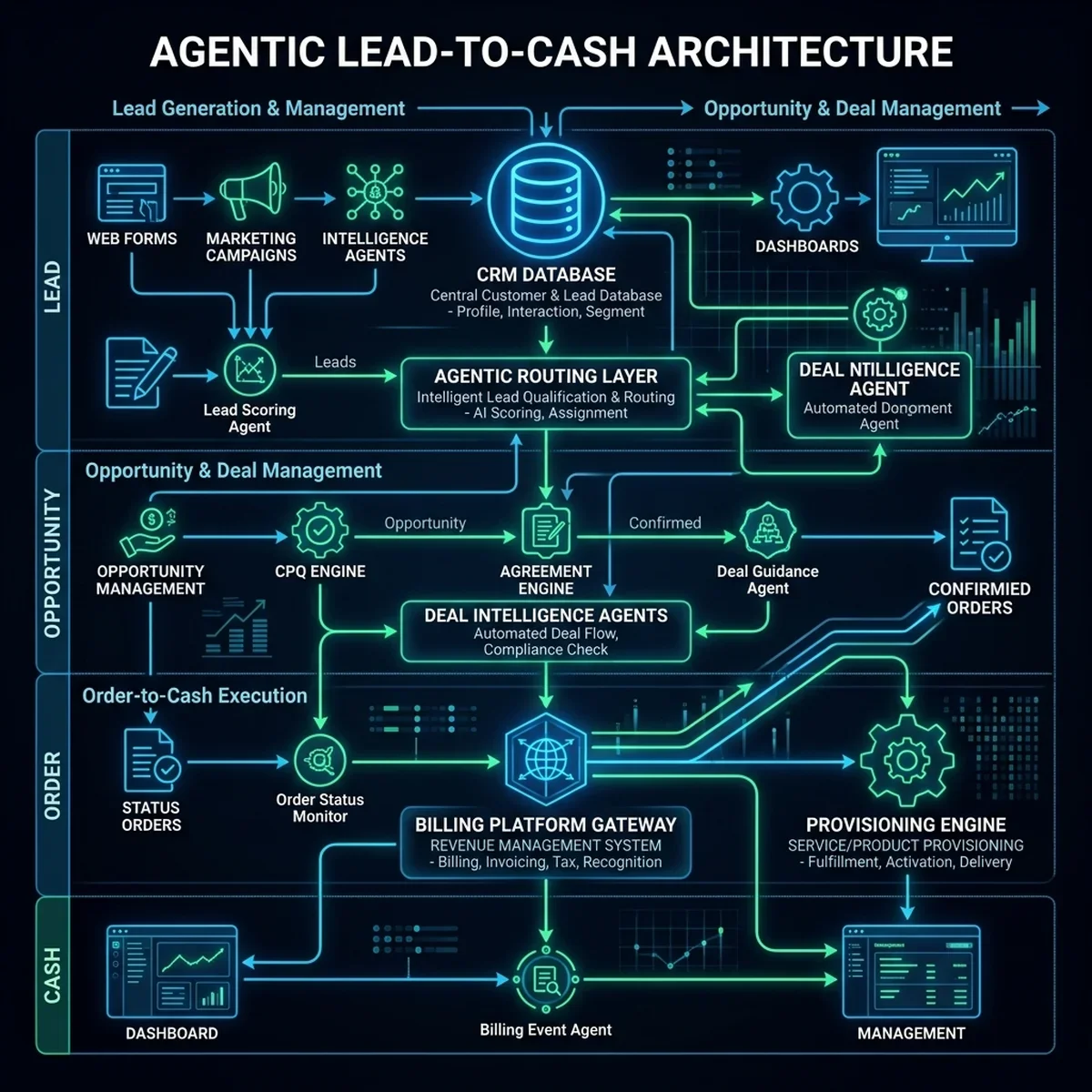
Technical Flow: From Lead Ingestion to Automated Tenant Provisioning
The integration pipeline operates as a continuous event loop, processing data from initial lead creation through cloud provisioning:
[Salesforce Lead Created] ──> (Research Enrichment) ──> [Sales Pipeline Stage] ──> (Audit Safeguard Gate) ──> [Stripe Sync & Provisioning]- Lead Ingest: The Sales Research Agent identifies new Salesforce leads via change data capture (CDC) webhooks.
- Account Enrichment: The agent queries external APIs, formats target data (employee size, revenue, tech stack), and updates Salesforce records.
- Quote Audit: When a representative builds a quote, the Deal Desk Agent audits the proposed contract terms against active discounting models.
- Billing Dispatch: Once marked Closed-Won, the Billing Agent creates the subscription schema in Stripe and emails the invoice.
- Infrastructure Deploy: The Tenant Agent receives the payment confirmation hook, executes AWS provisioning scripts, and dispatches credential details to the client.
Operations Dashboards & Real-Time Auditing
The following interfaces represent the administrative screens of the B2B SaaS RevOps engine, providing operations teams and billing managers with clean workspaces to track automated deal progression.
1. Deal Desk Pipeline
The Deal Desk Dashboard displays active Salesforce opportunities, quote audit check results, and manager approval queues.
| Interface Component | System Screenshot | Core Functional Insight |
|---|---|---|
| Deal Desk Pipeline | 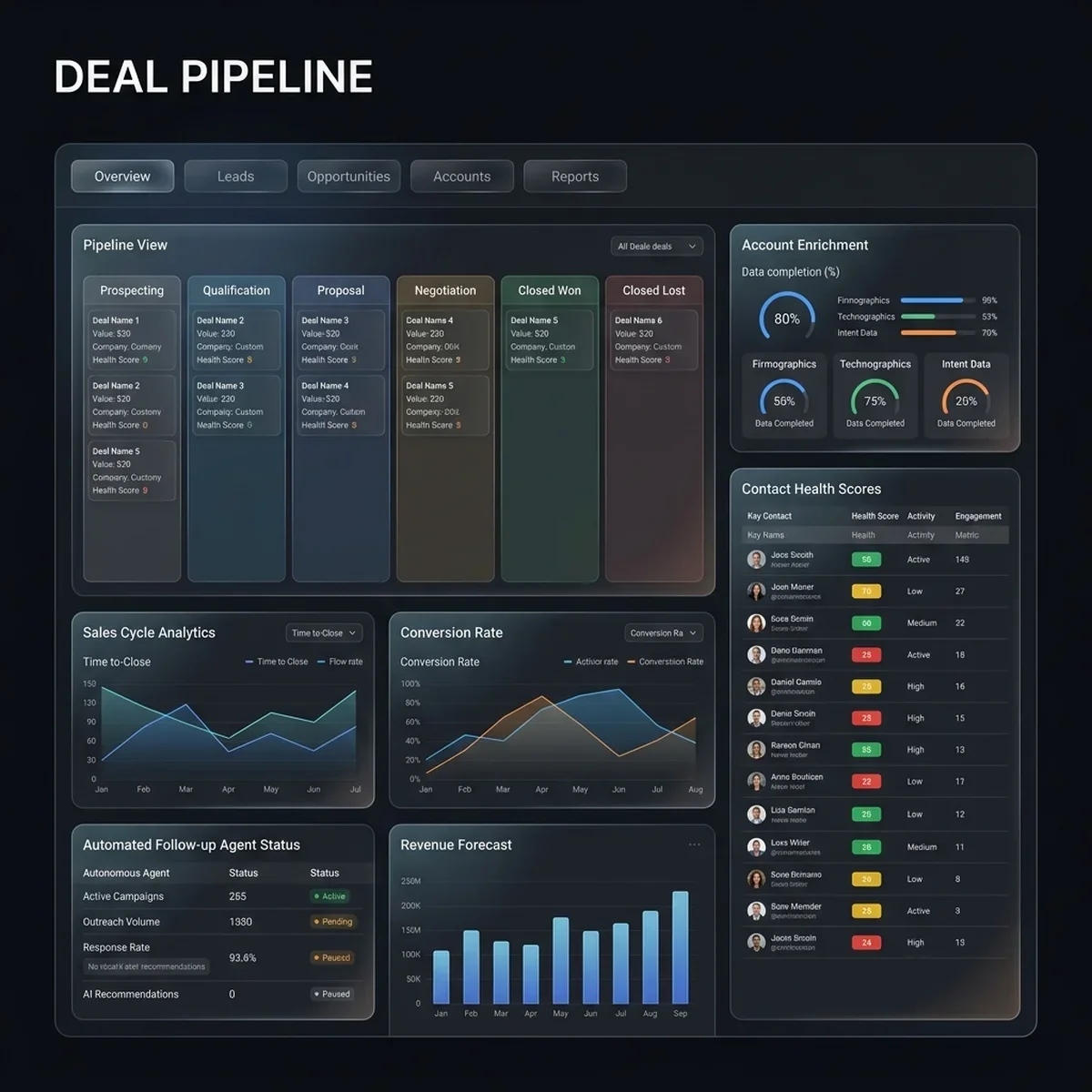 | Tracks quote validation status in real time, alerting operations teams to unauthorized discounts or tier conflicts. |
2. Billing Queue & Provisioning Logs
The Billing console coordinates invoice dispatches and transaction syncs, while the Provisioning telemetry monitor displays cloud infrastructure provisioning logs.
| Interface Component | System Screenshot | Core Functional Insight |
|---|---|---|
| Billing Queue | 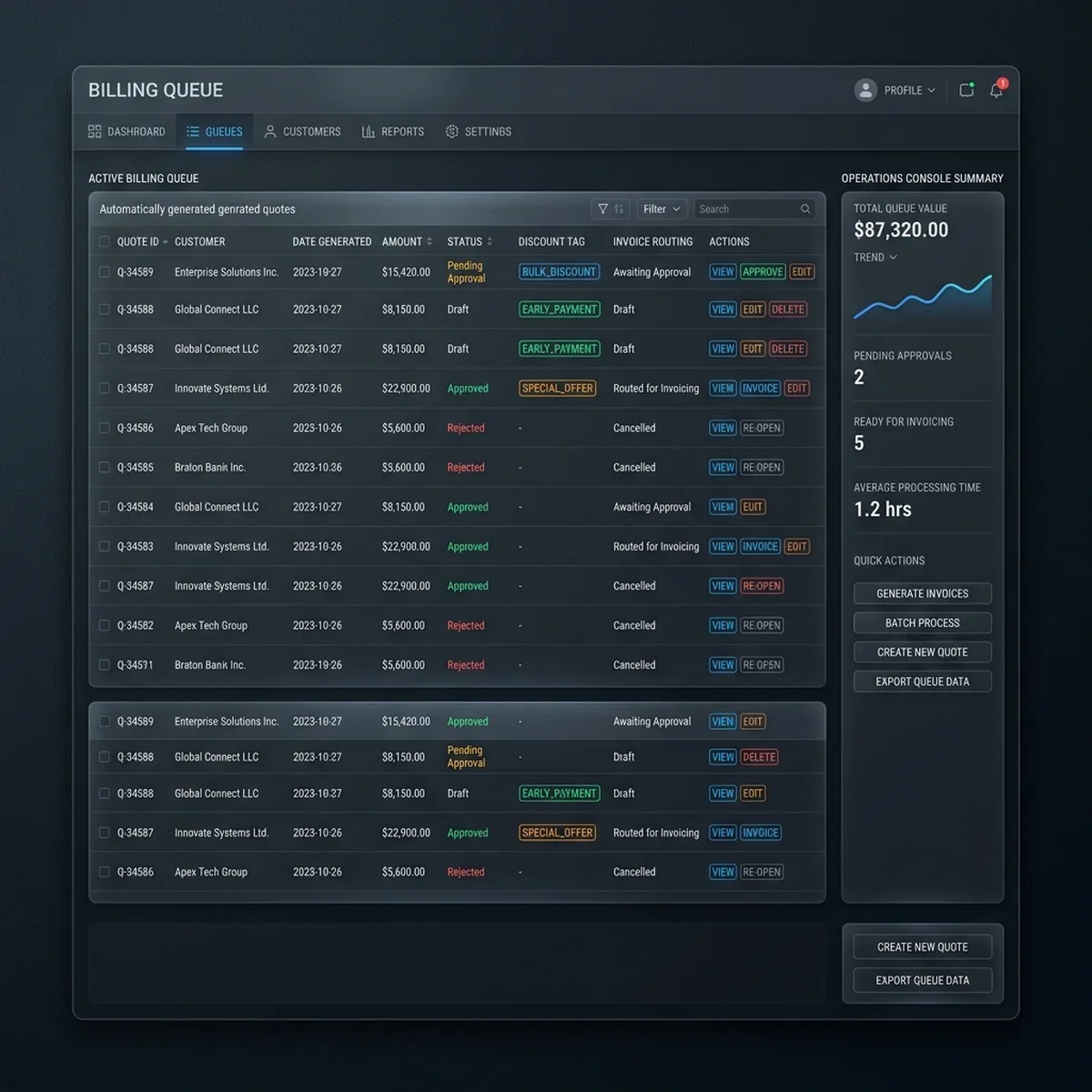 | Monitors subscription setups, billing dates, and invoices, flagging billing discrepancies before invoices are emailed. |
| Provisioning Logs | 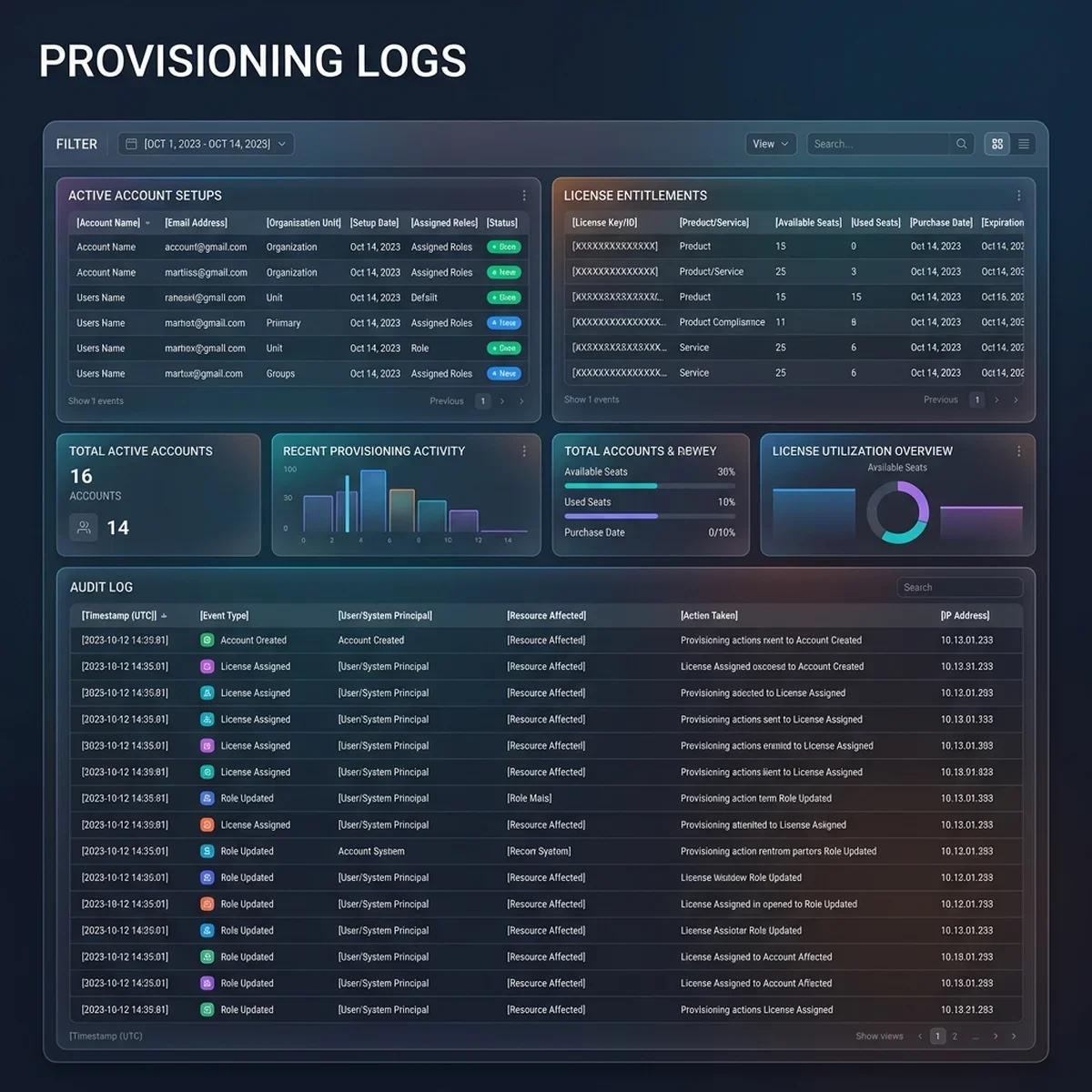 | Displays API calls for database creations, licensing configs, and single sign-on (SSO) setups. |
Detailed Tech Stack Blueprint
To ensure system reliability, scale, and integration security, the B2B SaaS RevOps engine is built on a modern enterprise stack:
Before vs After Transformation Analysis
The operational benefit of consolidating B2B revenue processes into a unified agentic pipeline is outlined in this comparative analysis:
Key Learnings & Operational Takeaways
- Agnostic Orchestrator Design: Don't build custom pipelines for individual API connectors. Use a central orchestrator linked to database records to ensure stable system integrations.
- Prioritize Real-Time Sync: Relying on periodic batch synchronizations creates data delay. Trigger agent actions immediately when transactions change in the CRM or billing portals.
- Automate Infrastructure Gateways: Build direct links between billing engines and cloud provisioning scripts. Automating database setups immediately after payment verification is the single best lever to accelerate cash capture.
Consulting Transformation & Strategic CTAs
Scaling SaaS operations requires clear data mapping, system integrations, and structured workflows. As a business-technology consultant, I partner with organizations to modernize their revenue pipelines and build integrated backend architectures:
- RevOps System Audits: We review your CRM databases, billing portals, and onboarding steps to identify bottlenecks and data leaks.
- Agentic Workflow Integrations: We design event-driven architectures to automate manual data syncs between sales and accounting.
- Onboarding and Provisioning Automation: We build secure cloud pipelines to automate account setup and license provisioning.
To read about how we've modernised enterprise systems, check our services at /services. If you'd like to schedule an architecture review or design a custom integration playbook, contact us directly at /contact.
Additionally, you can read our detailed guide on agentic CRM lead-to-cash workflows and learn more about scaling operations in our analysis of the Chief Agent Officer role.
Frequently Asked Questions
How does the Sales Research Agent ensure data accuracy?
The Sales Research Agent runs checks against three databases, scoring the consistency of employee counts and revenue numbers before writing updates to the CRM records.
Does the Deal Desk Auditor block sales representatives from making quotes?
The auditor doesn't block reps from drafting quotes. It checks active discount levels and flags quotes that violate margins, routing exceptions to manager queues for review.
How does the Billing Agent handle complex corporate payment terms?
The Billing Agent integrates with Stripe and Chargebee, converting Salesforce opportunity fields into pro-rated invoices, tax records, and multi-tier subscription schedules.
What occurs if AWS tenant provisioning fails during the onboarding loop?
If provisioning fails, the Orchestrator records the error code, pauses the workflow, and alerts the systems engineering team while maintaining the customer's payment status.
What is the typical timeline for implementing an automated RevOps engine?
Engines are deployed in three 4-week phases: Data Audits & Mapping (Phase 1), API & Event Stream Integration (Phase 2), and Agent Testing & Deployment (Phase 3).