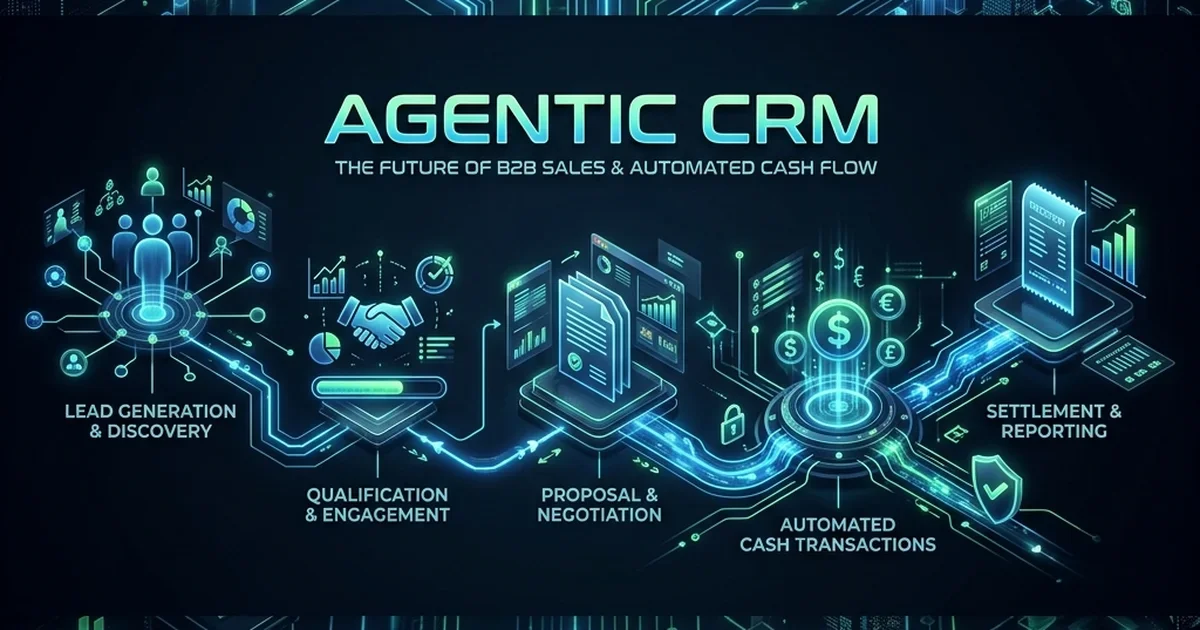
Agent Governance: How a Global Insurer Built a Registry and Cut Shadow AI Incidents by 78%
By Vatsal Shah · 2026-05-27 · Risk & Compliance Modernization
In highly regulated sectors like insurance, corporate governance and risk management are primary operational requirements. As organizations deploy generative AI tools, the risk of data leakage and compliance violations increases. When employees build custom chatbots and scripts without central IT oversight, companies face the challenge of Shadow AI 2.0.
Without centralized control and clear audit logs, companies risk sending sensitive customer records, policy details, and medical claims to public, ungoverned AI systems.
This case study documents the governance transformation of a global insurance provider. Facing an outbreak of 47 unregistered AI tools and rising security alerts, the risk team paused unapproved projects and ran a 30-day discovery sprint.
The company built a centralized AI Agent Registry and a Policy-as-Code Engine to manage the AI lifecycle. By setting up strict permissions and allowlists, the insurer reduced shadow AI incidents by 78%, cut compliance audit prep times from 6 weeks to 9 days, and established a clear path to scale agents safely.
This case study details how a global insurer identified 47 unregistered AI tools, established a secure Agent Registry, and deployed a Policy-as-Code Engine to audit data flows and ensure compliance with strict industry regulations.
Strategic Overview
Strategic Overview
- The Challenge: An insurance provider faced 47 unregistered, ungoverned AI tools across claims and underwriting departments, creating data leakage risks and compliance violations.
- The Solution: Deploying a centralized Agent Registry and Policy-as-Code Engine to enforce connector allowlists and stream compliance logs to the security team's SIEM system.
- The Outcome: Shadow AI incidents fell by 78%, data policy violations dropped from 23 to 5 monthly, and audit preparation time was reduced to 9 days.
The Pre-Implementation Crisis: 47 Unregistered Agent Tools and the Risk of Data Leakage
As generative AI tools became widely available, the insurer's employees quickly adopted them to automate administrative tasks. In claims processing and underwriting, team members created custom chatbot scripts and data lookups to speed up file reviews:
- Underwriting Teams: Uploaded detailed corporate balance sheets and property risk assessments to public AI sites to write policy summaries.
- Claims Adjusters: Copied sensitive patient medical files and injury reports into browser extensions to summarize claims.
- Operations Staff: Created custom Slack integrations that read internal emails and processed customer data through third-party models.
While these tools improved local productivity, they operated outside the control of the IT security team. Within a year, the company had 47 active, unregistered AI integrations running across departments, which created significant organizational risks:
1. Corporate Data Leakage
Security teams could not monitor where sensitive corporate and customer data was being sent. Several tools used public APIs that retained data for model training, raising serious concerns under GDPR and HIPAA regulations.
2. Lack of Access Control
The custom integrations bypassed standard Active Directory permissions. Anyone with the URL of a team chatbot could access and query database connections, raising the risk of unauthorized internal data sharing.
3. Audit Failures and Regulatory Exposure
When compliance auditors requested a list of all active AI models and their data handling logs, the company had no way to provide one. Preparing reports required manually auditing every employee's browser extensions and Slack channels.
As regulators introduced stricter AI oversight, the board intervened, demanding a complete reset of all AI initiatives and the deployment of a centralized governance framework.
       [ 47 UNREGISTERED AI TOOLS ]
  - Public API Access   - Medical Data Leak Risk
  - Silent Integrations  - No Access Auditing
               │
               v (Portfolio Audit & Reset)
     [ GOVERNANCE INVENTORY ]
               │
               v (Policy Engine Setup)
[ SECURE AGENT REGISTRY ]- Active Unregistered AI Integrations: 47 (Across claims, underwriting, and operations)
- Data Policy Violations: 23/Month (PII and corporate files sent to public models)
- Compliance Audit Prep Time: 6 Weeks (Time to compile model registers and logs by hand)
- Security Team Visibility: 12% (Estimated visibility into employee AI usage)
- Agent Policy Failures: 4.8% (Failed background checks on third-party API models)
The Governance Framework: Building the Agent Inventory and Policy-as-Code Engine
To establish control, the insurer paused all unapproved AI integrations and ran a 30-day discovery sprint to identify every active tool. The risk team set up three mandatory gates that every AI agent had to pass to be registered:
- Connector Governance: All API integrations must use approved, secure gateways—no direct, unencrypted connections to external databases allowed.
- Access Control: Users must authenticate through Single Sign-On (SSO) with defined role-based access control (RBAC) permissions.
- Audit Trail: Every request, prompt, and output must be logged in a read-only compliance database for regular auditing.
Using this checklist, the team retired 41 unapproved tools. They consolidated the remaining integrations into a unified Agent Governance Hub.
By replacing scattered custom scripts with a centralized registry, they provided the IT security team with complete visibility and control over the company's AI portfolio.
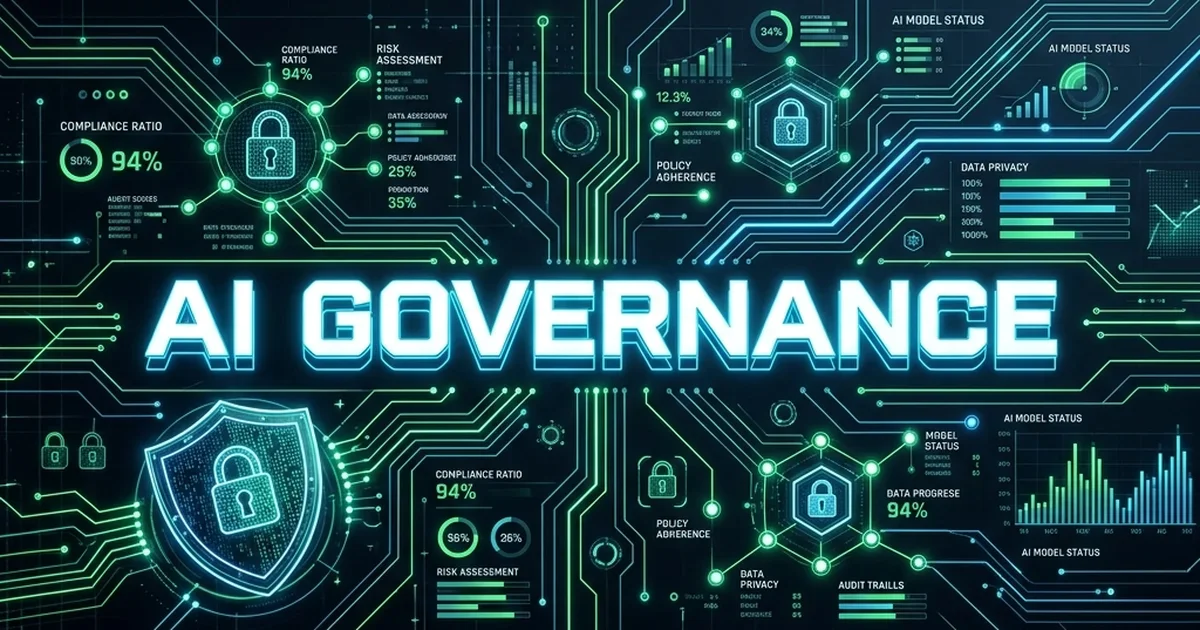
The Solution Architecture: A Governed Agent Lifecycle Hub
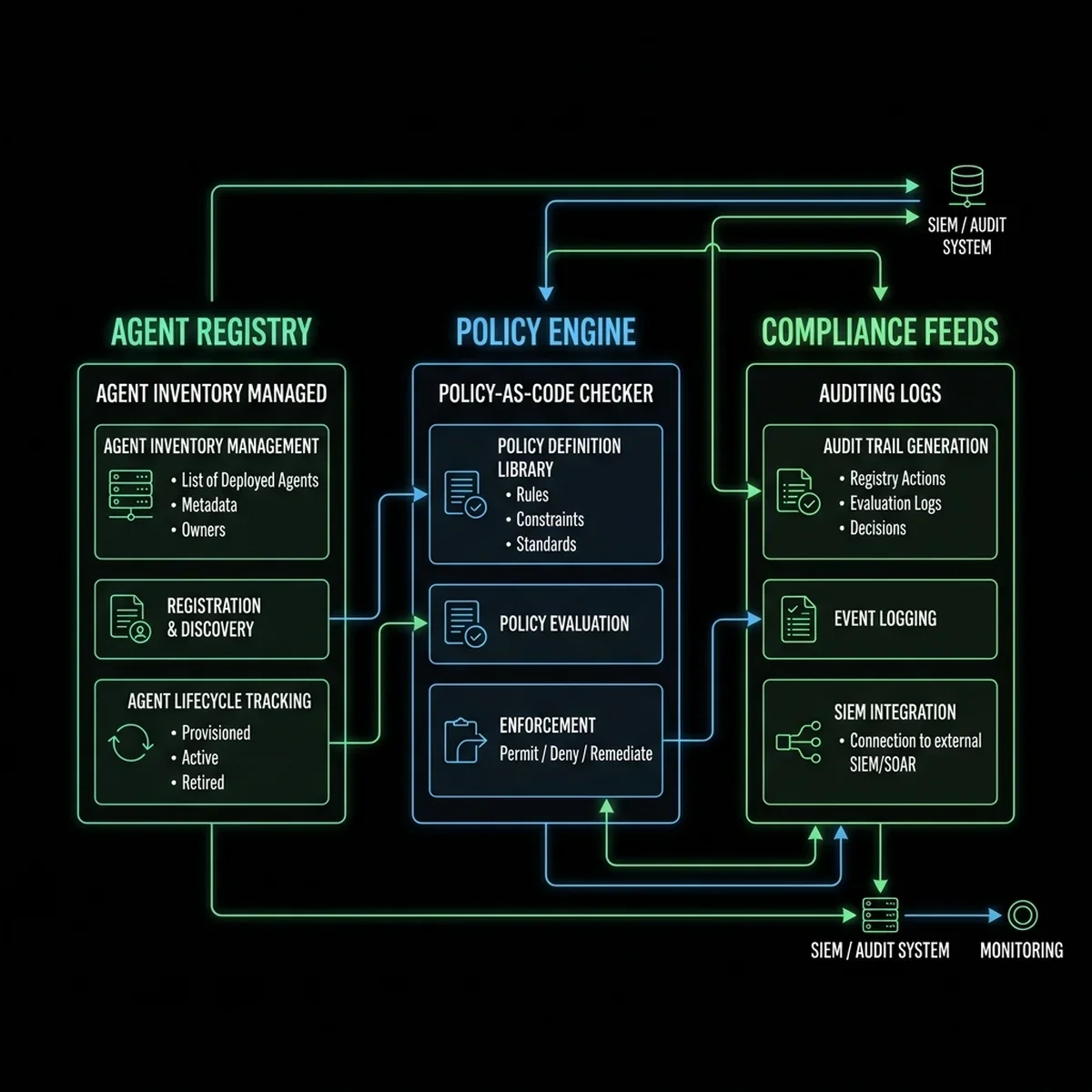
The platform is divided into three core technical modules to manage the lifecycle of active AI agents:
1. The Agent Registry (Inventory Management)
The Agent Registry serves as the database of record for all approved AI tools. It tracks each agent's owner, purpose, model provider, and risk classification tier (High, Medium, or Low), ensuring complete transparency.
2. The Policy-as-Code Engine (Validation & Gates)
The Policy-as-Code Engine evaluates every agent request against defined security rules. It acts as an automated gateway, checking connector allowlists, scanning for prompt injections, and verifying data sensitivity permissions before routing calls.
3. The Compliance Feed (Audit Logging)
The Compliance Feed records all system activity in a read-only PostgreSQL database. The feed streams transaction logs, API calls, and blocked actions directly to the security team's SIEM system for continuous compliance auditing.
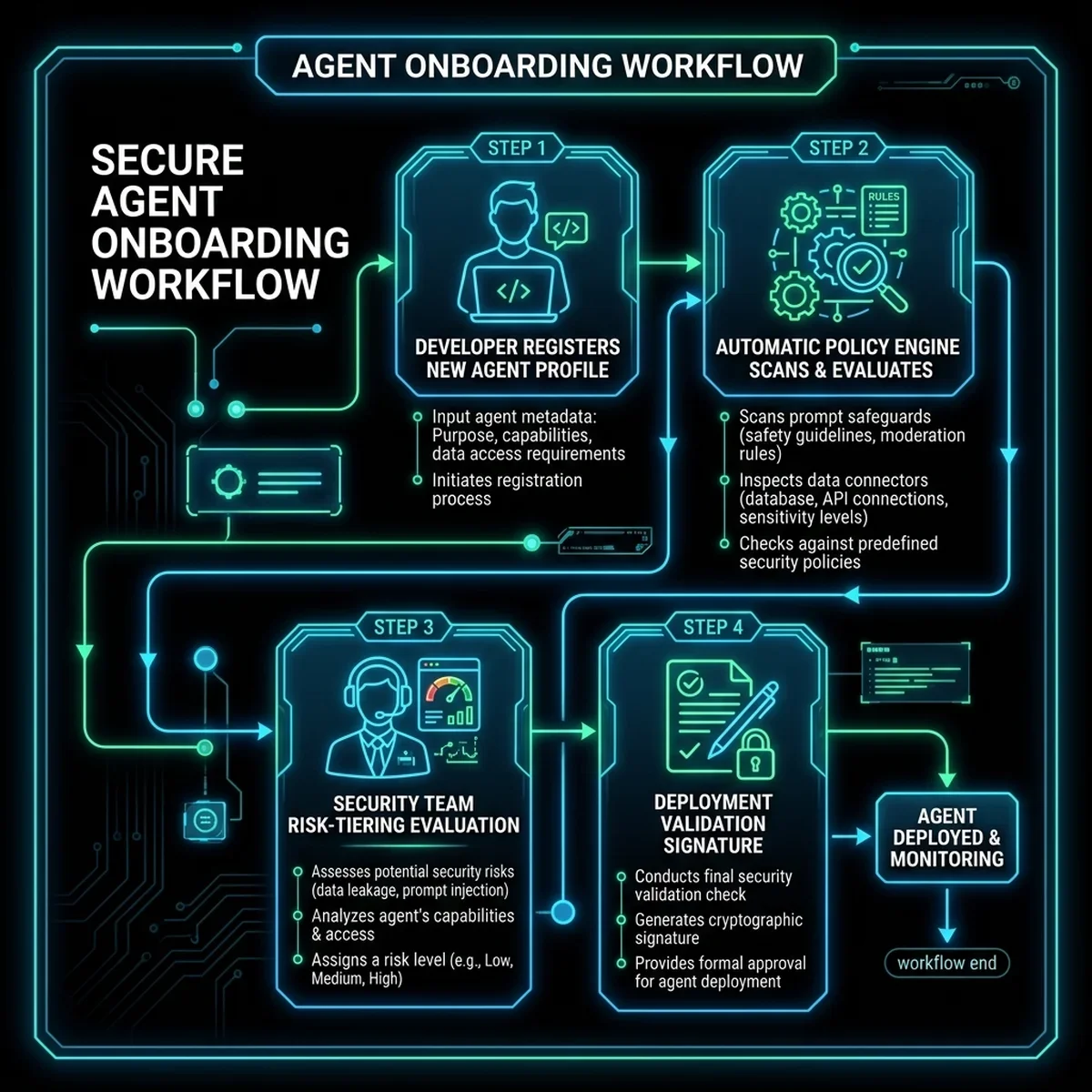
Technical Flow: Secure Agent Onboarding & Lifecycle Validation
To deploy a new AI agent, developers must follow a structured onboarding workflow managed by the governance registry:
[Agent Registration Request] ──> (Policy-as-Code Check) ──> [Risk-Tiering Review] ──> (Audit Logging Hook) ──> [Deployment Activation]- Onboarding Request: The developer registers the agent's target model, database connections, and business purpose in the registry.
- Policy Evaluation: The Policy-as-Code Engine automatically checks the agent's configurations against global rules, flaggin unapproved API endpoints.
- Risk Review: The security team conducts a manual review of high-risk agents (such as those handling customer data) to authorize credentials.
- Log Activation: The agent's activity logging hook is activated, and the verified profile is deployed to the production registry.
Operations Dashboards & Compliance Auditing
The following interfaces represent the administrative screens of the Agent Governance Hub, providing compliance officers and security teams with clean, brand-free workspaces to monitor AI activity.
1. Agent Inventory Registry
The main registry console displays all approved AI agents, their operational risk tiers, and active usage statistics.
| Interface Component | System Screenshot | Core Functional Insight |
|---|---|---|
| Agent Inventory | 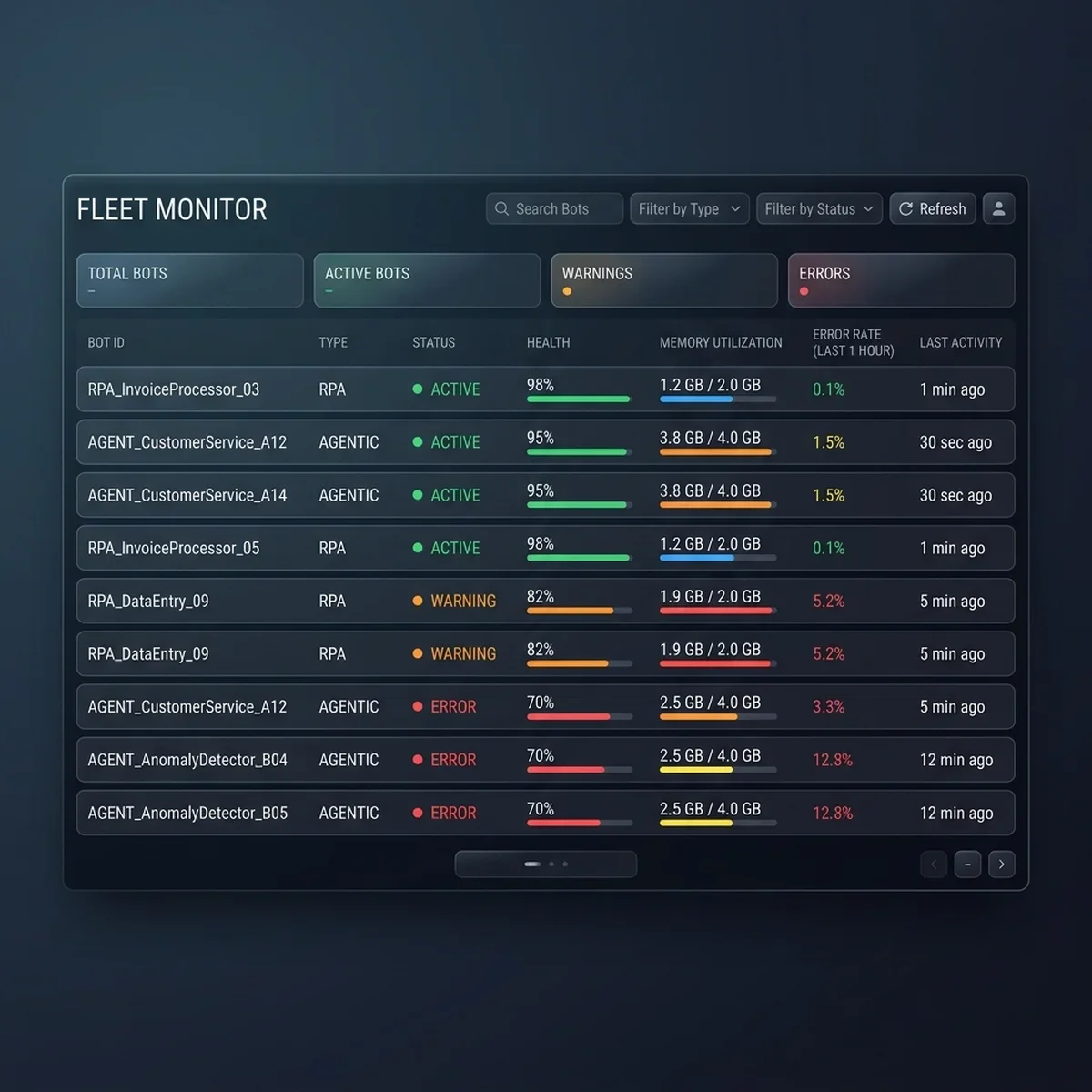 | Allows security administrators to monitor all active AI tools in one dashboard, tracking ownership and risk profiles. |
2. Policy Builder & Compliance Logging
The policy console allows administrators to build connector allowlists and risk rules, while the compliance monitor streams system activity logs.
| Interface Component | System Screenshot | Core Functional Insight |
|---|---|---|
| Policy Engine | 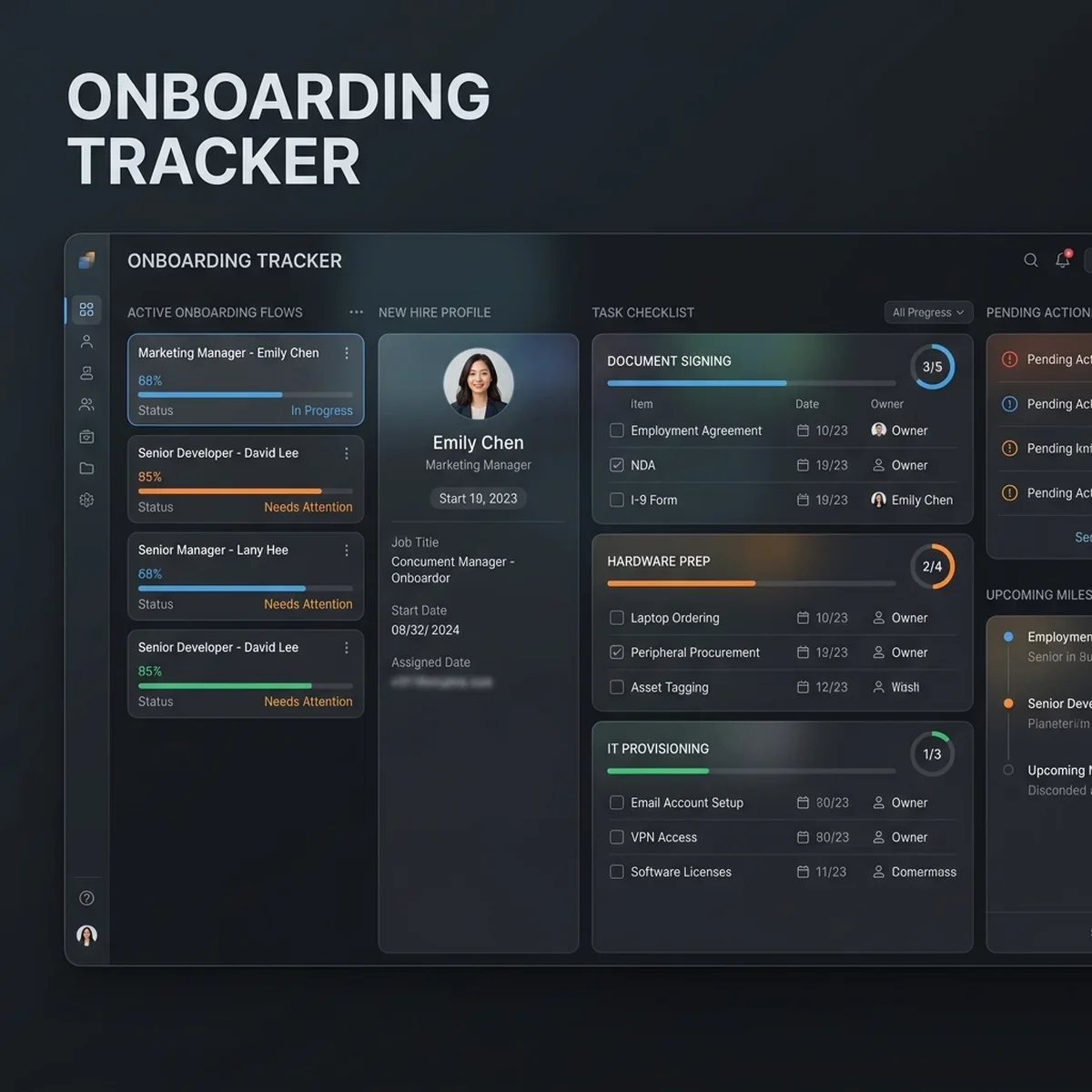 | Provides a rule configuration screen to define security policies, block unauthorized endpoints, and manage API keys. |
| Audit Feed | 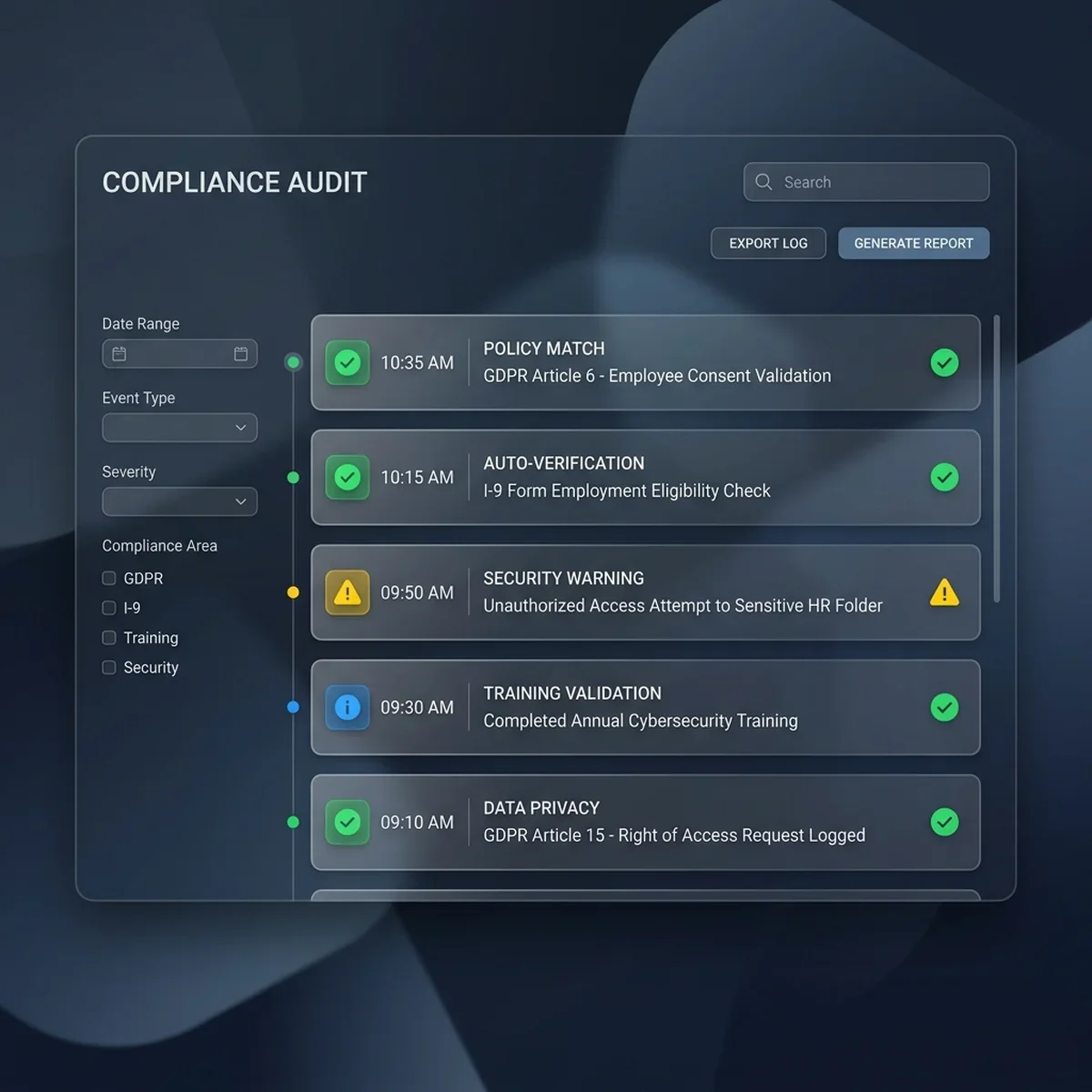 | Tracks every executed agent transaction, prompt, and output, providing a read-only audit log for regulatory compliance. |
Detailed Tech Stack Blueprint
To ensure reliability, security, and integration capabilities, the agent governance hub is built on a modern technology stack:
| System Layer | Selected Technology | Industrial Purpose & Scale Guidelines |
|---|---|---|
| Event Stream Broker | Apache Kafka | Logs agent activity events and streams metrics to SIEM systems. |
| Application Layer | TypeScript / Node.js | Hosts the microservice endpoints and integration hooks. |
| Policy Solver | Open Policy Agent (OPA) | Evaluates JSON-formatted request metadata against global security policies. |
| Database Registry | PostgreSQL | Stores employee profiles, active agent registers, and transaction histories. |
| API Gateway | Express.js | Coordinates webhooks and integrations with external model APIs. |
Before vs After Governance Transformation Analysis
The operational benefits of establishing a secure Agent Registry are highlighted in this comparative analysis:
| Performance Dimension | Pre-Governance Shadow AI | Governed Agent Hub |
|---|---|---|
| Inventory Visibility | Scattered browser extensions (12% visibility) | Centralized Agent Registry (100% visibility) |
| Policy Enforcement | Manual checks (23 violations/month) | Automated Policy-as-Code (5 violations/month) |
| Data Leakage Risk | Unencrypted external API connections | Encrypted gateways & approved connector lists |
| Audit Preparation | Manual tracking (avg 6-week turnaround) | Read-only compliance logs (avg 9-day turnaround) |
| Integration Security | User-managed OAuth profiles and credentials | Centralized credential vaults and IP restrictions |
Key Learnings & Operational Takeaways
- Establish an Inventory: You cannot govern what you cannot see. The first step in managing AI risk is conducting a thorough inventory sprint to register all active tools.
- Automate Policy Checks: Manual reviews are too slow. Build automated validation engines to inspect agent connections and enforce security rules at the API gateway.
- Log Everything: Ensure audit readiness by writing all agent interactions and data transfers to a secure, read-only compliance feed.
Consulting Transformation & Strategic CTAs
Scaling AI agents safely requires clear governance policies, system audits, and robust risk frameworks. As a business-technology consultant, I partner with organizations to build secure registries and design modern compliance platforms:
- AI Governance Assessments: We review your AI portfolios, evaluate compliance risks, and help you design a governance roadmap.
- Policy-as-Code Implementations: We build automated validation engines to check agent API calls and enforce security rules.
- Registry & Audit Logging: We deploy secure directories to track your active AI tools and stream compliance logs to your security dashboard.
To explore how these governance strategies can secure your team's operations, let's connect:
- Our Services: Learn about our custom policy and integration playbooks at /services.
- Schedule a Consultation: Reach out directly at /contact to book a review of your AI governance and design a roadmap.
Frequently Asked Questions
How did the insurer discover all 47 shadow AI integrations?
The risk team ran a network traffic audit and examined OAuth authorization logs, identifying active connections to external AI APIs and summarizing them in an inventory.
Does the Policy-as-Code Engine slow down agent response times?
No. The Policy-as-Code Engine uses high-performance evaluation algorithms that check JSON request metadata in under 15 milliseconds, ensuring security without affecting user experience.
How does the compliance database protect employee privacy?
To protect employee privacy, the system removes individual identifiers from compliance logs, restricting analysis to aggregated usage numbers and department-level summaries.
How does the system block unauthorized or unsafe prompt patterns?
The policy engine runs input validation filters that scan prompts for malicious patterns and injection attacks, blocking unsafe queries before they reach models.
What is the average timeline for implementing an AI governance hub?
Governance platforms are deployed in three 4-week phases: Inventory Audits & Registry Setup (Phase 1), Policy Engine & Gateway Configuration (Phase 2), and SIEM Log Integrations (Phase 3).