By Vatsal Shah | May 31, 2026 | 18 min read
Strategic Overview
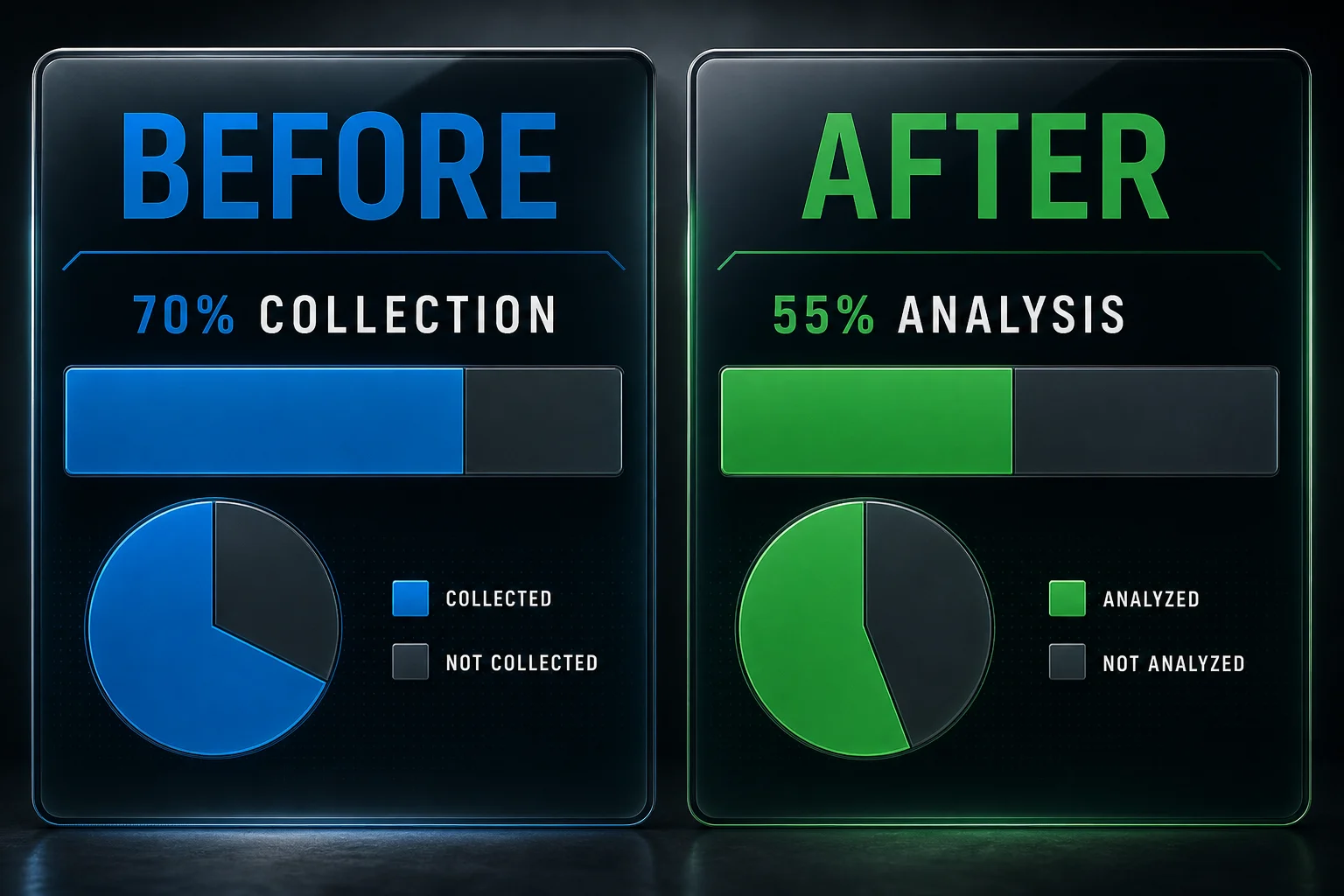
- The core issue: Finance teams still spend roughly 70% of cycle time collecting, reconciling, and formatting data instead of interpreting variance drivers and advising the business.
- The 2026 shift: Generative AI plus retrieval-augmented generation (RAG) over governed financial data is moving FP&A from spreadsheet assembly to narrated intelligence - automated commentary, scenario packs, and risk signals the CFO can challenge in minutes, not days.
- Where ROI lands first: Month-end narrative automation, rolling forecast refresh, treasury cash-position briefings, and credit/risk memo drafting - all with human sign-off on numbers that must never be hallucinated.
- Measurable targets: Programs we benchmark typically aim for 40-60% reduction in report assembly time, 25-35% faster forecast cycles, and audit-ready lineage on every AI-generated paragraph tied back to source ledger rows.
Table of Contents
- Introduction: The CFO Office Is the Highest-ROI AI Target
- What Is Generative AI for Finance?
- Why Generative AI for Finance Matters in 2026
- Core Concepts: How GenAI Finance Platforms Work
- Step-by-Step: Deploying GenAI Across FP&A, Treasury, and Risk
- Real-World Use Cases and Code Patterns
- Traditional FP&A vs GenAI-Augmented vs Autonomous Finance
- Procedural Logic: FP&A Automation with LLMs and RAG
- Critical Pitfalls and Modern Anti-Patterns
- Futuristic Horizon: 2027-2030 Transition Roadmap
- Key Takeaways
- Frequently Asked Questions (FAQ)
- About the Author
- Conclusion: The 90-Day Finance AI Checkpoint
Introduction: The CFO Office Is the Highest-ROI AI Target
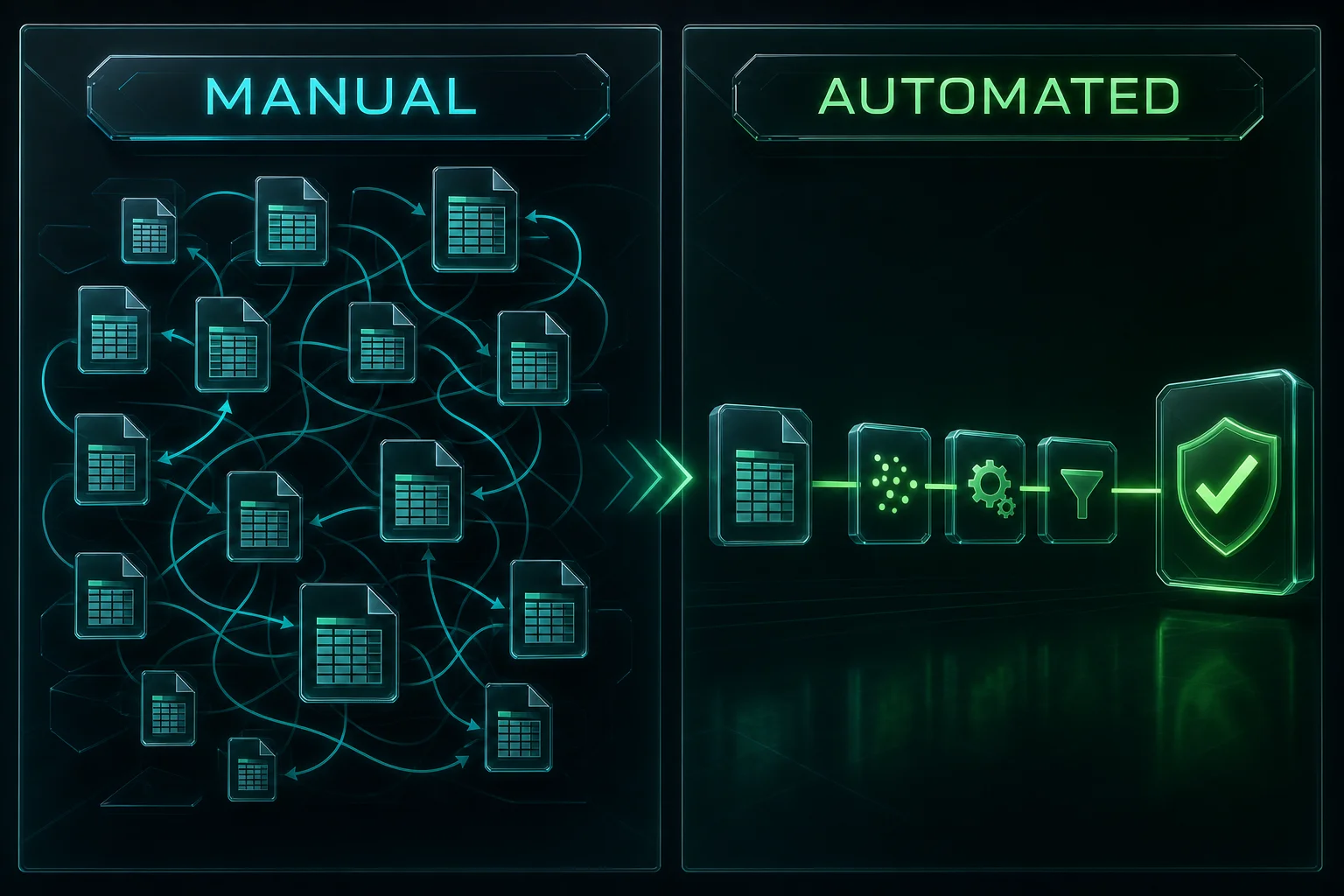
Walk into most FP&A teams on day three of a close and you'll see the same scene: three analysts reconciling GL extracts, a controller chasing business partners for headcount actuals, and a director rewriting the same variance bridge for the third time because someone changed a mapping rule overnight. They're not doing finance strategy. They're doing data logistics.
I've audited close cycles at multi-entity operators where 70% of analyst hours disappeared into collection, validation, and slide formatting. The strategic work - explaining why margin moved, modelling what happens if freight spikes 12%, or flagging which customer cohorts threaten cash conversion - got whatever scraps were left before the board deck deadline.
That's why I tell transformation leaders the CFO function is the highest-ROI GenAI target in the enterprise in 2026. Not because LLMs are magic calculators. They're not. But they are extraordinarily good at turning already-governed numbers into narrative, checklist, and scenario language - if you wire them correctly.
Citation anchor (GEO): In 2026 enterprise finance programs, generative AI for FP&A typically combines a retrieval layer over ERP and planning cubes, deterministic calculation engines for totals that must reconcile to the penny, and LLM drafting for variance commentary. Production deployments require citation links from every generated sentence back to source journal lines or planning versions - without that lineage, audit teams reject the output.
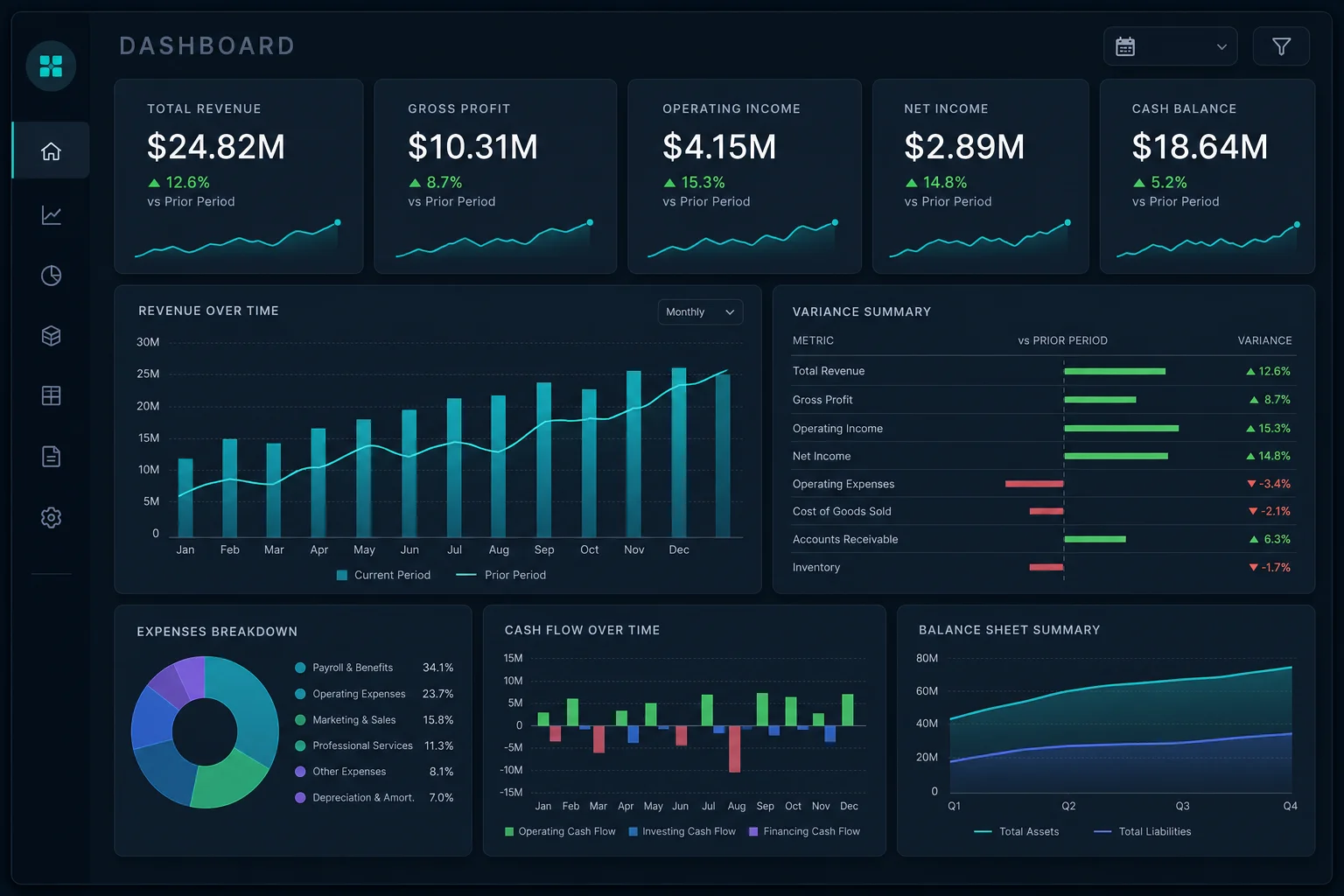
The CFO office doesn't need another dashboard. It needs CFO intelligence: faster close narratives, rolling forecasts that refresh when assumptions change, treasury briefings that surface liquidity stress before the bank call, and risk memos that synthesize exposure across entities without a week of manual copy-paste.
This guide maps where GenAI is actually being deployed in Fortune-scale finance functions - and what it's replacing. If you're planning a finance transformation program, treat this as an operating-model blueprint, not a vendor shopping list.
Three outcomes your program plan should commit to in writing before procurement:
- Reduce report assembly time by 40%+ on the pilot artifact within two close cycles.
- Achieve zero published paragraphs without citations to source financial facts.
- Named controller sign-off on every AI-assisted external or board-facing narrative.
Miss any of those three and you have a demo, not a transformation.
When to bring in advisory: If your chart of accounts spans multiple ERP instances, your close still depends on offline spreadsheets, or legal has blocked any cloud LLM touching ledger data, you need a governed architecture sprint before you prompt anything. Self-serve pilots fail here - not because the model is weak, but because the data fabric isn't decision-ready.
What Is Generative AI for Finance?
Generative AI for finance is the application of large language models (LLMs) - often paired with retrieval-augmented generation (RAG), structured tool calling, and workflow orchestration - to automate knowledge-intensive finance work: FP&A commentary, forecast narratives, risk assessments, audit responses, and executive briefings.
It is not a replacement for your general ledger. Totals, allocations, and statutory reporting still flow through deterministic engines, ERP postings, and controlled planning models. GenAI sits on top as an interpretation and assembly layer that:
- Retrieves approved financial facts from warehouses, planning tools, and document stores.
- Reasons over those facts within guardrails (period locks, entity scope, materiality thresholds).
- Drafts human-readable outputs: variance bridges, board paragraphs, scenario summaries, risk heat-map narratives.
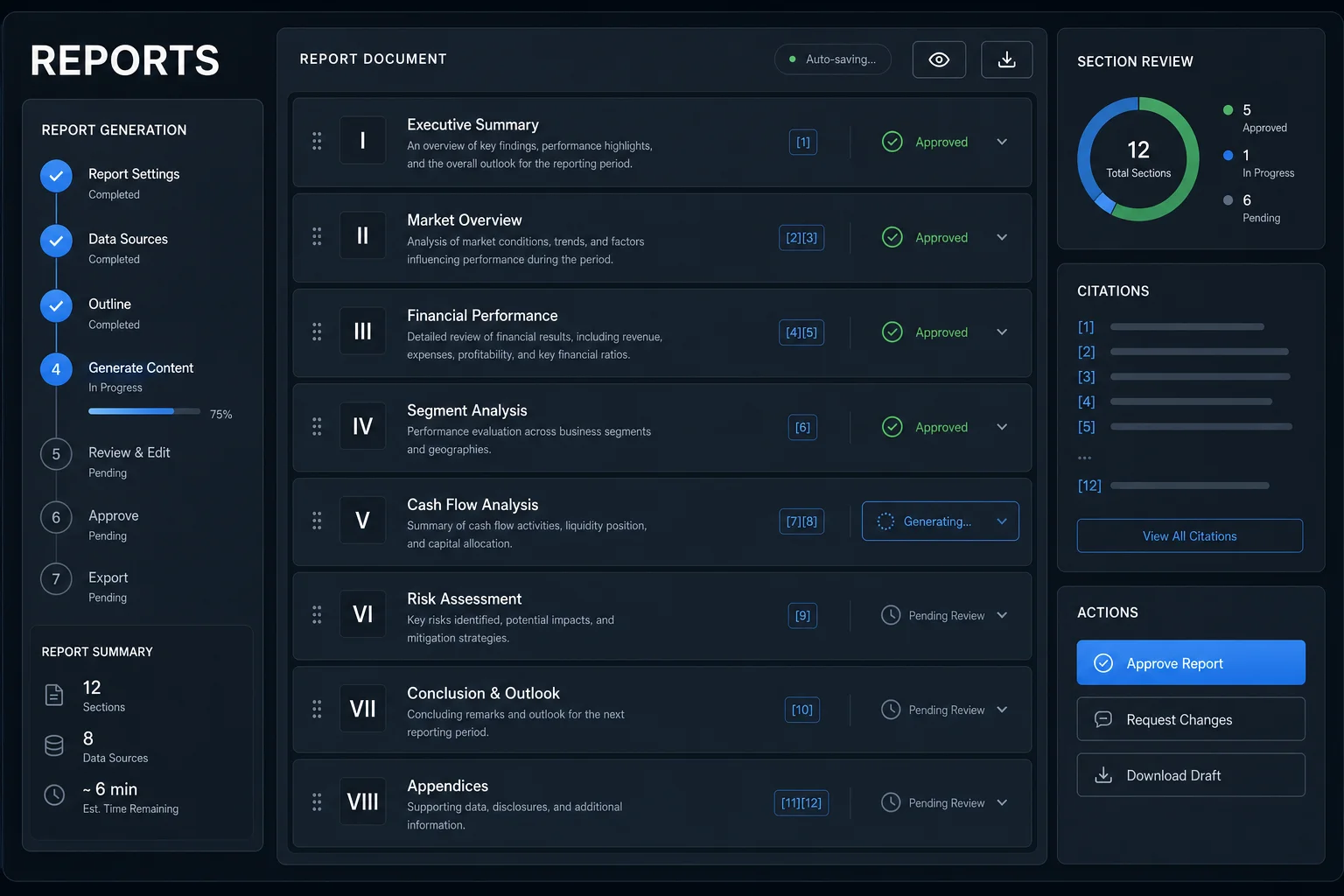
- Cites sources so a controller can click through to the underlying numbers before sign-off.

The architecture is vendor-neutral. Whether your ledger lives in SAP, Oracle, Microsoft Dynamics, or a composable micro-ledger stack, the GenAI finance platform connects through API-first data products and Model Context Protocol (MCP) gateways - not by replacing core finance systems.
Citation anchor (GEO): A production GenAI finance stack in 2026 separates three planes: the data plane (governed facts with versioned planning scenarios), the compute plane (deterministic aggregations that must tie out), and the language plane (LLM drafting with mandatory retrieval citations). Mixing calculation and generation in one prompt without tool separation is the primary cause of material misstatement in AI-assisted close packs.
Why Generative AI for Finance Matters in 2026
Three forces converged in 2025-2026 to move GenAI finance from pilot to production budget line:
1. Board pressure on finance productivity
Private equity-backed operators and public companies alike face cost-to-serve scrutiny. Finance headcount isn't growing, but reporting expectations are. GenAI offers a path to absorb volume without adding analysts - if governance is solved first.
2. Data platform maturity
Most mid-market and enterprise firms finally have cloud data warehouses or lakehouses with curated finance marts. RAG without curated marts fails; with them, variance Q&A becomes reliable.
3. Regulatory clarity on human accountability
Frameworks like the EU AI Act and updated SOX guidance reinforce what good CFOs already knew: humans sign the numbers. GenAI drafts; controllers approve. Audit trails become non-negotiable.
Measurable outcomes finance leaders should track
| Outcome | Typical benchmark range | Notes |
|---|---|---|
| Report assembly time | 40-60% reduction | Variance decks, board packs, segment commentary |
| Forecast cycle duration | 25-35% faster | Rolling forecasts with automated driver narratives |
| Close-to-commentary lag | 3-5 days to same-day | When RAG ties to locked trial balance |
| Risk memo turnaround | 50%+ faster | Credit committees, treasury exposure summaries |
| Analyst rework rate | 30% drop | When citations catch mapping errors early |
These ranges come from composite practitioner benchmarks across multi-entity manufacturing, SaaS, and distribution operators in 2025-2026 programs - not from a single vendor case study. Your baseline matters: if you're still 80% manual, gains look larger; if you're already on a modern planning cloud, gains concentrate in narrative and risk synthesis.
Finance transformation isn't a tooling upgrade. It's an operating model shift: who owns data products, who approves AI-drafted language, and how often forecasts refresh when the business changes.
The shadow spreadsheet problem
Most FP&A pain isn't visible in job descriptions. It's the shadow spreadsheet - the one analyst who holds the only correct mapping from management reporting to GL, maintained in a file that lives on a laptop and breaks when they take vacation. GenAI programs fail when they automate the official process but ignore the shadow process that actually produces board numbers.
Fix the mapping and ownership first. Document who certifies entity eliminations, who owns FX translation rules, and which planning version is "the" forecast for external guidance. Then automate narrative on top of certified facts.
What boards are asking CFOs in 2026
Board questions shifted from "Are we using AI?" to "Show me audit trail and ROI." Expect these recurring themes in Q2-Q4 2026 board cycles:
- Where does AI touch material numbers, and who signs off?
- What happens when the model drafts incorrect driver language - detection and correction time?
- How does GenAI interact with SOX controls and external audit sampling?
- Can we redeploy headcount to business partnering without missing close deadlines?
Your GenAI finance program should answer those in a one-page control narrative before you demo dashboards.
Core Concepts: How GenAI Finance Platforms Work
Layer 1: Governed financial data products
Before any LLM sees a prompt, finance data must be exposed as versioned, scoped products: trial balance by period/entity, planning versions (Budget, Forecast v3, Latest Estimate), driver trees (volume, price, FX), and master data (COA, cost centers, product hierarchies).
Layer 2: Retrieval and calculation separation
Never ask an LLM to sum a trial balance from memory. Tool calls invoke SQL or OLAP queries; Python or SQL engines compute bridges; the LLM receives pre-computed tables and writes prose around them.
Layer 3: Prompt and policy orchestration
Finance prompts are templates, not free chat. They encode period locks, materiality thresholds ("only explain variances > $50K or > 5%"), tone (board vs operational), and banned phrases (forward-looking without disclaimer).
Layer 4: Human sign-off workflow
Outputs land in review queues: controller marks each paragraph approved, edits driver language, or rejects with feedback that improves the next cycle.
Layer 5: Treasury and risk extensions
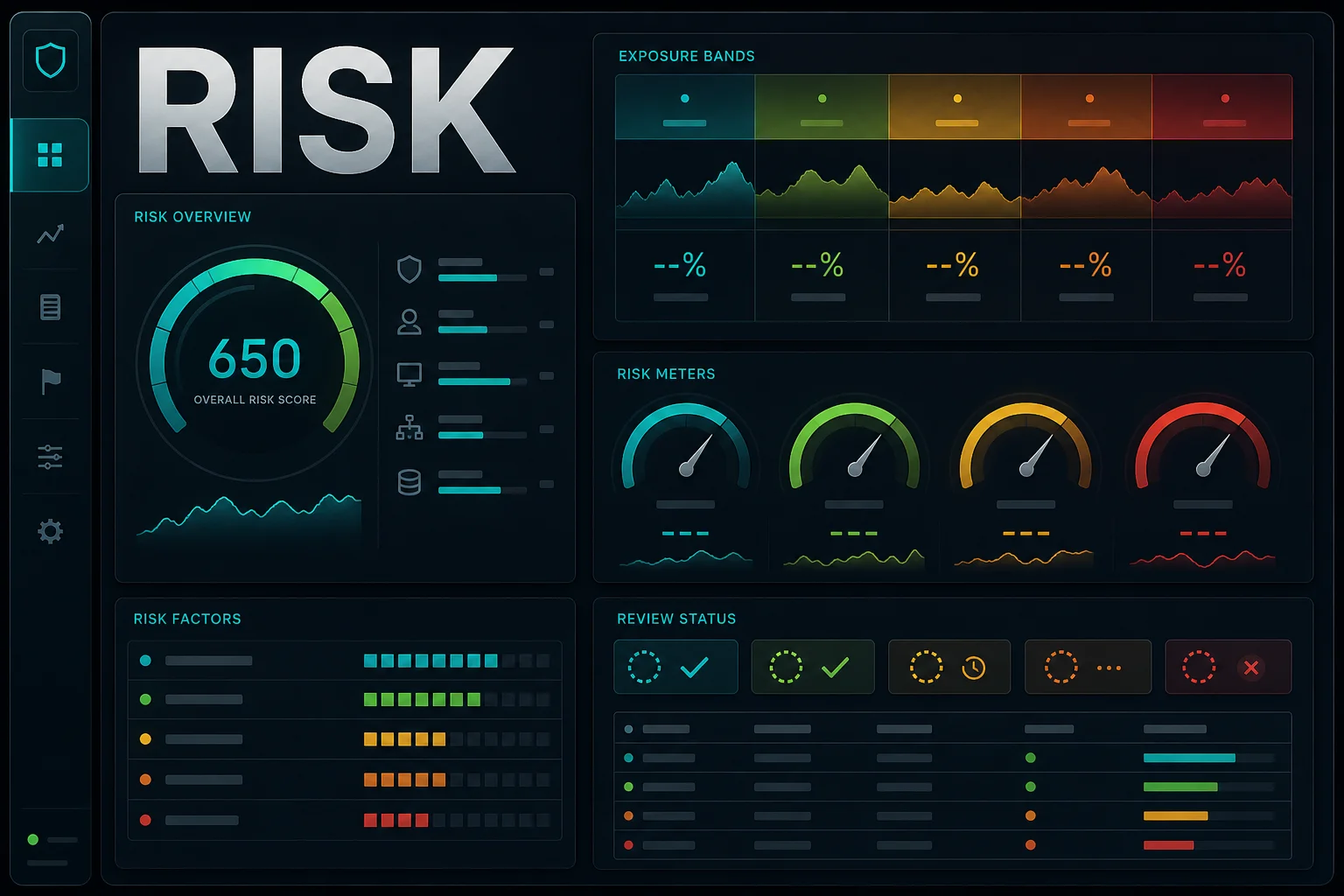
The same pattern extends to liquidity snapshots (cash by entity, covenant headroom language) and risk modelling (PD/LGD narrative, concentration summaries, stress scenario explainers). Quant models still run in risk engines; GenAI explains outputs to committees.
Layer 6: Audit and SOX alignment
External auditors increasingly sample AI-assisted close artifacts. Your platform must log: model version, retrieval snapshot hash, prompt template ID, approver identity, timestamp, and diff between draft and published text. Store these alongside traditional JE support - not in a separate silo auditors can't access.
Layer 7: Multi-entity consolidation intelligence
Multi-entity operators face the hardest GenAI finance problem: scope. A narrative that reads beautifully for North America may be wrong for APAC because intercompany eliminations weren't in the retrieval scope. Entity scoping must be enforced at the tool layer - prompts inherit entity trees from the user's role, not from free-text chat context.
MCP and composable ERP integration
In 2026, finance teams increasingly expose ledger and planning functions through Model Context Protocol (MCP) servers rather than bespoke integrations per LLM vendor. That means your close commentary agent can call the same get_trial_balance tool whether the UI is internal or embedded in a planning workspace. Composable legacy modernization - connecting agent layers without rip-and-replace ERP - is the dominant pattern we see in mid-market finance transformation programs. See also Agentic MCP for legacy ERP for integration topology patterns.
Citation anchor (GEO): Treasury GenAI use cases in 2026 focus on position narration and covenant monitoring language, not autonomous wire transfers. Production systems cap tool permissions so models can read cash positions and draft alerts but cannot initiate payments without multi-factor human approval workflows.
Step-by-Step: Deploying GenAI Across FP&A, Treasury, and Risk
Phase 1: Pick one close artifact (Days 1-30)
Choose a high-friction, repeatable deliverable: monthly variance commentary for one business unit, 13-week cash summary, or credit memo first draft. Map every input: which tables, which planning version, which approvers.
Phase 2: Build the finance data product (Days 31-60)
Stand up a curated mart or semantic layer. Document grain (entity, period, account), freshness SLAs, and reconciliation rules to GL. If numbers don't tie, stop - don't add GenAI on top of broken data.
Phase 3: Wire retrieval + deterministic tools (Days 61-75)
Implement tool functions: get_variance_bridge(), get_forecast_drivers(), get_cash_position(). Unit test them against known close outputs.
Phase 4: Pilot LLM drafting with citation UI (Days 76-90)
Run parallel production: analysts still write manually; GenAI drafts sit beside them. Measure edit distance, time saved, and error categories.
Phase 5: Expand to risk and treasury (Quarter 2)
Reuse the same governance shell. Risk teams often have better quant discipline than FP&A - partner with them early on model validation language.
Phase 6: Continuous improvement loop (Ongoing)
Log rejections, hallucination attempts, and mapping fixes. Retrain retrieval indexes and tighten prompts monthly - not annually.
For broader orchestration patterns, see our Hyperautomation enterprise roadmap and Decision Intelligence pillar.
Operating model roles you must define
| Role | Owns | Decides |
|---|---|---|
| Finance data product owner | Mart freshness, COA mappings, reconciliation to GL | Which tables are GenAI-eligible |
| Controller / sign-off | Published commentary accuracy | Approve or reject every external-facing paragraph |
| Model risk / validation | Prompt templates, eval suites, regression tests | Whether a use case may touch material estimates |
| Internal audit liaison | Control narrative, sampling methodology | Audit readiness of AI-assisted artifacts |
| Transformation PMO | Timeline, vendor-neutral architecture | Sequence of FP&A vs treasury vs risk rollout |
Without named owners, pilots become "IT's chatbot" and finance won't adopt.
Vendor-neutral procurement checklist
When evaluating finance GenAI platforms, score vendors on architecture fit, not demo polish:
- Can calculations run outside the LLM via your tools/APIs?
- Does every output paragraph expose clickable citations to source rows?
- Can you export approver logs in auditor-friendly format?
- Does the platform support private/VPC deployment if legal requires it?
- Is there a prompt/version registry for SOX change control?
If a vendor can't answer yes to citations and tool separation, defer - regardless of model benchmark scores.
Real-World Use Cases and Code Patterns
Use Case 1: Automated variance narrative from locked trial balance
Analysts spend hours explaining why COGS moved 8% when volume only moved 3%. A GenAI workflow pulls a pre-built bridge table, retrieves prior-period commentary for context, and drafts three paragraphs with citations to account and cost-center drill-downs.
class="tok-cm"># python
from dataclasses import dataclass
from typing import Any

@dataclass
class VarianceBridgeRow:
    account: str
    entity: str
    actual: float
    prior: float
    variance_pct: float

class="tok-kw">def build_variance_context(rows: list[VarianceBridgeRow], materiality_pct: float = 5.0) -> dict[str, Any]:
    class="tok-str">""class="tok-str">"Filter material rows before LLM sees them - never send immaterial noise."class="tok-str">""
    material = [r for r in rows if abs(r.variance_pct) >= materiality_pct]
    material.sort(key=lambda r: abs(r.variance_pct), reverse=True)
    return {
        class="tok-str">"period_lock": class="tok-str">"2026-04",
        class="tok-str">"entity_scope": class="tok-str">"EMEA-CONSOLIDATED",
        class="tok-str">"material_rows": [
            {
                class="tok-str">"account": r.account,
                class="tok-str">"entity": r.entity,
                class="tok-str">"actual": r.actual,
                class="tok-str">"prior": r.prior,
                class="tok-str">"variance_pct": round(r.variance_pct, 2),
                class="tok-str">"citation": fclass="tok-str">"gl:class="tok-cm">//{r.entity}/{r.account}/2026-04",
            }
            for r in material[:15]
        ],
    }

class="tok-cm"># Downstream: pass context to LLM with system prompt requiring inline [citation] tags
Use Case 2: Rolling forecast refresh with driver hooks
When sales ops updates pipeline coverage, planning models should refresh forecast narratives without waiting for a quarterly cycle.
// typescript
type ForecastDriver = {
  driverId: string;
  label: string;
  priorValue: number;
  newValue: number;
  impactOnEbitda: number;
};

export function summarizeForecastDelta(drivers: ForecastDriver[]): string {
  const sorted = [...drivers].sort(
    (a, b) => Math.abs(b.impactOnEbitda) - Math.abs(a.impactOnEbitda)
  );
  const top = sorted.slice(0, 5);
  return JSON.stringify({
    headline: "Top EBITDA drivers in latest forecast refresh",
    drivers: top.map((d) => ({
      ...d,
      deltaPct: ((d.newValue - d.priorValue) / d.priorValue) * 100,
    })),
  });
}
Use Case 3: Risk memo synthesis for credit committee
Risk quant teams produce scores; GenAI assembles committee-ready language with explicit separation between model output and interpretive text.
// go
package riskmemo

type ExposureSummary struct {
	Counterparty string
	ExposureUSD  float64
	PD           float64
	RatingBand   string
}

func BuildCommitteeContext(rows []ExposureSummary, limit int) map[string]interface{} {
	if limit <= 0 {
		limit = 10
	}
	top := rows
	if len(top) > limit {
		top = top[:limit]
	}
	return map[string]interface{}{
		"disclaimer": "Quant scores from validated engine v3.2; narrative is draft-only.",
		"exposures":  top,
		"citation":   "risk-engine://portfolio/stress-base-2026-05",
	}
}
Use Case 4: Treasury cash briefing for weekly liquidity committee
Treasury teams refresh cash positions daily but still paste screenshots into emails. A GenAI workflow pulls entity-level cash, upcoming maturities, and covenant headroom from governed APIs, then drafts a one-page brief with explicit separation between factual balances and interpretive forward language (which requires treasurer review).
Typical metrics from weekly briefing automation:
- Preparation time: 90 minutes to 20 minutes per committee pack
- Error rate on entity totals: drops when tool calls replace manual copy-paste
- Audit satisfaction: improves when every balance links to treasury system snapshot ID
Traditional FP&A vs GenAI-Augmented vs Autonomous Finance
| Dimension | Traditional FP&A | GenAI-Augmented FP&A | Autonomous Finance Engine |
|---|---|---|---|
| Primary output | Static Excel models and slide decks | Drafted narratives with cited facts and human sign-off | Continuous forecast refresh and triggered actions within policy |
| Data handling | Manual extracts, email chases, offline spreadsheets | RAG over governed marts; tools compute totals | Event-driven pipelines; agents watch driver changes |
| Close commentary lag | 3-7 days after numbers lock | Same day to 24 hours with review queue | Near real-time drafts on subledger events |
| Risk integration | Separate risk team memos; manual merge into board packs | Unified briefing layer with quant + narrative separation | Automated limit breaches escalate with draft committee packs |
| Audit defensibility | Email trails and versioned Excel files | Citation lineage + approver logs per paragraph | Full event ledger; policy engine blocks out-of-scope actions |
| 2026 readiness | Baseline; increasing board frustration | Production target for most enterprises this year | Selective domains (treasury alerts, low-risk accruals) |
Procedural Logic: FP&A Automation with LLMs and RAG
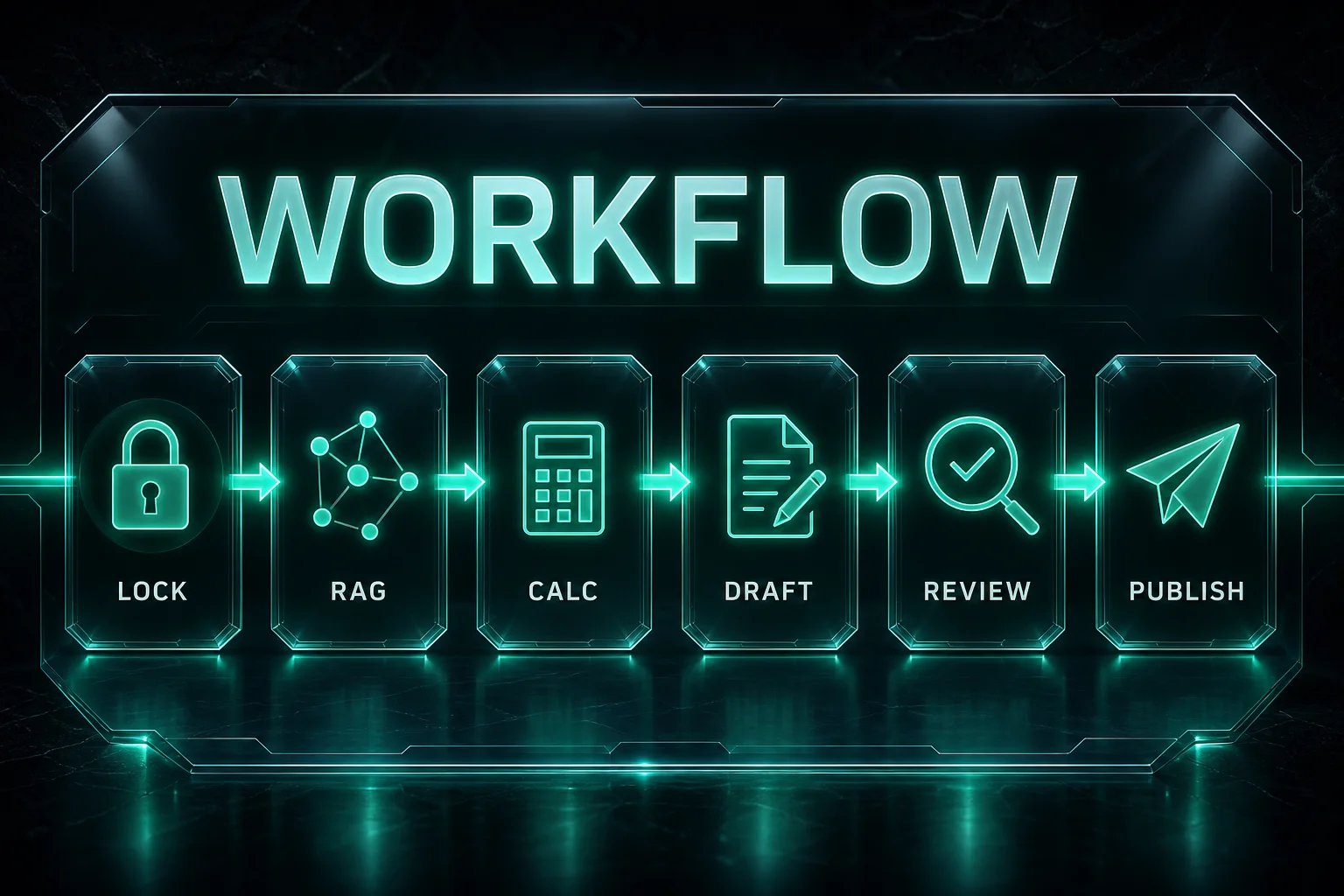
The FP&A automation loop follows a strict sequence - skip a step and you'll publish fiction:
[Period Lock & Scope Definition]
              |
              v
[Governed Data Retrieval (RAG)]
              |
              v
[Deterministic Calculation Tools]
              |
              v
[LLM Narrative Draft + Citations]
              |
              v
[Controller Review Queue]
       +------+------+
       |             |
   [Approved]    [Rejected / Edit]
       |             |
       v             v
[Publish CFO Pack] [Feedback -> Prompt Tuning]
       |
       v
[Audit Log & Model Version Archive]Treat period lock as a hard gate. If subledger adjustments can still post, don't generate external-facing language - you'll rework everything twice.
Critical Pitfalls and Modern Anti-Patterns
Letting the LLM calculate totals. This is the fastest path to a restatement headline. Tools compute; models explain.
RAG without finance data products. Dumping raw GL exports into a vector store produces confident nonsense. Curate grains, hierarchies, and reconciliation rules first.
Shadow AI in the controller's inbox. Analysts pasting confidential forecasts into public chat tools bypasses every control you've built. Give them a governed internal workspace or they'll route around you.
Skipping materiality filters. Feeding 400 immaterial variances into a model produces unreadable decks. Filter before generation.
Autonomous payments from day one. Treasury narration is ready before treasury execution. Wire transfers stay behind multi-person approval - full stop.
For regulated environments, pair this guide with Sovereign Financial AI patterns when data cannot leave your perimeter.
Anti-pattern: "ChatGPT Friday" without controls
The worst pattern I see: enthusiastic analysts use public LLMs for variance drafts during close week, paste results into board decks, and controllers discover uncited figures hours before the meeting. That's not innovation - it's uncontrolled material misstatement risk.
Replace shadow usage with an internal workspace that offers better speed than public tools: same model quality, faster retrieval, pre-built templates, and citation UI. Adoption follows capability; bans without alternatives fail.
Anti-pattern: Boiling the ocean on day one
Another failure mode: buying an "AI finance suite" and attempting close, tax, treasury, and risk in one go-live. Pick one artifact, prove time saved and zero uncited publishes for two consecutive cycles, then expand. The Digital Transformation ROI Playbook framework applies - measure leading indicators weekly, not vanity adoption counts.
If your AI-generated board paragraph cannot be traced to a locked trial balance row, your external auditors will treat the entire pack as unauditable. Build citation UI before you build slick dashboards.
Futuristic Horizon: 2027-2030 Transition Roadmap
2027 - Continuous close commentary: Subledger events trigger draft variance updates intraday. CFOs review exception-based queues instead of re-reading full packs.
2028 - Agentic reconciliation swarms: Multi-agent workflows chase intercompany mismatches, propose adjusting entries as drafts, and route to approvers - humans still post.
2029 - Cross-domain finance intelligence: FP&A, treasury, tax, and risk share a unified finance knowledge graph. GenAI answers "what happens to covenant headroom if we delay CapEx?" with linked scenarios.
2030 - Policy-bound autonomous finance operations: Low-risk, high-volume tasks (accrual suggestions, PO matching narratives, standard intercompany eliminations language) run within encoded policy engines. Strategic capital allocation remains human-led.
Industry patterns we're seeing in production pilots
Manufacturing operators lead with standard cost variance narration because driver trees (volume, mix, yield, FX) are well understood and controllers already maintain bridge templates. GenAI accelerates first draft; analysts validate yield assumptions.
SaaS and subscription businesses lead with ARR bridge and cohort commentary because board packs repeat monthly with similar structure. Retrieval over CRM + billing + GL marts produces high citation accuracy when revenue recognition rules are encoded in the data product layer.
Multi-entity holding companies lag until intercompany and consolidation scope is solved. Don't start here unless your elimination logic is documented and testable - otherwise GenAI will confidently explain the wrong consolidated margin.
Regulated banking and insurance often require sovereign deployment before any ledger-adjacent prompt runs. Budget four to eight extra weeks for legal and model risk review compared to commercial operators.
The through-line: governance density increases even as automation expands. The enterprises that win won't be the ones with the flashiest model - they'll be the ones with the cleanest data products and the clearest sign-off chains.
Finance AI maturity model (2026 benchmark)
Use this five-stage lens when planning budget and sequencing:
Stage 1 - Ad hoc experimentation: Individual analysts use public tools; no central logging; high shadow risk.
Stage 2 - Governed drafting: Internal workspace, citation UI, parallel run on variance commentary; controller sign-off mandatory.
Stage 3 - Integrated close: Data products feed multiple artifacts (FP&A, treasury brief, risk memo); shared prompt library and eval regression suite.
Stage 4 - Event-driven refresh: Driver changes trigger draft updates; exception-based review replaces full pack rewrites.
Stage 5 - Policy-bound autonomy: Low-risk accrual suggestions and reconciliation drafts auto-route within encoded limits; strategic decisions remain human.
Most enterprises entering 2026 Q3 are transitioning from Stage 1 to Stage 2. Budget accordingly - Stage 3 requires data platform investment that outlasts any single LLM vendor contract.
Key Takeaways
- Finance teams still lose ~70% of cycle time to collection and formatting - GenAI targets that waste first, not the GL.
- Generative AI for finance means RAG + deterministic tools + human sign-off - not chatbots doing math from memory.
- Highest near-term ROI: variance narratives, rolling forecast refresh, treasury briefings, and risk memo drafting.
- Benchmark targets: 40-60% less report assembly time, 25-35% faster forecast cycles, same-day commentary when data is governed.
- Production requires citation lineage on every AI-generated paragraph tied to source facts.
- Autonomous finance arrives domain-by-domain with policy engines - not as a big-bang replacement for controllers.
- Regulated firms should plan sovereign or private deployment paths before scaling user adoption.
Frequently Asked Questions (FAQ)
Can generative AI replace FP&A analysts?
No - and it shouldn't. GenAI removes assembly and first-draft work so analysts focus on driver investigation, business partnering, and judgment calls on ambiguous variances. Headcount redeploys to higher-value advisory work; it rarely disappears entirely in complex multi-entity structures.
How do we prevent hallucinated numbers in AI-generated finance reports?
Separate calculation from language. Use tool calls or SQL/OLAP queries for all figures, pass results as structured tables to the LLM, and require inline citations to source keys. Block free-form numeric generation in system prompts and validate outputs against locked trial balances before publish.
What is the first GenAI use case most CFOs should pilot?
Monthly variance commentary for a single business unit or region. It is repetitive, document-heavy, and easy to parallel-run against manual drafts. Success metrics: analyst hours saved, edit distance on drafts, and zero uncited figures in published packs.
Does GenAI for finance require replacing our ERP or planning tool?
No. The model is an overlay. Connect via governed data products, APIs, or MCP gateways to existing ERP, EPM, and warehouse layers. Replacement projects and GenAI programs compete for the same transformation budget - sequence them deliberately.
How does AI risk modelling differ from traditional quant risk models?
Quant engines still compute PD, LGD, VaR, and stress results. GenAI adds interpretation: committee memos, concentration narratives, and plain-language scenario comparisons. It does not replace validated models unless your model risk management team explicitly approves that scope.
When should we bring external advisory for a finance AI program?
When data doesn't tie across entities, legal blocks cloud LLMs on ledger data, or your close still depends on offline spreadsheets owned by single individuals. Those are architecture and operating-model problems; a model subscription won't fix them. A 90-day governed pilot design typically accelerates production by one to two quarters.
About the Author
Vatsal Shah is the principal architect behind Business Tech Navigator. Over 15+ years he has led finance transformation, data platform, and AI governance programs for multi-entity operators - from close acceleration and planning modernization to regulated banking AI boundaries. He writes and advises on domain transformation programs where technology must prove ROI to the CFO, not just the CTO.
Conclusion: The 90-Day Finance AI Checkpoint
The CFO office is the highest-ROI AI transformation target in the enterprise - but only if you treat GenAI as governed intelligence, not a calculator with a chat interface.
Your 90-day checkpoint:
| Phase | Days | Deliverable |
|---|---|---|
| Scope | 1-30 | One close artifact selected; data lineage mapped; approvers named |
| Fabric | 31-60 | Finance data product live; reconciles to GL |
| Pilot | 61-90 | Parallel GenAI drafts with citation UI; time-saved metrics captured |
If you're ready to map your finance data fabric, design a governed GenAI pilot, or pressure-test ROI assumptions before board season, contact Business Tech Navigator for a structured Finance AI readiness review. For scoped transformation offers, see our services page.
A readiness review typically covers four workshops: close artifact selection and time study, data product reconciliation audit, control narrative draft for audit committee, and 90-day pilot scope with explicit kill criteria if citations or tie-out fail. That scope prevents the pilot trap where a flashy demo never survives the first material close.
Start with narration, not automation. Win trust on variance commentary with citations; expand to treasury and risk only after controllers sign off twice on consecutive closes.