Trending: Legacy ERP Meets the Agent Layer - Transformation Without a Rip-and-Replace Program
By Vatsal Shah | 2026-06-03 | 3 min read | Source: Enterprise Architecture Insights
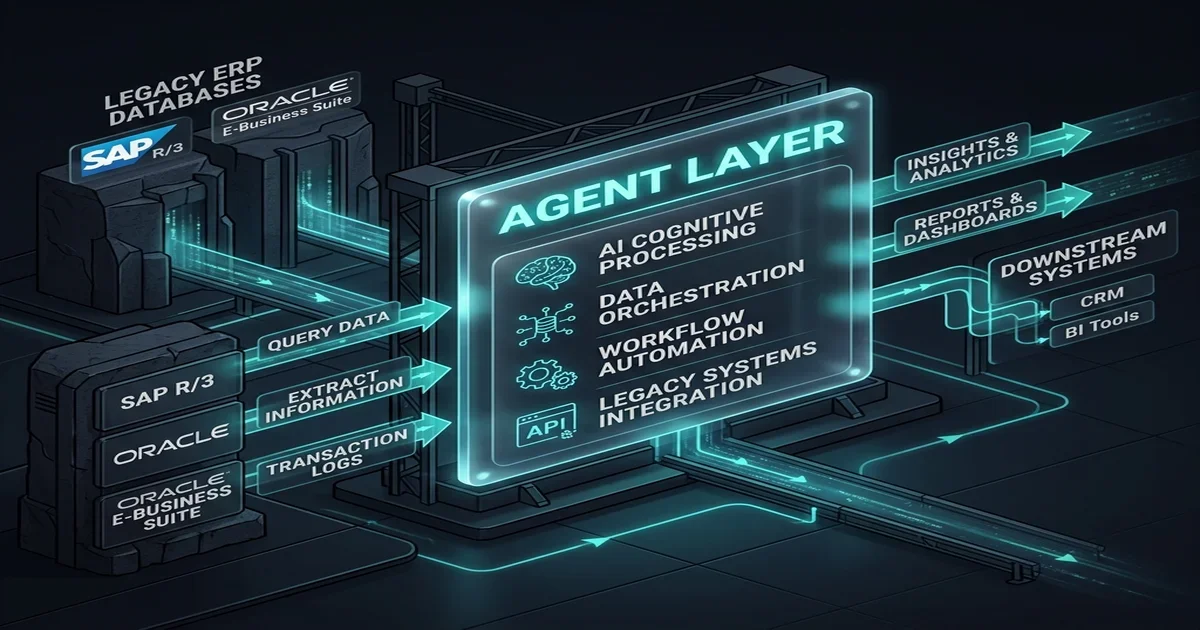
CIOs facing multi-million-dollar modernization bills are adopting a composable alternative: bridging legacy ERP systems to AI agent orchestration layers. Rather than embarking on high-risk, ten-year database migration programs, organizations deploy Model Context Protocol (MCP) gateways and secure agentic wrappers. This lets autonomous systems query and write directly to legacy systems of record using real-time tool calling.
This news analysis explores how enterprises are using MCP and AI agent orchestration layers to modernize legacy ERP systems, avoiding expensive rip-and-replace migration programs.
What Happened
Recent enterprise software surveys show that over 65% of large organizations have paused or restructured their database replatforming programs due to cost overruns and delays. Instead, IT architects are leveraging comopsable integration patterns. By wrapping legacy ERP systems in lightweight API layers and exposing them through the Model Context Protocol (MCP), enterprises enable AI agents to perform complex queries directly.
This shift has reduced custom development cycles from months to days, as developers build simple tool-calling definitions that allow agents to handle workflows.
Why It Matters
The rip-and-replace model is no longer the only path to modernization. Replacing core legacy databases costs millions and risks operational disruption. An agentic ERP bridge allows companies to keep their stable systems of record while moving the operational speed to the edge.
AI agents act as intelligent orchestrators. They read data from legacy tables, process it using LLMs, and write back updates via secure APIs. In procurement workflows, an agent can check warehouse inventory, cross-reference supplier sheets, draft a purchase order, and update the legacy record in seconds.
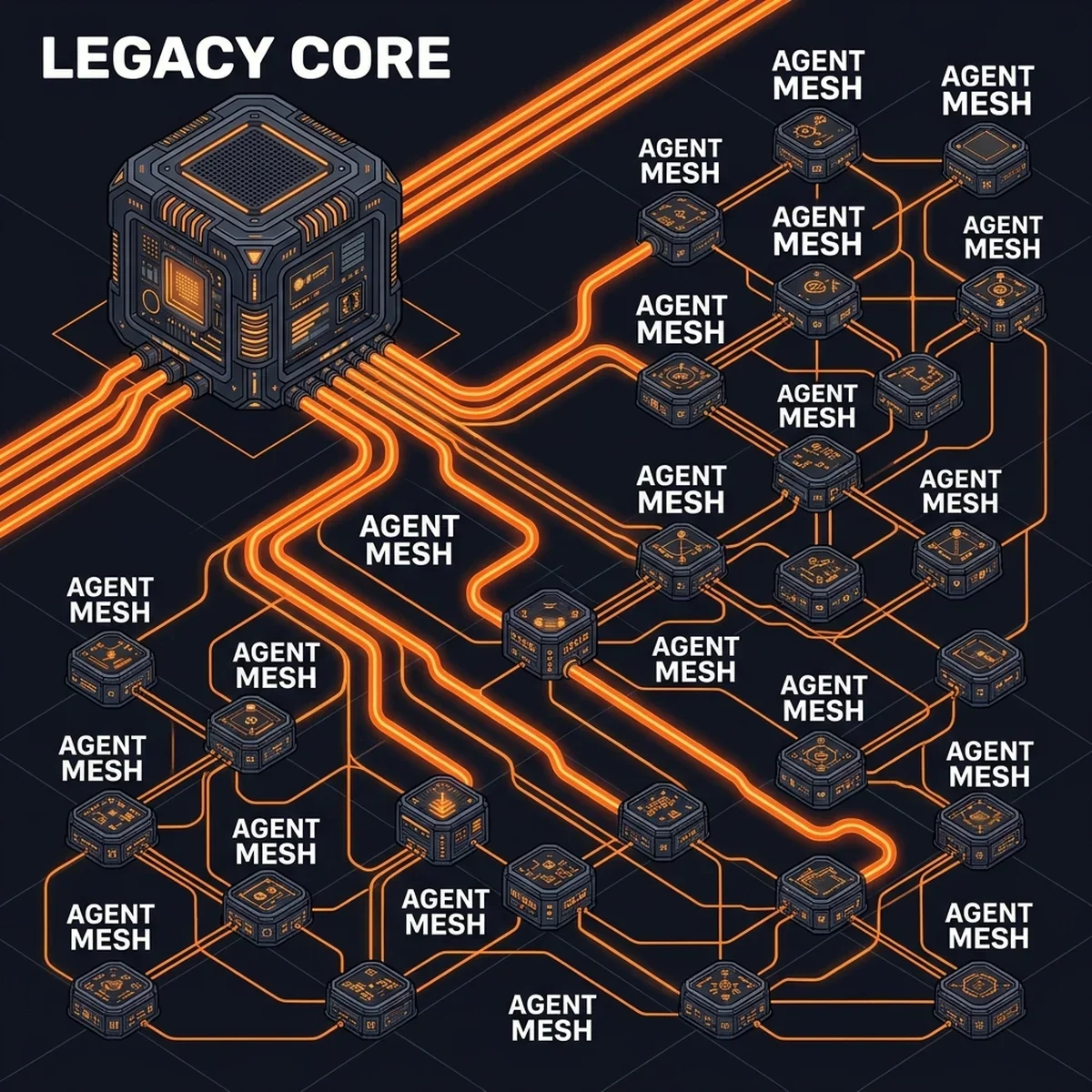
In my advisory work, I tell clients that the database is a system of record, not a system of innovation. Stop trying to write complex, modern workflows inside legacy database layers. Instead, build a clean MCP integration gateway. Let the legacy core do what it does best: maintain stable data. Let the agentic layer handle the dynamic processes, translation, and automation. This composable approach delivers 90% of the value of a replatform at 10% of the cost, while keeping your business operations running smoothly.
Modernization Comparison: Replatforming vs. Agent Integration
The table below contrasts traditional rip-and-replace replatforming programs against the modern composable agentic integration approach.
| Dimension | Traditional Replatforming | Agentic Integration (MCP) |
|---|---|---|
| Time to Value | 3–5 years for full migration. | 3–6 months for pilot connectors. |
| Modernization Cost | Very high ($10M+). | Fractional (infrastructure-only cost). |
| Operational Risk | High; cutover window risks database lockups. | Low; legacy database remains online. |
What to Watch Next
- Standardized MCP ERP Connectors: Open-source repositories releasing pre-built MCP servers for transactional databases.
- Agentic Transaction Firewalls: Real-time inspection layers that validate agent actions before committing them.
- Local NPU Integrations: Running small language models (SLMs) locally on hardware nodes to execute database tasks safely.
To design an agentic ERP roadmap or run an architecture review, reach out to our team at /contact.
For deeper integration strategies, read our blog on composable legacy ERP integration using MCP or discover how custom agents drive autonomous real-time procurement in retail.
Read the original security analysis → Enterprise Architecture Insights