STRATEGIC OVERVIEW
Practitioner breakdown of Advanced PGVector Data Modeling: Scaling Million-Row RAGEvolution in PostgreSQL — written for CTOs, VP Engineering, and India GCC leads shipping production AI with measurable ROI.
1. The Scale Problem: Why Naive PGVector Fails at 1M Rows
At 10,000 rows, PGVector feels like magic. At 1,000,000 rows, the magic disappears. Without a properly tuned index, your index scan reverts to a sequential scan, and your RAG latency jumps from 20ms to 2.5 seconds.
The failure usually happens at the Memory Boundary. If your vector index (specifically HNSW) cannot fit into the PostgreSQL Buffer Cache or the OS Page Cache, every query triggers disk I/O. In 2026, the first rule of high-scale PGVector is: Manage your RAM before you manage your Recall.
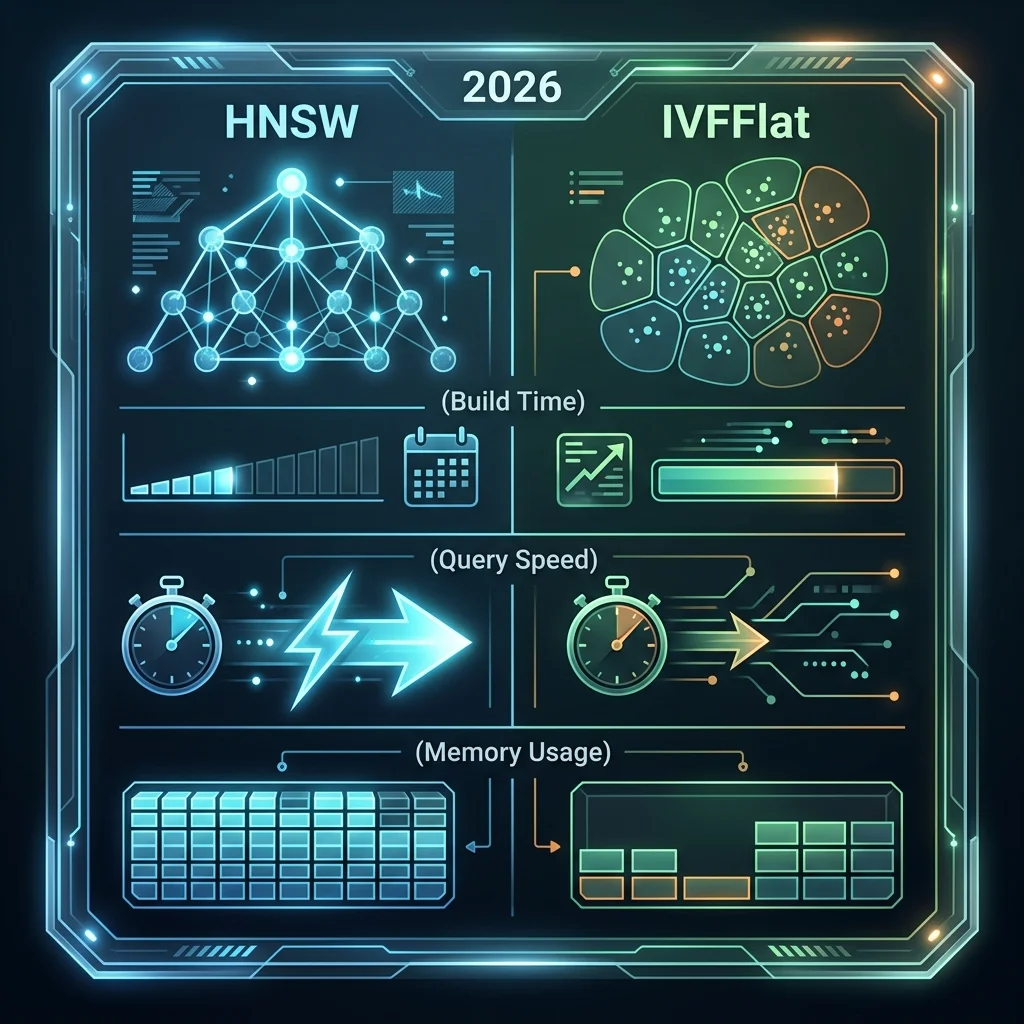
2. HNSW vs. IVFFlat: The 2026 Indexing Duel
For production RAG involving million-row datasets, the debate between IVFFlat and HNSW has largely been settled in favor of HNSW, but with significant caveats.
HNSW (The Reliability Choice)
HNSW builds a hierarchical graph. It is robust, handles incremental inserts without needing a reindex, and provides the best query-time recall.
- Tuning for 2026:
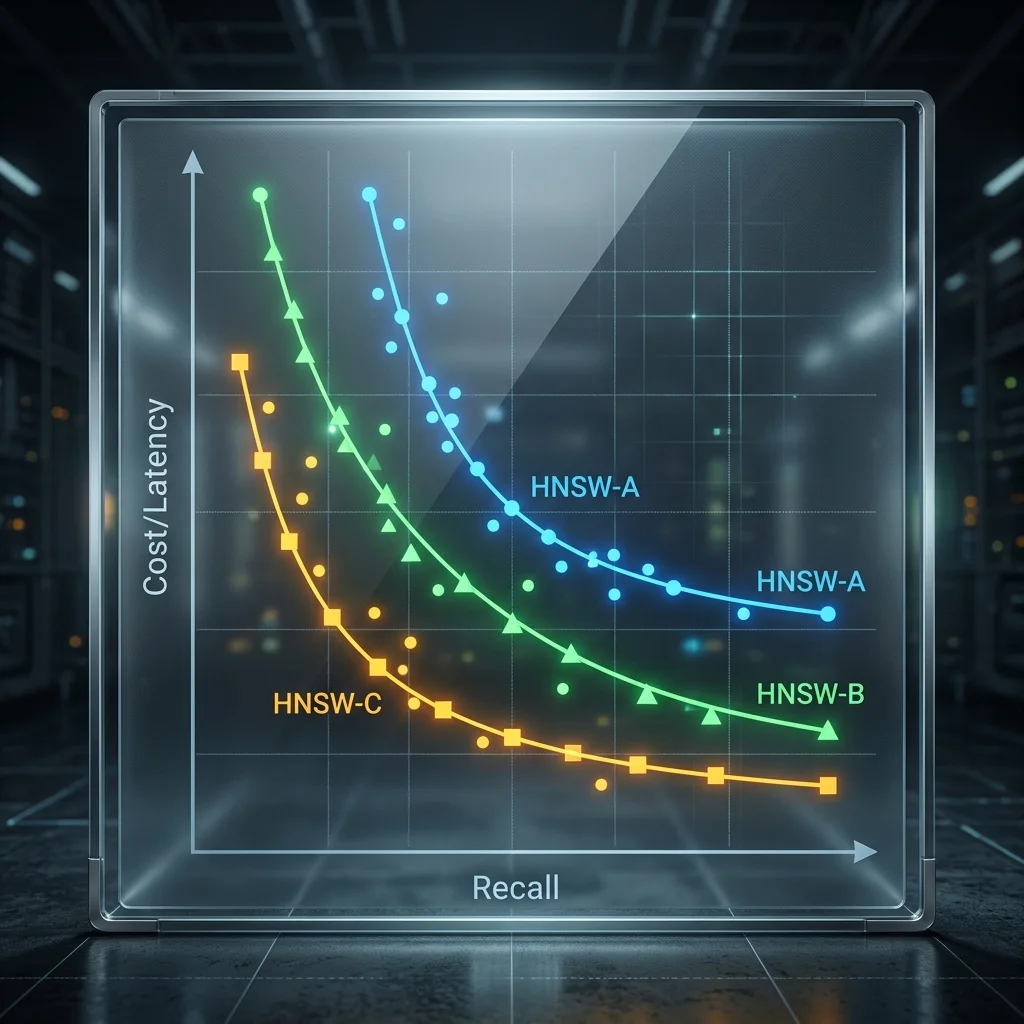
- M (Connections): For 1M+ rows, move from the default 16 to 32 or 64. This increases the "graph connectivity" and prevents recall decay.
- ef_construction: Increase to 128 or 256. This makes the build slower but ensures a more accurate graph for future searches.
IVFFlat (The Bulk-Loading Choice)
IVFFlat is a clustering-based index. It is much faster to build and uses less memory, but it requires a "training" set and recall drops sharply if your data distribution changes over time.
- When to Use: Only if you are bulk-loading a static dataset once and have extremely limited RAM.
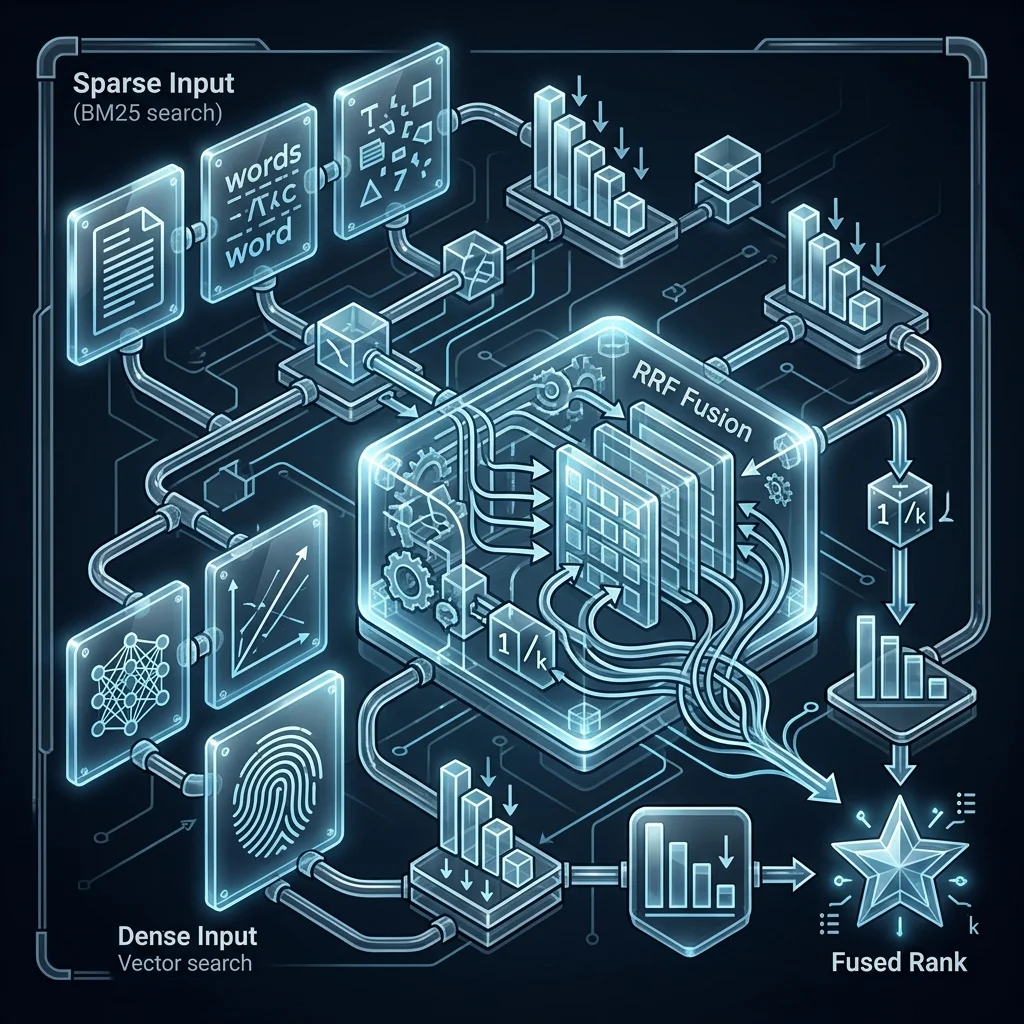
3. Hybrid Search Mastery with RRF (Reciprocal Rank Fusion)
Pure vector search is "semantic," but it's often terrible at exact matches (e.g., retrieving a specific product model number like A-700-X). The 2026 standard for production RAG is Hybrid Search.
In Postgres, we don't need a separate ElasticSearch instance for this. We can combine Dense Vector Search and Sparse Full-Text Search (BM25) using Reciprocal Rank Fusion (RRF).
The SQL Blueprint
By calculating the ranks in each list and fusing them, we ensure that results appearing at the top of both lists are prioritized. This eliminates the "Accuracy Gap" that plagues pure vector retrieval.
Practitioner Note: Tuning maintenance_work_mem
If you are building an HNSW index on 5M rows, the default maintenance_work_mem will absolutely kill your performance. The build will spill to disk and take 15 hours. Bump this to 8GB or 16GB for the duration of the index creation to keep the build in-memory.
4. Fitting 10 Million Vectors in RAM: halfvec & Quantization
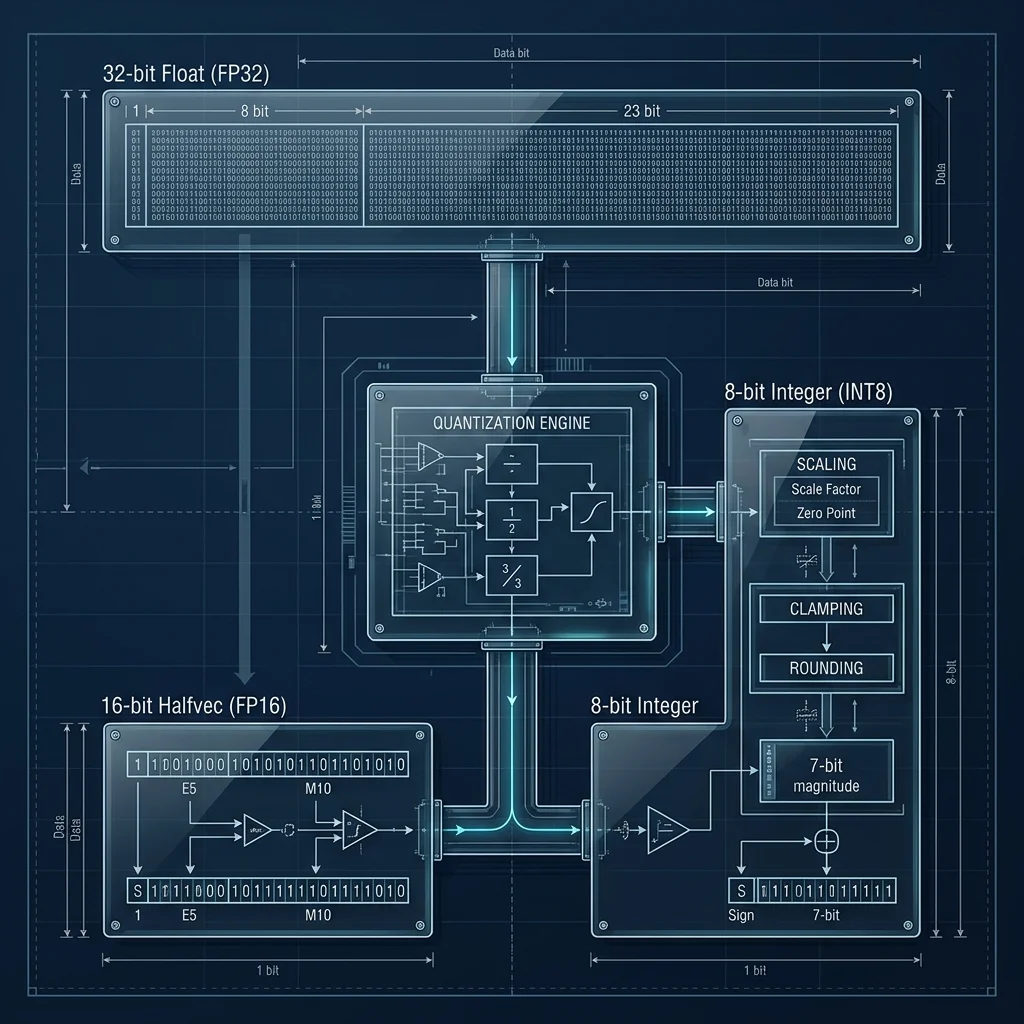
The biggest cost in vector databases is RAM. A standard vector(1536) column takes 6KB per row. For 10 million rows, just the raw data (without the index) is 60GB.
In 2026, we utilize Postgres Quantization to crush this footprint:
halfvec: A native Postgres type that stores vectors using 16-bit floats instead of 32-bit. This reduces memory usage by 50% with near-zero recall loss.- 8-bit Scalar Quantization: For even greater scale, we quantize the data to 8-bit integers. This allows us to fit massive indices into mid-tier cloud instances.
5. Operational Guardrails: Partitioning for Zero-Downtime
In a production RAG environment, you cannot afford to have your database lock while creating a massive HNSW index.
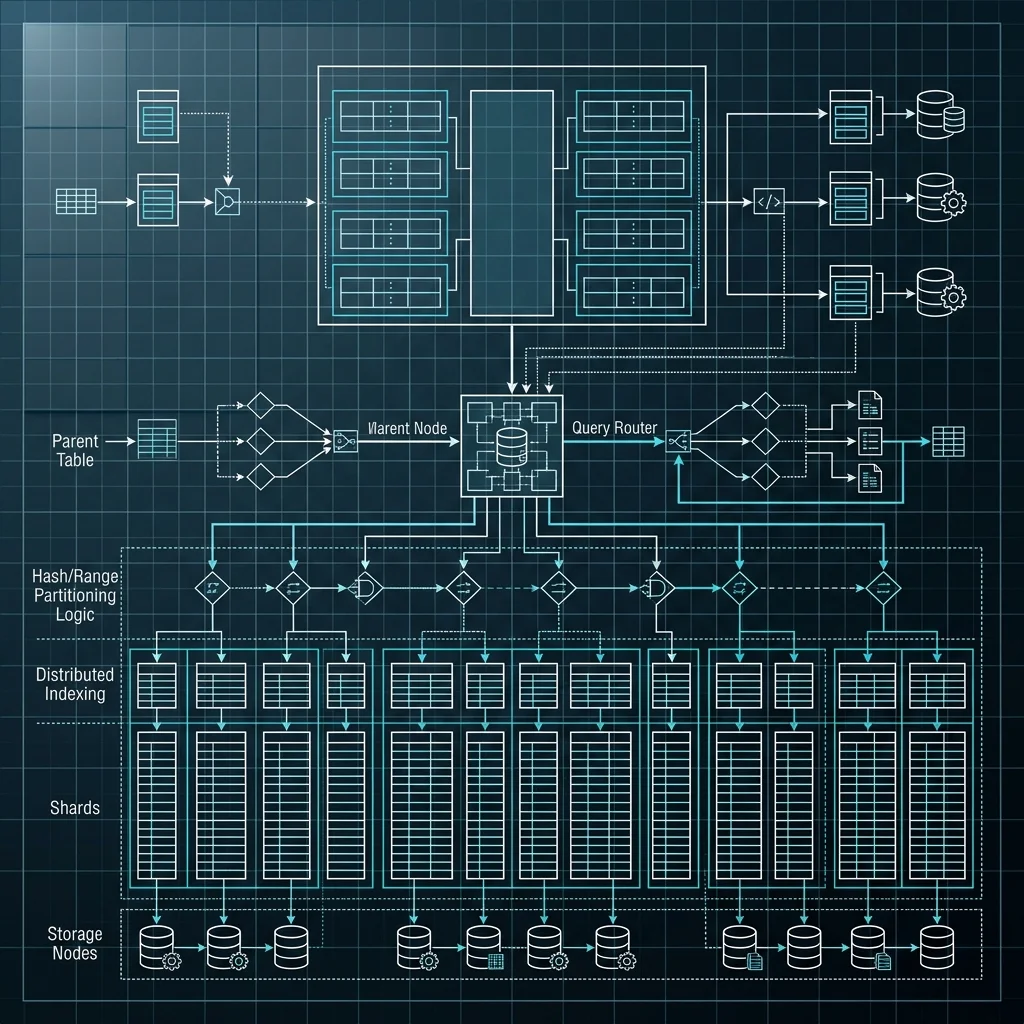
Range Partitioning for Vectors
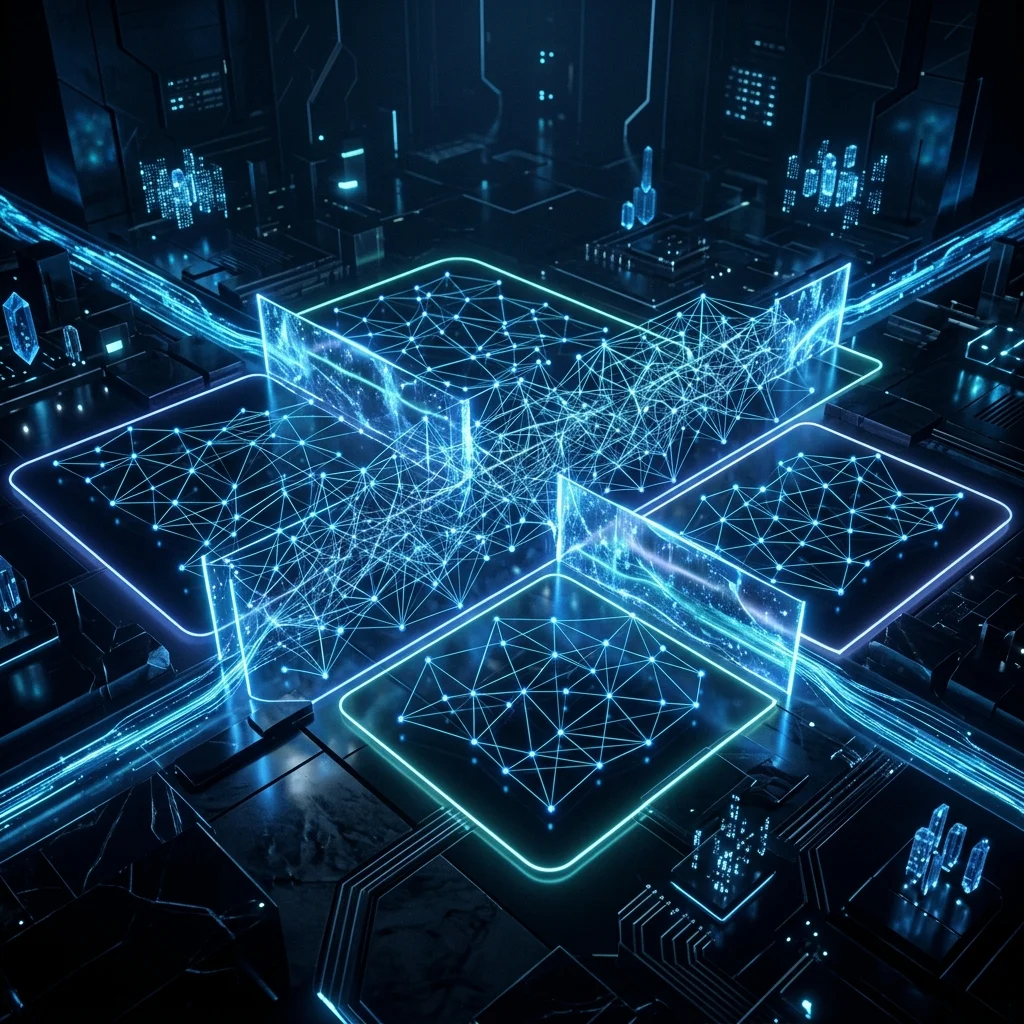
We implement Declarative Partitioning based on time or tenant ID.
- Isolation: New embeddings are written to the current partition.
- Background Indexing: We create the HNSW index on older, static partitions
CONCURRENTLY. - Maintenance: When a partition reaches the 10M row limit, we shard it further, ensuring that no single index exceeds the memory capacity of the Postgres worker.
6. Monitoring the Vector Surface Area
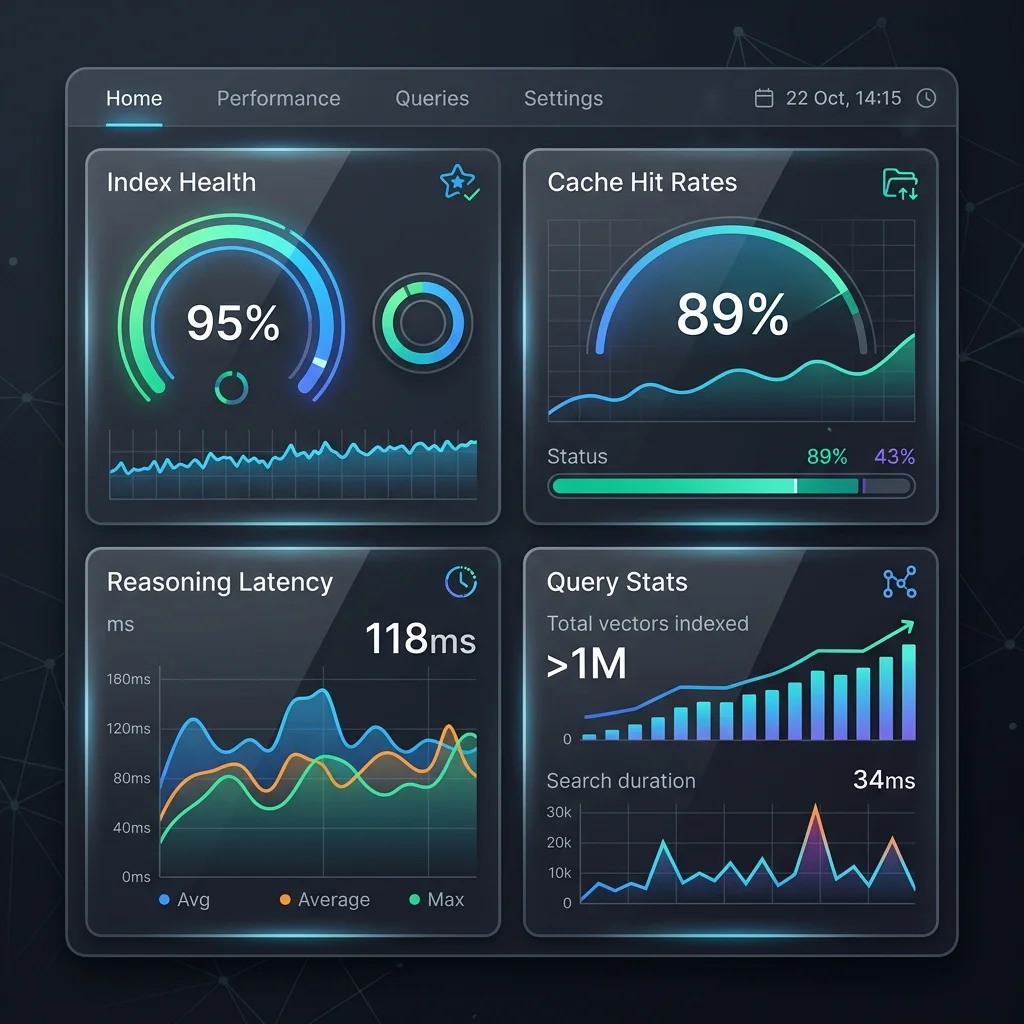
A "Clean" PGVector implementation requires observability. In 2026, we monitor:
- Recall Consistency: Periodic checks of the top-k results against a brute-force search.
- Index Fragmentation: Monitoring the "Graph Health" of the HNSW layers.
- Buffer Cache Hit Ratio: Ensuring the vector index fragments stay "hot" in memory.
The 2030 Horizon: From Storage to Intelligence Mesh
By 2030, the line between "Database" and "Reasoning Engine" will vanish. PostgreSQL will evolve into an Autonomous Intelligence Mesh, where the vector index doesn't just retrieve data--"it performs 'Reasoning at the Edge," autonomously prioritizing and re-ranking information based on real-time task context.

Why choose PGVector over a dedicated vector database like Pinecone or Weaviate in 2026?
In 2026, the 'Postgres-First' strategy wins for data sovereignty and operational simplicity. By keeping vectors in Postgres, you get ACID compliance, JOINs with relational metadata, and established monitoring tools, without the 'Data Gravity' tax of shipping information to a third-party API.
What is the optimal M and ef_construction for 1 million rows?
For million-row datasets, set M=32 and ef_construction=128. This provides a strong balance between build time (hours) and search recall (98%+). For 10 million rows, consider M=64 and ef_construction=256.
How does Reciprocal Rank Fusion (RRF) solve the accuracy problem?
RRF merges the results of semantic search (Dense) and keyword search (Sparse) based on their relative ranks. This ensures that documents which are both semantically relevant and contain exact matches are prioritized, significantly improving RAG accuracy for technical or product data.
Can I build HNSW indices on large tables without downtime?
Yes, using the CREATE INDEX CONCURRENTLY flag in PostgreSQL. However, be aware that building on 1M+ rows will consume significant CPU and I/O. It is best to perform these builds during off-peak hours or on a read-replica first.
What is 'halfvec' and why should I use it?
halfvec is a PGVector type that uses 16-bit floats (half precision). It reduces the storage and memory footprint of your vectors by 50% with almost no impact on retrieval accuracy, making it the default choice for scaling RAG in 2026.
About the Author
Vatsal Shah is a world-class AI Infrastructure Architect and Sovereign RAG Strategist. He specializes in the design and scaling of high-performance vector architectures for global enterprises, bridging the gap between legacy database systems and autonomous intelligence meshes. Vatsal is a leading expert in PGVector optimization and hybrid retrieval strategies.
Additional Intelligence Assets