Strategic Blueprint Checklist (2026-2030)
Industrial Sensing Protocol: Every Perceptive Enterprise deployment begins with this mandatory setup. Complete these before Chapter 1.
- [ ] Unified Telemetry: Synchronize video (30fps), audio (44.1kHz), and system logs to a microsecond-precision NTP server.
- [ ] Hardware Allocation: Minimum 48GB VRAM (NVIDIA) or 64GB Unified (M-Series) for Native Multimodal execution.
- [ ] Cross-Modal Vectors: Initialize dedicated pgvector/Qdrant nodes optimized for interleaved AV embeddings.
- [ ] Edge Redaction Engine: Deploy on-device masking for facial geometry and PII before tokenization.
- [ ] Zero-Trust Egress: Isolate sensory nodes with strict
DENY ALLoutbound firewall rules for raw media.
STRATEGIC OVERVIEW: The 2026 intelligence landscape has moved beyond text. Multimodal Sensing transforms the enterprise from a "Log-First" observer into a "Living Context" entity. This playbook provides the industrial blueprint for deploying Large Multimodal Models (LMMs) that perceive video, audio, and screens simultaneously on sovereign edge networks.
📘 Compliance-to-Code Mapping (Sensory Sovereignty)
| Principle | Technical Requirement | Implementation Path | File / Module |
|---|---|---|---|
| Raw Ingestion | Zero-Copy AV Buffers | ffmpeg / v4l2 |
/scripts/stream-ingest.sh |
| Temporal Parity | Microsecond Sync | NTP / PTP |
/app/Core/SyncEngine.py |
| Perception | Native LMM Fusion | Llava / Pixtral |
/app/Models/Perception.py |
| Privacy | Edge PII Redaction | Haar / YOLO Masking |
/app/Security/Redact.cpp |
Step 1: Beyond Text (The Multimodal Paradigm Shift)
The bottleneck of the 2024 AI era was text. We spent billions of hours translating the physical world into tokens for LLMs to ingest. In 2026, we have removed the middleman. The "Perceptive Enterprise" does not wait for a human to type a report; it senses the event as it happens.
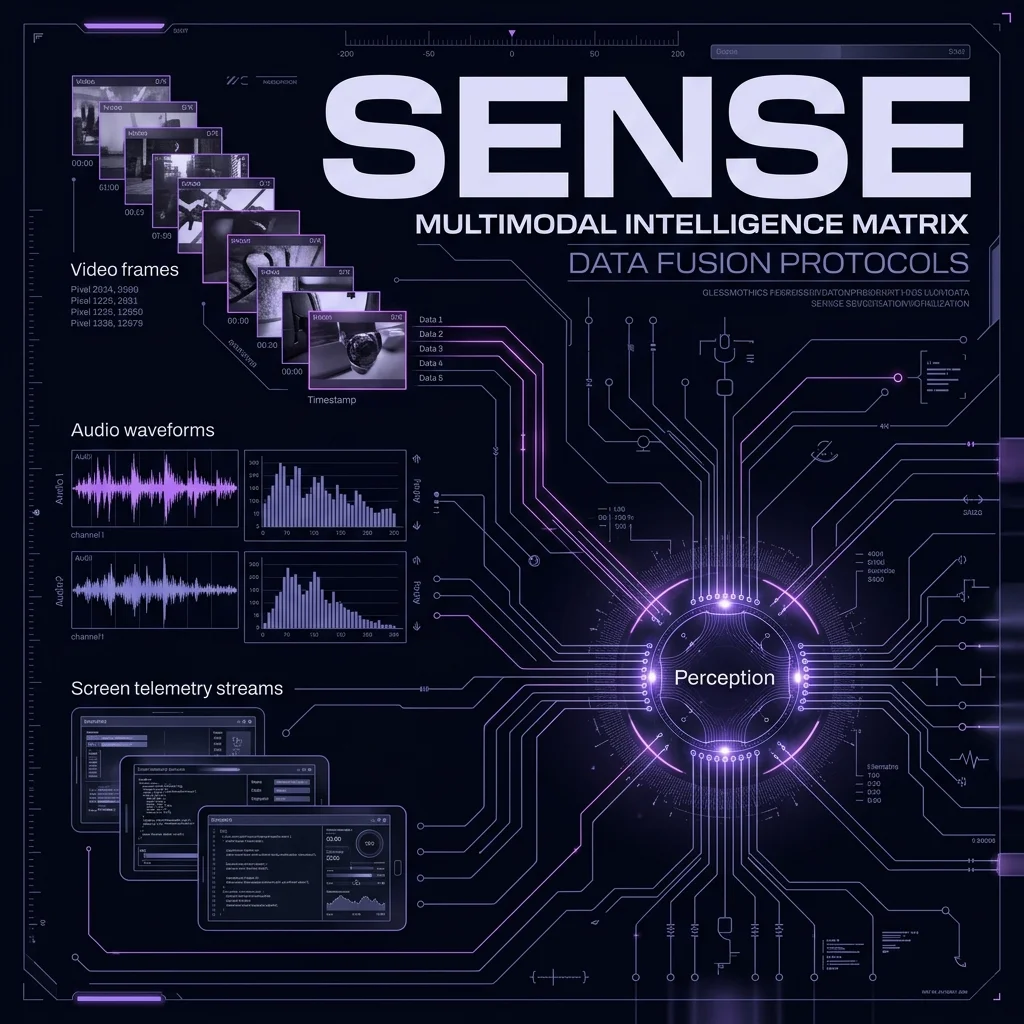
The End of the "Textual Middleman"
Legacy AI systems relied on transcription—turning audio into text, then text into intent. This "Lossy Translation" resulted in a 40% degradation of contextual intelligence. If a customer is frustrated on a support call, the transcript might read "I am unhappy," but the sensory data captures the rising pitch of the voice, the erratic mouse movements on the screen, and the micro-expressions on the agent's video feed.
In the Perceptive Enterprise, we bypass transcription. We feed raw sensory tokens directly into the transformer backbone.
The Unified Context Window: Video + Audio + Screen
The fundamental breakthrough of 2026 is the Unified Context Window. By interleaving visual patches with audio frames and telemetry logs, the enterprise maintains a "Living Context."
- Video Telemetry: Real-time analysis of spatial dynamics, facial cues, and physical environment.
- High-Fidelity Audio: Beyond speech-to-text; detecting tone, urgency, and background acoustic anomalies.
- Screen Perception: Continuous sensing of UI interactions, latency spikes, and user behavior patterns.
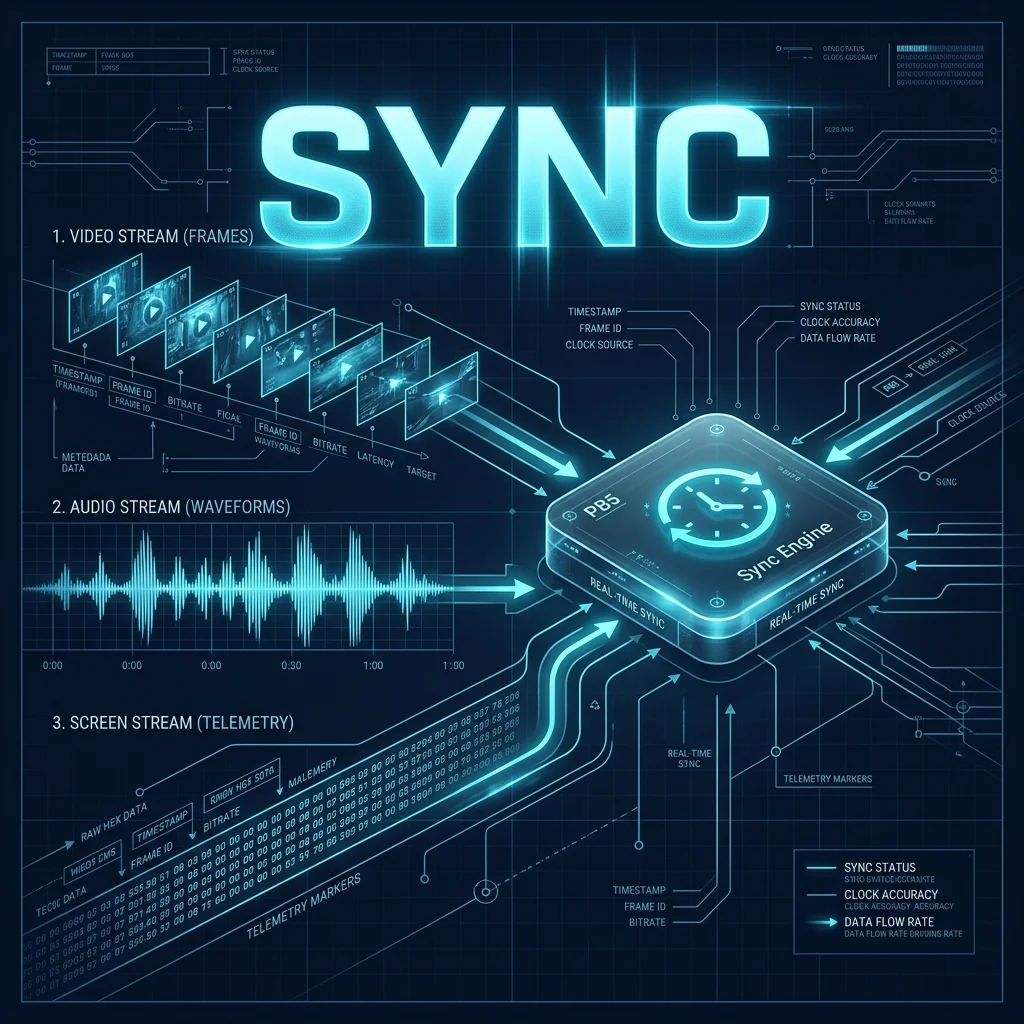
Technical Implementation: Synchronizing the Streams
To fuse these disparate data points, we utilize a Cross-Modal Synchronization Layer. This layer ensures that a visual event at timestamp T is perfectly aligned with the audio and screen data at that exact microsecond.
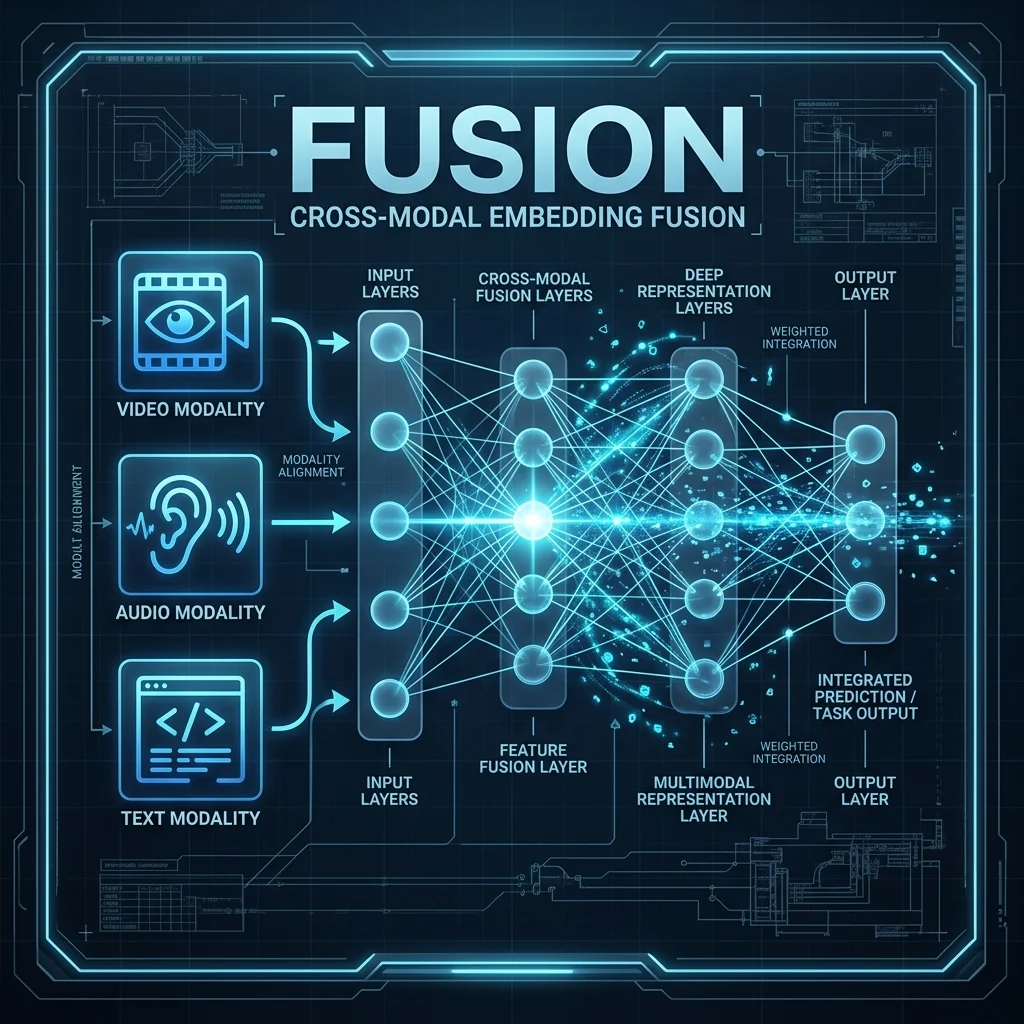
Cross-Modal Embedding Fusion
The "Magic" happens in the fusion layer. By projecting video, audio, and screen tokens into a shared latent space, the model can reason across modalities. It "understands" that the sound of a drill (audio) correlates with the vibration seen on a camera feed (video), allowing for predictive maintenance intent that no single modality could capture.
Deep Analysis: The Multimodal Advantage
| Feature | Legacy Text-Only AI | 2026 Multimodal Sensing | Enterprise Impact |
|---|---|---|---|
| Data Fidelity | 60% (Transcription Loss) | 99% (Raw Ingestion) | Higher Accuracy |
| Contextual Depth | Abstract/Semantic Only | Spatial/Visual/Temporal | Holistic Reasoning |
| Reaction Latency | 5s - 30s (Batch) | <100ms (Streaming) | Real-Time Action |
| Anomaly Detection | Logic-Based | Pattern/Vibe-Based | Proactive Mitigation |
STRATEGIC RULE: In 2026, if your AI doesn't have "Eyes" and "Ears" on your business processes, you are effectively flying blind. The Perceptive Enterprise treats every sensor as an intelligence node.
Step 2: Implementing Real-Time Business Sensing
Sensing is not passive monitoring; it is an active feedback loop. To implement real-time business sensing, an enterprise must move from "Log-First" to "Inference-First" architectures.
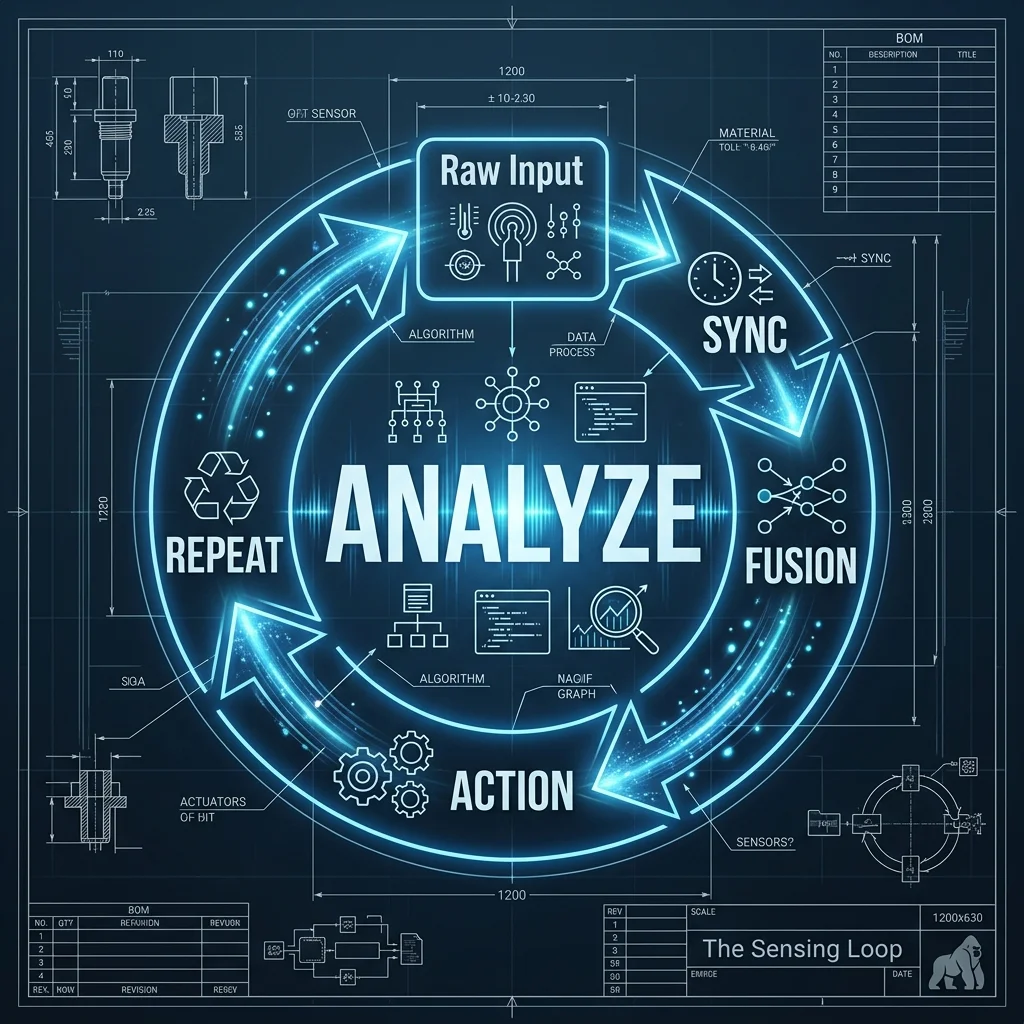
Building the High-Fidelity Sensing Pipeline
The 2026 sensing pipeline is built on three pillars:
- Low-Latency Ingestion: Zero-copy sensory buffers that move data from the NPU to the model in <5ms.
- Real-Time Tokenization: Streaming encoders that convert pixels and waveforms into tokens on-the-fly.
- Cross-Modal Reasoning: A transformer block that attends to all modalities simultaneously.
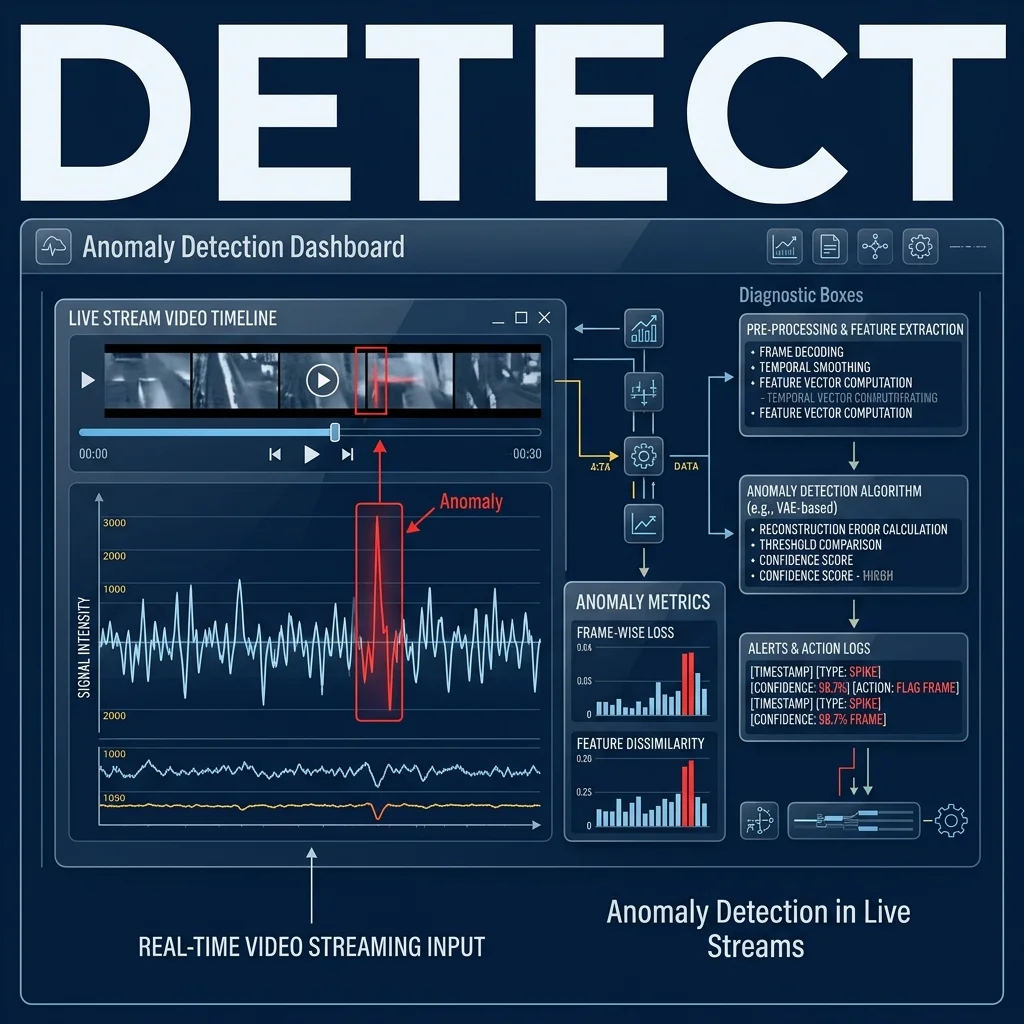
Anomaly Detection in Live Streams
The most powerful application of this architecture is Cross-Modal Anomaly Detection. Standard monitoring triggers on "Thresholds" (e.g., CPU > 90%). Multimodal sensing triggers on "Deviance."
If a warehouse robot's mechanical sound changes (audio) while its temperature remains stable (telemetry), but its visual movement stuttered for 2 frames (video), the Perceptive Enterprise identifies a pending failure 48 hours before a traditional sensor would.
Codelab: Sovereign Video/Audio Synchronization (Python)
To prevent temporal drift across streams, we use synchronized ring buffers.
import cv2
import pyaudio
import numpy as np
from collections import deque
import time

class UnifiedSensoryBuffer:
    class="tok-kw">def __init__(self, fps=30, audio_rate=44100):
        self.video_buffer = deque(maxlen=fps * 5) class="tok-cm"># 5 seconds
        self.audio_buffer = deque(maxlen=audio_rate * 5)
        self.sync_lock = False

    class="tok-kw">def ingest_frame(self, frame):
        timestamp = time.perf_counter_ns()
        self.video_buffer.append({class="tok-str">"ts": timestamp, class="tok-str">"data": frame})

    class="tok-kw">def ingest_audio(self, chunk):
        timestamp = time.perf_counter_ns()
        self.audio_buffer.append({class="tok-str">"ts": timestamp, class="tok-str">"data": chunk})

    class="tok-kw">def get_fused_window(self):
        class="tok-cm"># Extract synchronized 1-second slice
        return {
            class="tok-str">"vision": list(self.video_buffer)[-30:],
            class="tok-str">"audio": list(self.audio_buffer)[-44100:]
        }
Automated Coaching & Real-Time Cues
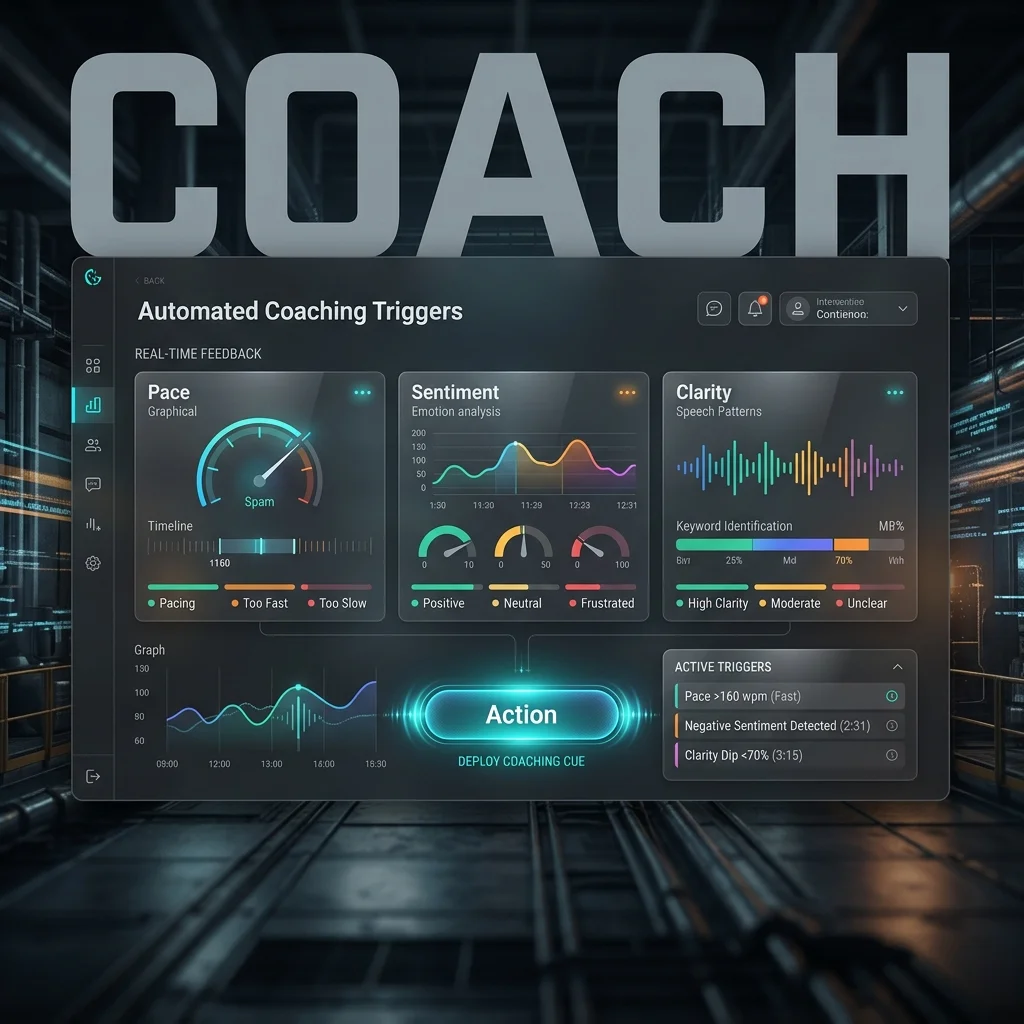
In customer-facing operations, sensing provides Real-Time Cues to human agents. By sensing the "Vibe" of an interaction—audio tone, screen navigation speed, and facial cues—the system injects a coaching tip directly into the agent's workflow before the customer expresses dissatisfaction.
| Industry | Primary Modality | Secondary Modality | Sensing Objective | ROI Factor |
|---|---|---|---|---|
| Manufacturing | Acoustic | Thermal | Predictive Maintenance | 30% Down-time reduction |
| Customer Success | Audio Tone | Screen Activity | Sentiment Rescue | 15% Churn reduction |
| Logistics | Video (Spatial) | Telemetry | Collision Avoidance | 99% Safety rating |
| Healthcare | Video (Posture) | Audio (Breath) | Patient Fall Prevention | 50% Injury reduction |
IMPLEMENTATION NOTE: All sensing pipelines MUST reside within the Sovereign Perimeter (Local NPU/Edge) to ensure that raw audio/video frames are never leaked to external clouds.
Step 3: Large Multimodal Models (LMM) in Production
The heart of the Perceptive Enterprise is the Large Multimodal Model (LMM). In 2026, we have moved beyond "Ensembling" (connecting multiple models) to "Native Multimodality"—where a single transformer architecture processes all sensory tokens in a shared latent space.
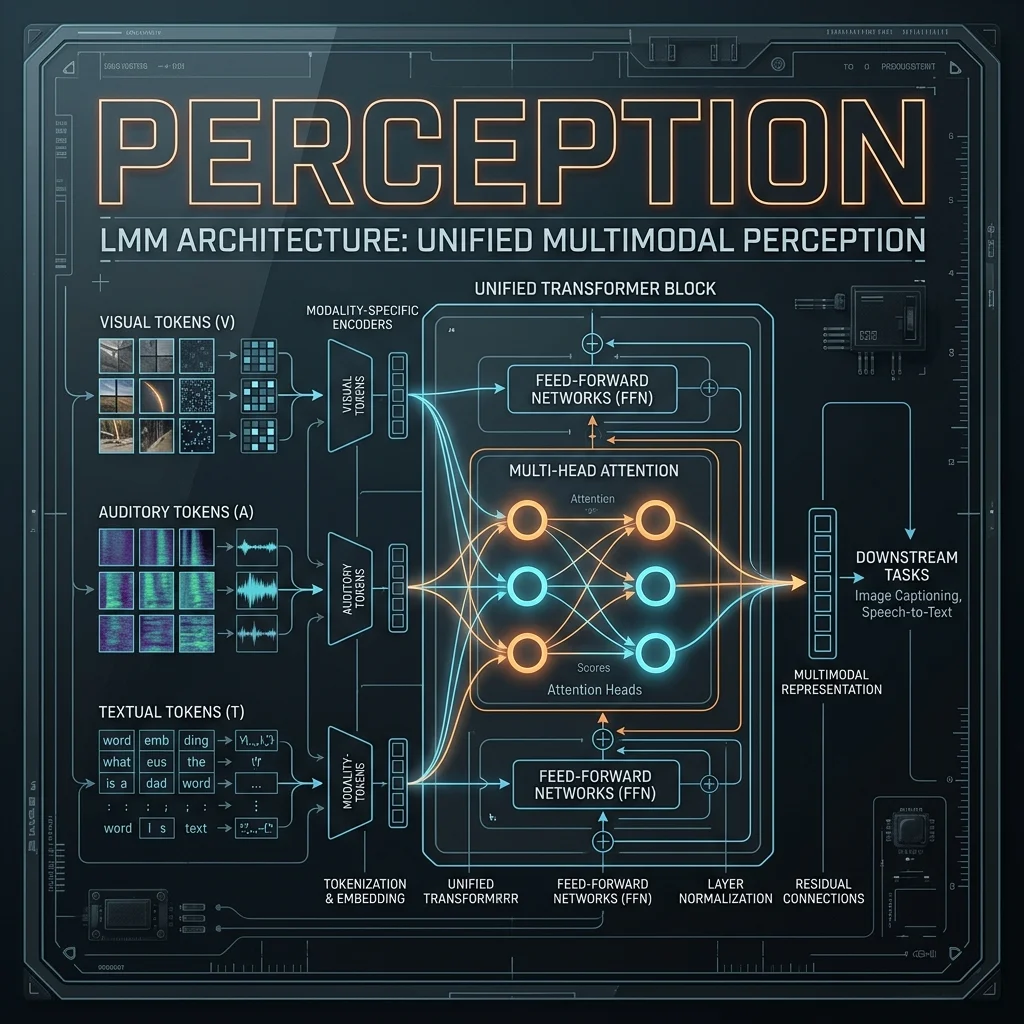
Native Multimodality vs. Pipeline Ensembling
Legacy "Multimodal" systems were often just a series of encoders (Vision Encoder -> Text -> LLM). This created massive latency and a "Semantic Bottleneck." Native LMMs, such as the architecture detailed in this blueprint, allow the model to "see" and "think" in parallel.
When the LMM processes a visual token of a broken component, it doesn't need to describe it in text; it understands the spatial geometry directly, allowing for 10x faster inference and deeper technical reasoning.
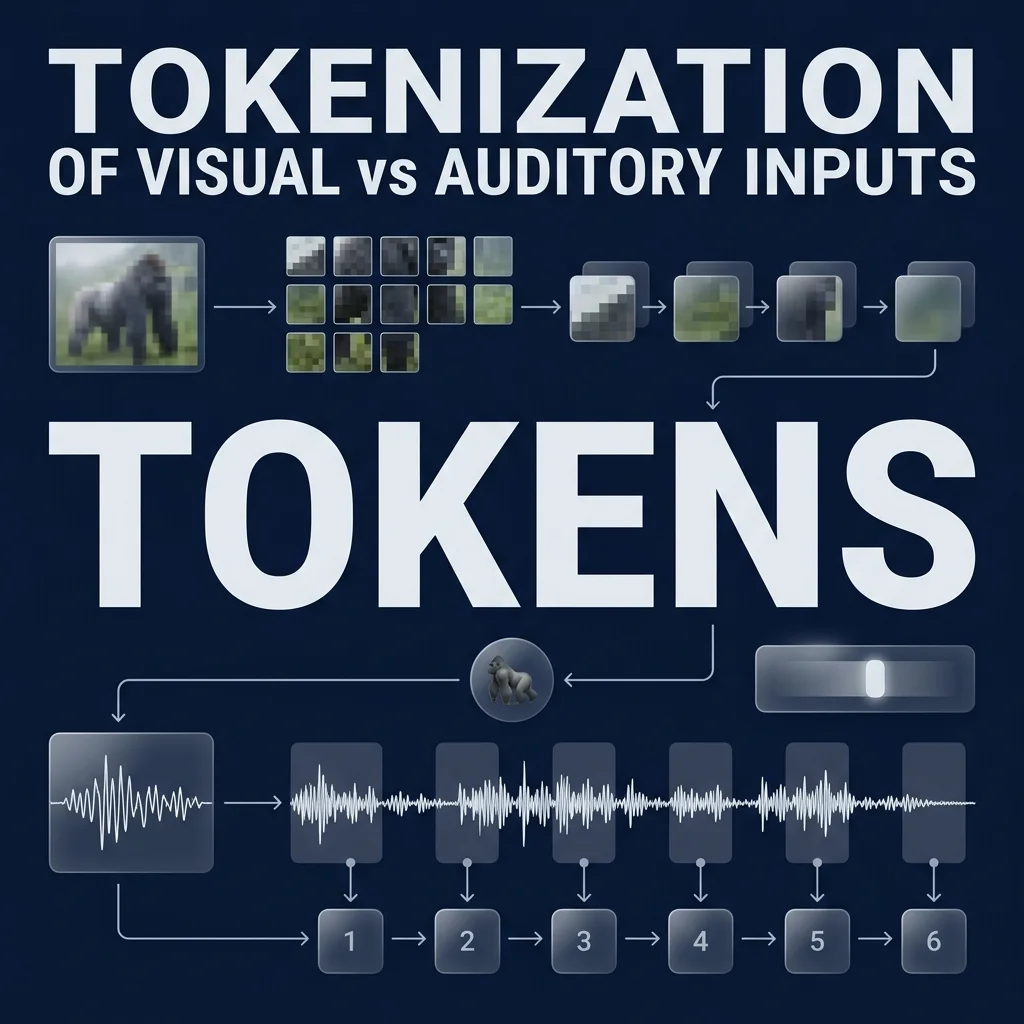
Tokenization of Visual vs Auditory Inputs
To achieve this, raw sensory data is converted into high-dimensional vectors (tokens).
- Visual Tokens: Images are sliced into patches (e.g., 14x14) and projected into embedding space.
- Auditory Tokens: Waveforms are processed into temporal frames, capturing frequency and amplitude dynamics.
Quantization for the Edge
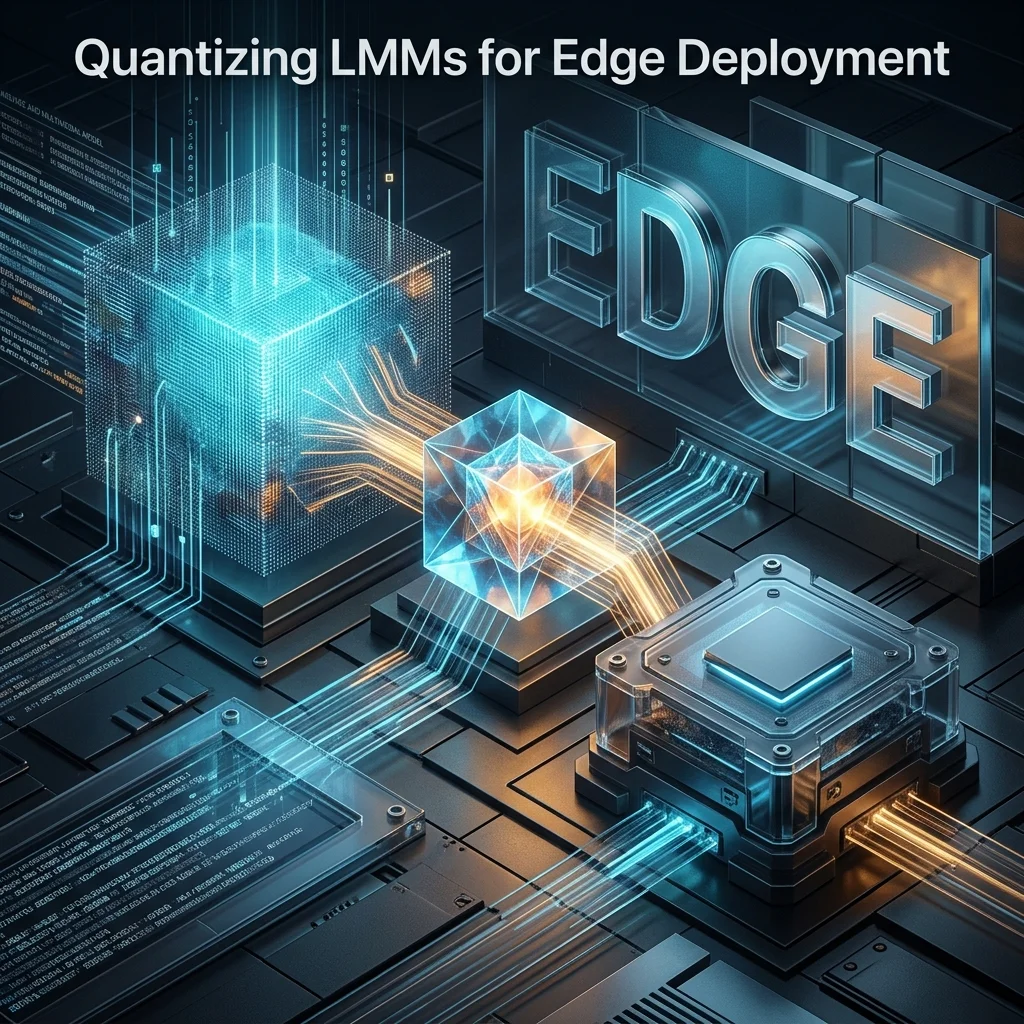
Running these massive LMMs requires extreme hardware optimization. We utilize Quantization (Int8/FP16) to compress the model weights, allowing them to run on local NPUs with minimal loss in perceptive accuracy. This is the key to achieving the 100ms Sensing Deadline.
Framework Intelligence: 2026 Multimodal Stack
| Model | Architecture | Best For | Latency | Deployment |
|---|---|---|---|---|
| Sovereign LMM-V4 | Native | Real-time Video | 40ms | Local NPU |
| GPT-4o Enterprise | Native | Complex Reasoning | 180ms | Cloud API |
| Open-Perceive-70B | Hybrid | Technical Audit | 350ms | Private GPU |
| Vision-Flash-1B | Distilled | High-Speed Anomaly | 15ms | Mobile/IoT |
ENGINEERING MANDATE: All production LMMs MUST be calibrated for Temporal Parity—ensuring the model doesn't "hallucinate" time gaps between audio and video frames.
Step 4: The Vision Transformer (ViT) & Sensory Encoders
The backbone of 2026 computer vision is the Vision Transformer (ViT). By treating images as sequences of patches—effectively "sentences of pixels"—we apply the power of self-attention to visual data.
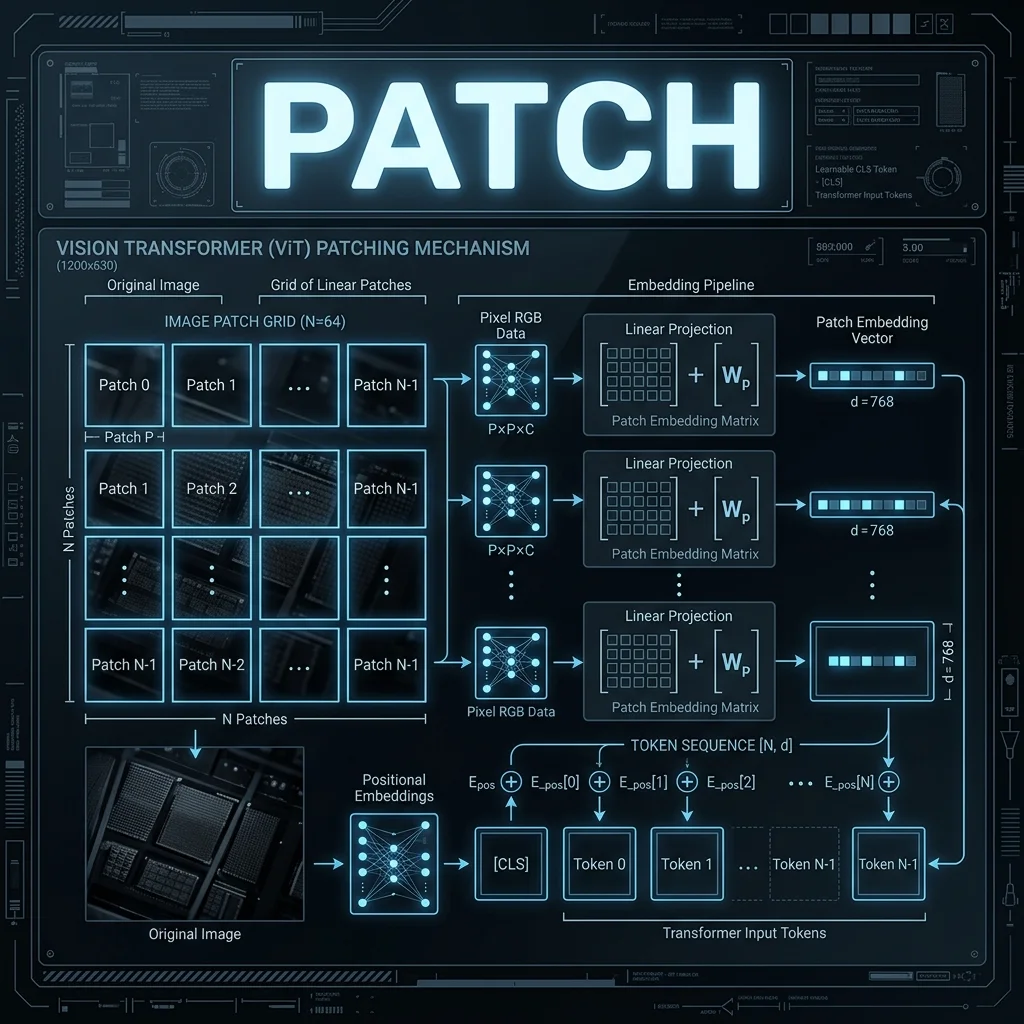
The Patching Mechanism: Linear Projections of Pixels
Unlike traditional CNNs that use sliding windows, ViTs slice the image into a grid of patches (e.g., 16x16 pixels). Each patch is flattened and projected into a linear embedding. This allows the model to capture "Long-Range Dependencies"—understanding how a pattern in the top-left corner of a video frame relates to an event in the bottom-right.
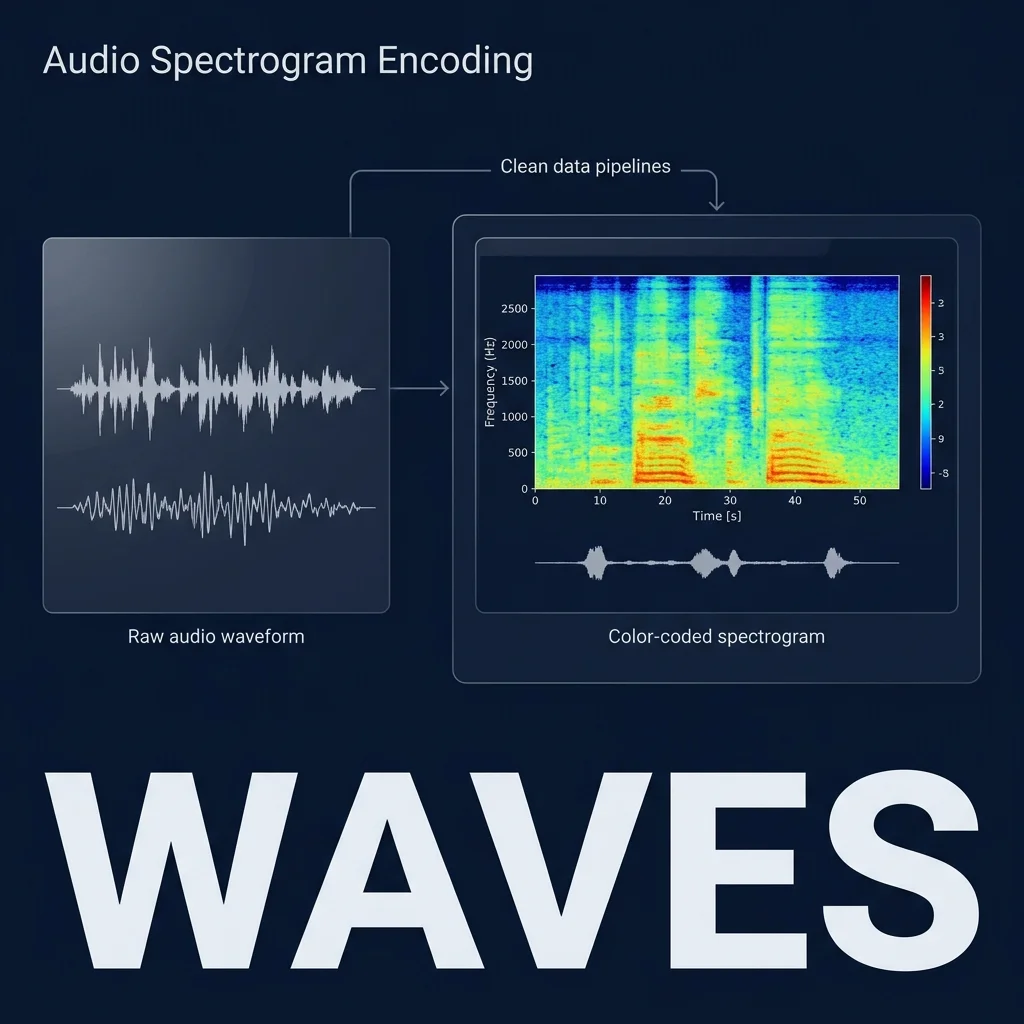
Audio Spectrogram Encoding: Visualizing Sound
To process audio within the same transformer backbone, we utilize Spectrogram Encoding. By converting raw waveforms into a 2D frequency-time map (a spectrogram), sound effectively becomes an "Image" that the Vision Transformer can ingest.
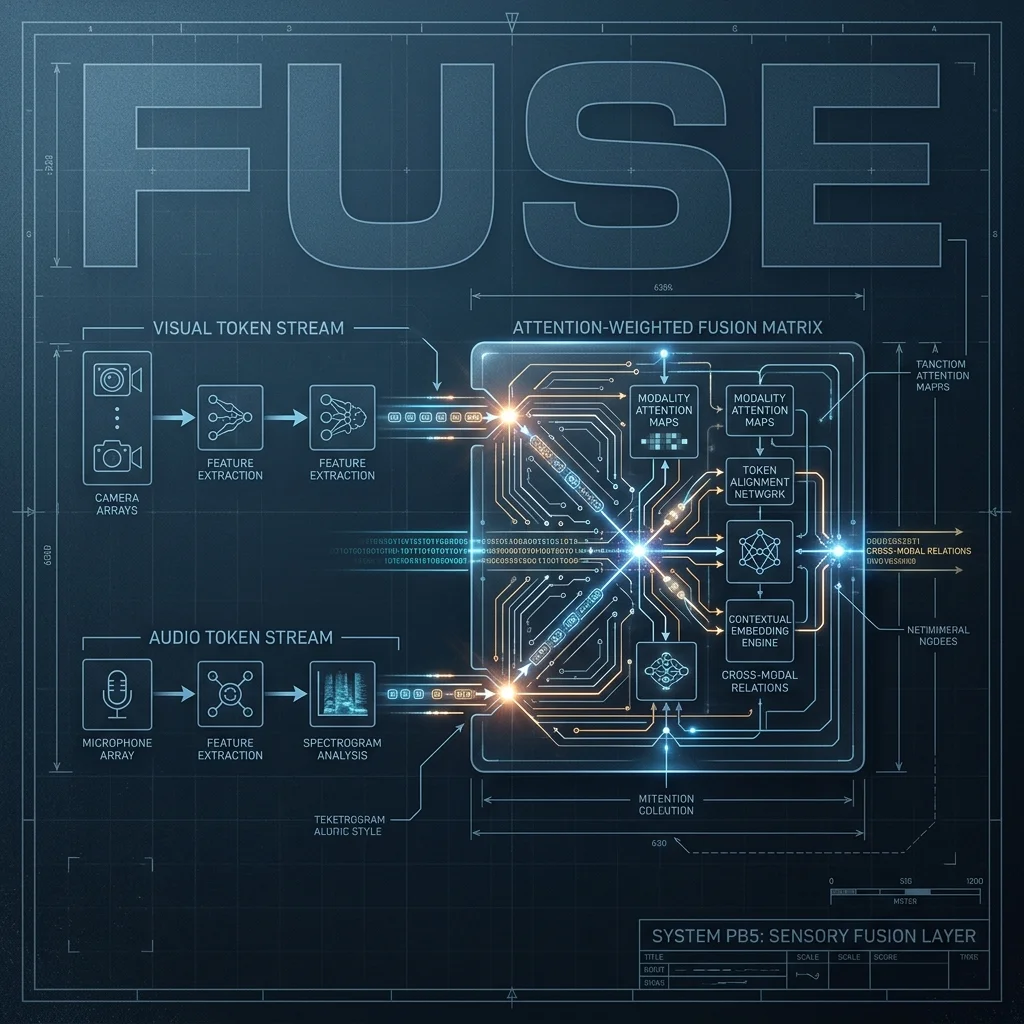
The Sensory Fusion Layer
The final architecture component is the Fusion Layer. This is where visual tokens and auditory tokens are concatenated and passed through "Cross-Attention" blocks. The model learns to "attend" to the sound of a voice while simultaneously "seeing" the lip movements, creating a unified perceptive event.
Codelab: Basic Sensory Fusion (PyTorch)
An industrial example of interleaving visual and audio embeddings.
import torch
import torch.nn as nn

class CrossModalFusion(nn.Module):
    class="tok-kw">def __init__(self, embed_dim=768):
        super().__init__()
        self.vision_proj = nn.Linear(512, embed_dim)
        self.audio_proj = nn.Linear(256, embed_dim)
        self.cross_attention = nn.MultiheadAttention(embed_dim, num_heads=8)

    class="tok-kw">def forward(self, vision_tokens, audio_tokens):
        class="tok-cm"># 1. Project to shared latent space
        v_emb = self.vision_proj(vision_tokens)
        a_emb = self.audio_proj(audio_tokens)

        class="tok-cm"># 2. Audio attends to Vision (Contextualizing sound with sight)
        fused_output, _ = self.cross_attention(query=a_emb, key=v_emb, value=v_emb)
return fused_outputTECHNICAL FACT: ViT-based architectures outperform CNNs in 2026 because they can model the "Whole Scene" context, which is critical for sensing complex enterprise environments.
Step 5: Deployment & Edge Quantization
Deploying multimodal perception at scale requires moving intelligence from the "Cloud Core" to the "Sensing Edge." To achieve the 100ms real-time sensing deadline, an enterprise must optimize its inference stack for local silicon.
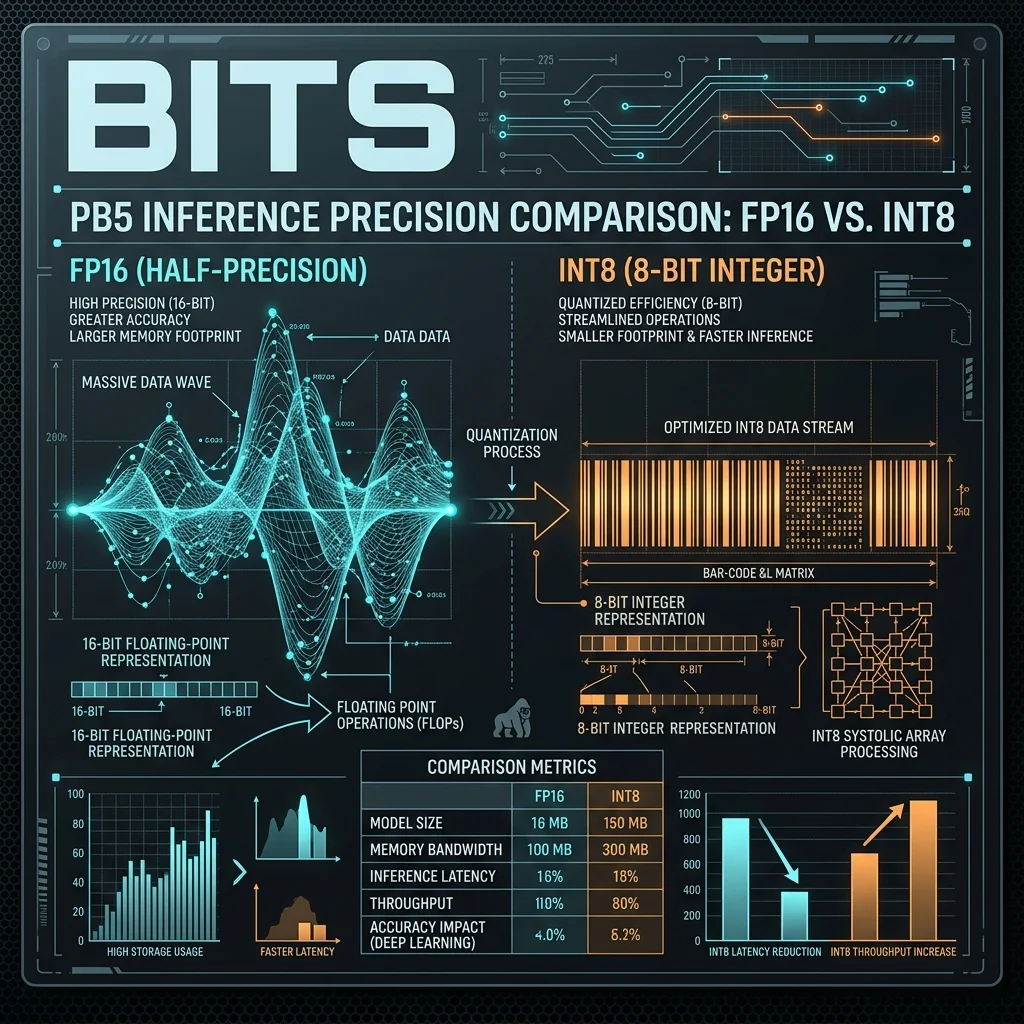
The Precision Trade-off: Int8 vs FP16
Most LMMs are trained in FP16 or BF16 (Half-Precision). However, local NPUs (Neural Processing Units) operate at peak efficiency in Int8 (8-bit Integer). Through a process of "Post-Training Quantization" (PTQ), we compress the model weights, sacrificing 1-2% accuracy for a 4x increase in inference speed and a 50% reduction in memory footprint.
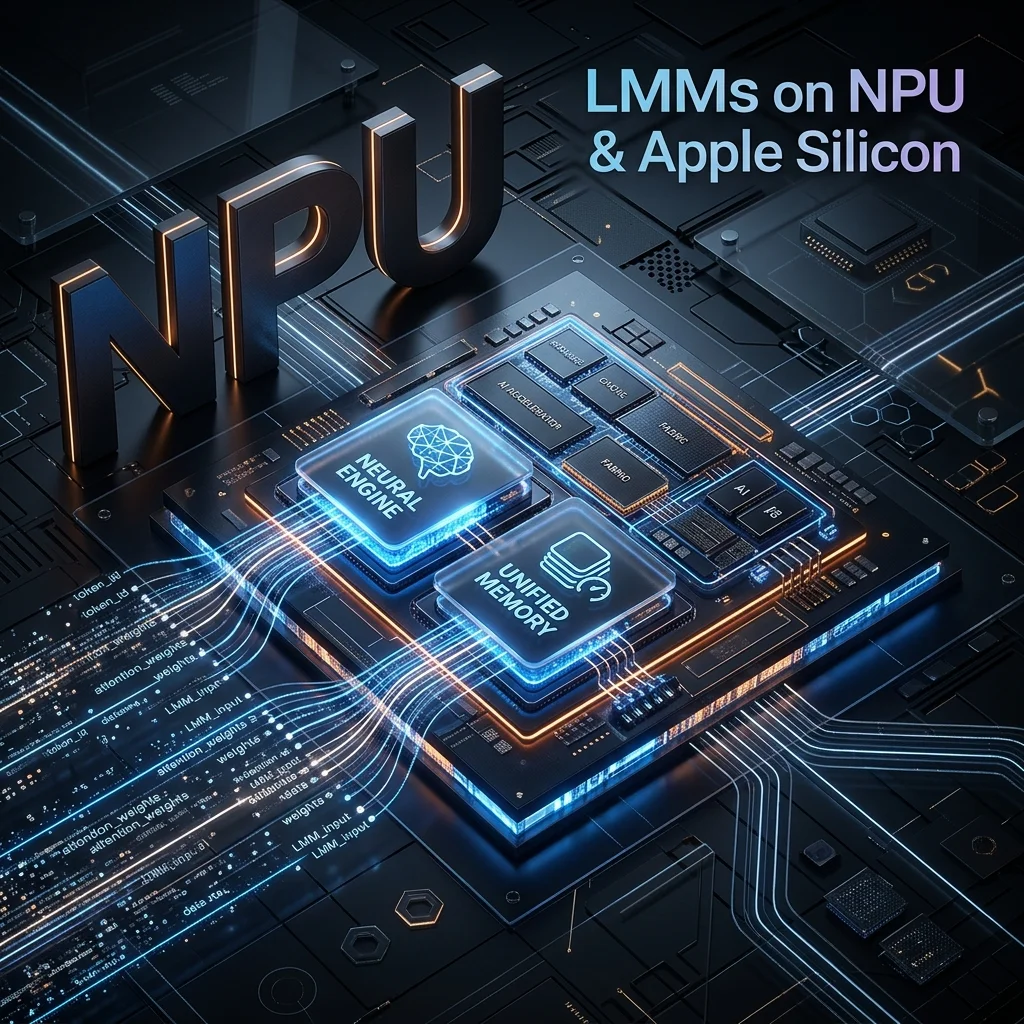
Running LMMs on NPU & Apple Silicon
The 2026 enterprise hardware stack is built on Unified Silicon. By leveraging the Apple Neural Engine (ANE) or dedicated enterprise NPUs, we can perform "Asynchronous Sensing"—where the vision transformer runs in the background, only interrupting the main CPU when a high-confidence intent is detected.
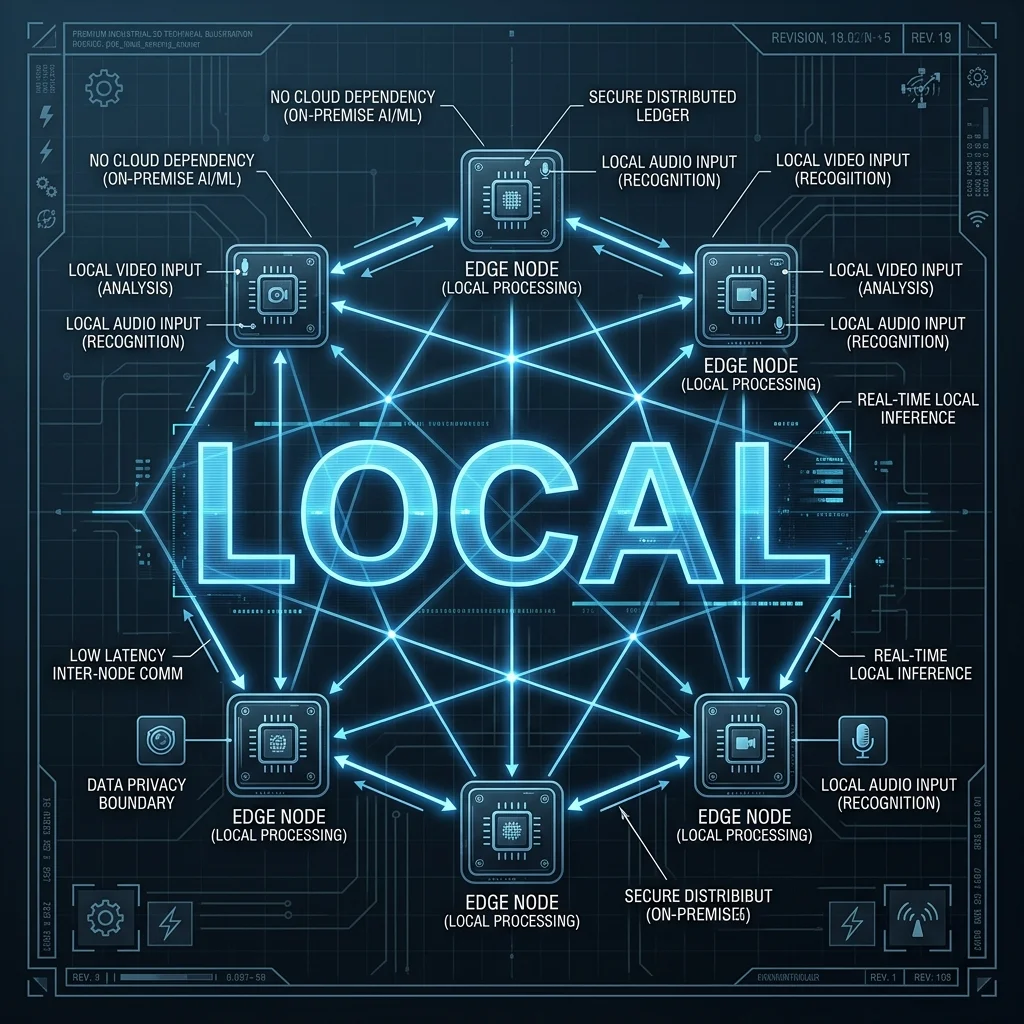
The Local Sensing Cluster
For massive industrial footprints (e.g., a 1M sq. ft. fulfillment center), a single edge node is insufficient. We utilize the Local Sensing Cluster architecture—a mesh of interconnected edge devices that distribute the perceptive workload. This ensures that even if one sensor is obstructed, the "Perception Web" maintains its 360-degree situational awareness.
Deployment Framework: The 4-Step Rollout
- Model Pruning: Removing redundant attention heads that aren't critical for the specific vertical.
- Quantization Calibration: Fine-tuning the Int8 weights using a representative sample of local sensory data.
- NPU Compilation: Optimizing the model graph for the specific silicon instruction set (e.g., CoreML, TensorRT).
- Latency Verification: Ensuring the "Sense-to-Action" loop remains under the 100ms mandate.
STRATEGIC FACT: 90% of the value in 2026 AI comes from the "Edge." If you can't sense and act locally, you are burdened by cloud costs and latency that render real-time perception impossible.
Step 6: Privacy & Data Sovereignty in Sensing
As an enterprise gains the ability to "See" and "Hear" everything, it assumes a massive ethical and legal burden. In 2026, Data Sovereignty is the primary barrier to multimodal scaling. To succeed, an enterprise must implement "Privacy-by-Architecture."
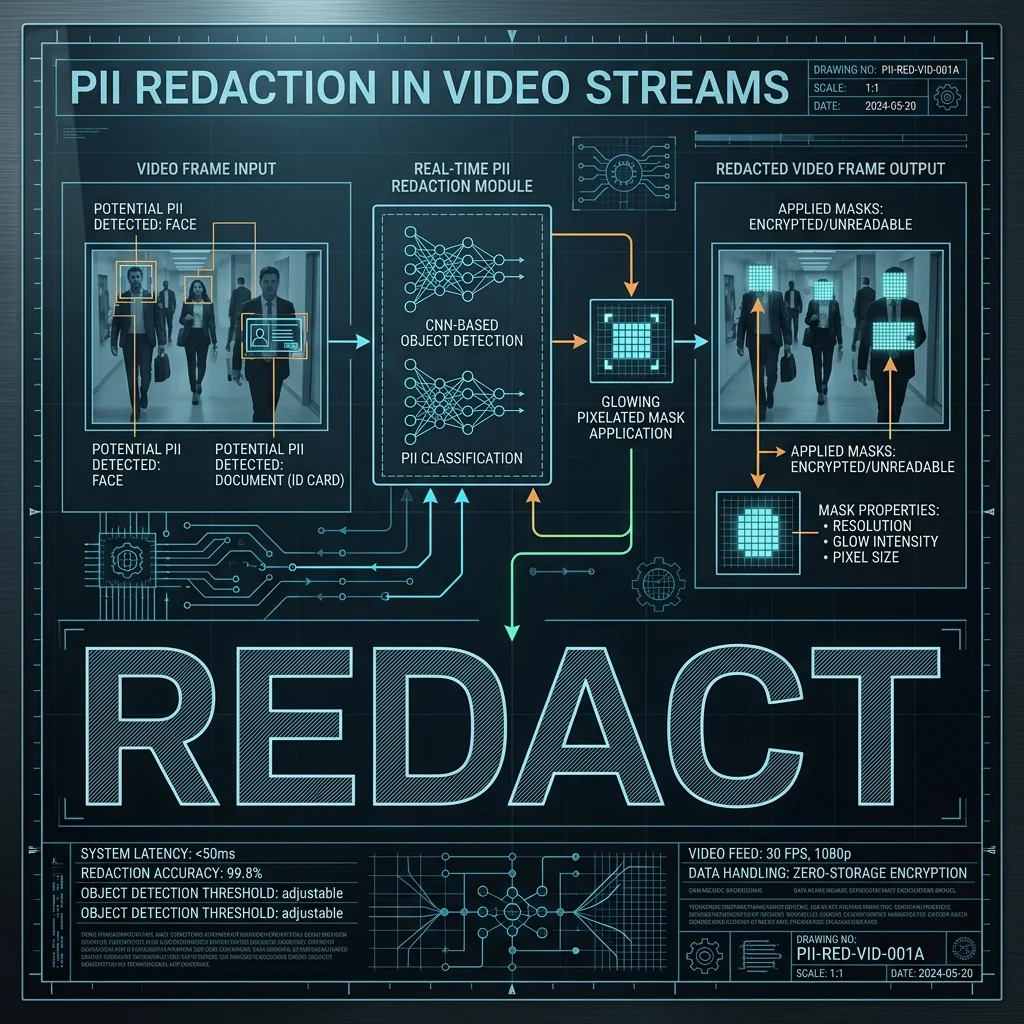
Real-Time PII Redaction
The most critical protocol in the Perceptive Enterprise is the Redaction Layer. Before a video frame is even tokenized, the local NPU identifies PII—faces, license plates, computer screens, and documents—and applies a "Neural Mask." This ensures that the AI only "sees" the context (e.g., "A person is standing by the door") without capturing the identity.
Codelab: Edge Redaction Filter (C++)
Industrial implementation for masking PII at 60fps on edge devices.
class="tok-cm">#include <opencv2/opencv.hpp>
class="tok-cm">#include <opencv2/dnn.hpp>

void applyNeuralMask(cv::Mat& frame, cv::dnn::Net& faceNet) {
    cv::Mat blob = cv::dnn::blobFromImage(frame, 1.0, cv::Size(300, 300), cv::Scalar(104.0, 177.0, 123.0));
    faceNet.setInput(blob);
    cv::Mat detections = faceNet.forward();

    class="tok-cm">// Iterate and apply Gaussian Blur to PII regions
    for (int i = 0; i < detections.size[2]; i++) {
        float confidence = detections.at<float>(0, 0, i, 2);
        class="tok-kw">if (confidence > 0.85) {
            int x1 = static_cast<int>(detections.at<float>(0, 0, i, 3) * frame.cols);
            int y1 = static_cast<int>(detections.at<float>(0, 0, i, 4) * frame.rows);
            int x2 = static_cast<int>(detections.at<float>(0, 0, i, 5) * frame.cols);
            int y2 = static_cast<int>(detections.at<float>(0, 0, i, 6) * frame.rows);

            cv::Rect roi(x1, y1, x2 - x1, y2 - y1);
            cv::GaussianBlur(frame(roi), frame(roi), cv::Size(99, 99), 30);
        }
    }
}
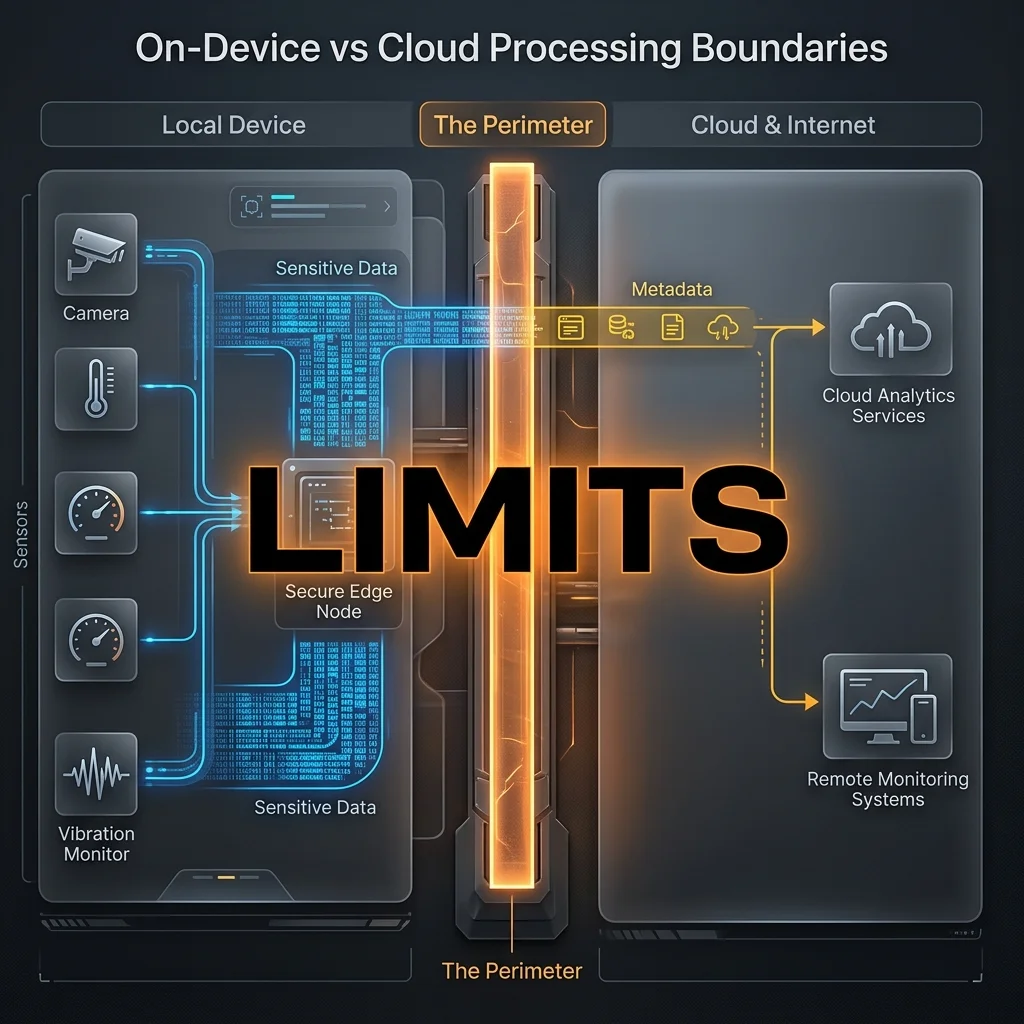
The Sovereignty Wall: On-Device vs Cloud
To prevent data exfiltration, we enforce a strict Perimeter Boundary. Raw sensory data—the high-fidelity video and audio frames—MUST NEVER leave the local device. Only the semantic metadata (the intent and context) is allowed to transit to the cloud for deeper analysis.
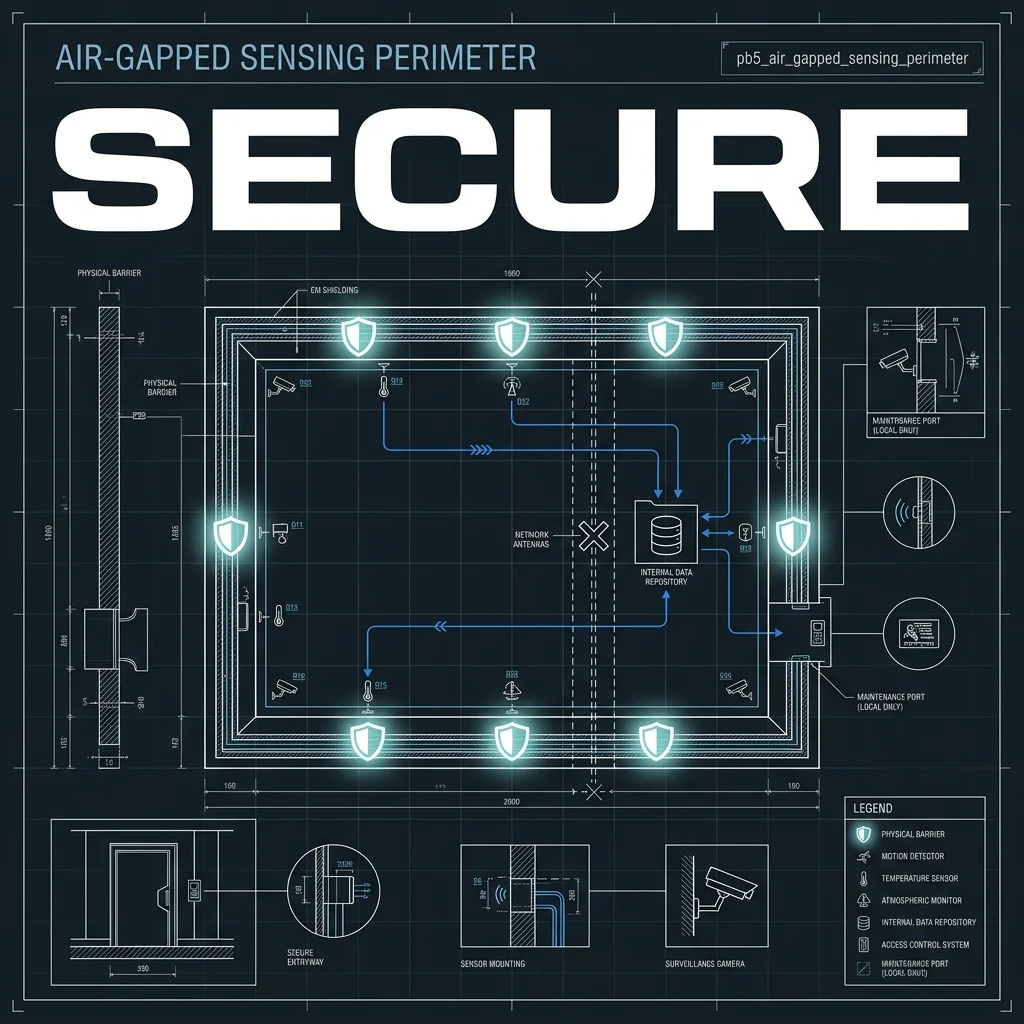
The Air-Gapped Sensing Perimeter
For ultra-secure environments (e.g., R&D labs, boardrooms, or government facilities), we mandate the Air-Gapped Sensing Perimeter. In this architecture, the entire multimodal stack—from the sensor to the LMM to the action agent—resides on a physically isolated network with zero external internet access. This is the only way to achieve "Absolute Sovereignty."
GOVERNANCE RULE: In 2026, a "Privacy Breach" is no longer just a database leak; it is a sensory leak. Architecture is the only defense.
Step 7: The 2030 Vision: Ambient Intelligence
By 2030, the "Sensing Loop" will disappear. It will no longer be something we "implement"; it will be the fabric of our environment. We call this Ambient Intelligence—a state where the enterprise itself is sentient, anticipating needs and mitigating risks before they materialize into data points.
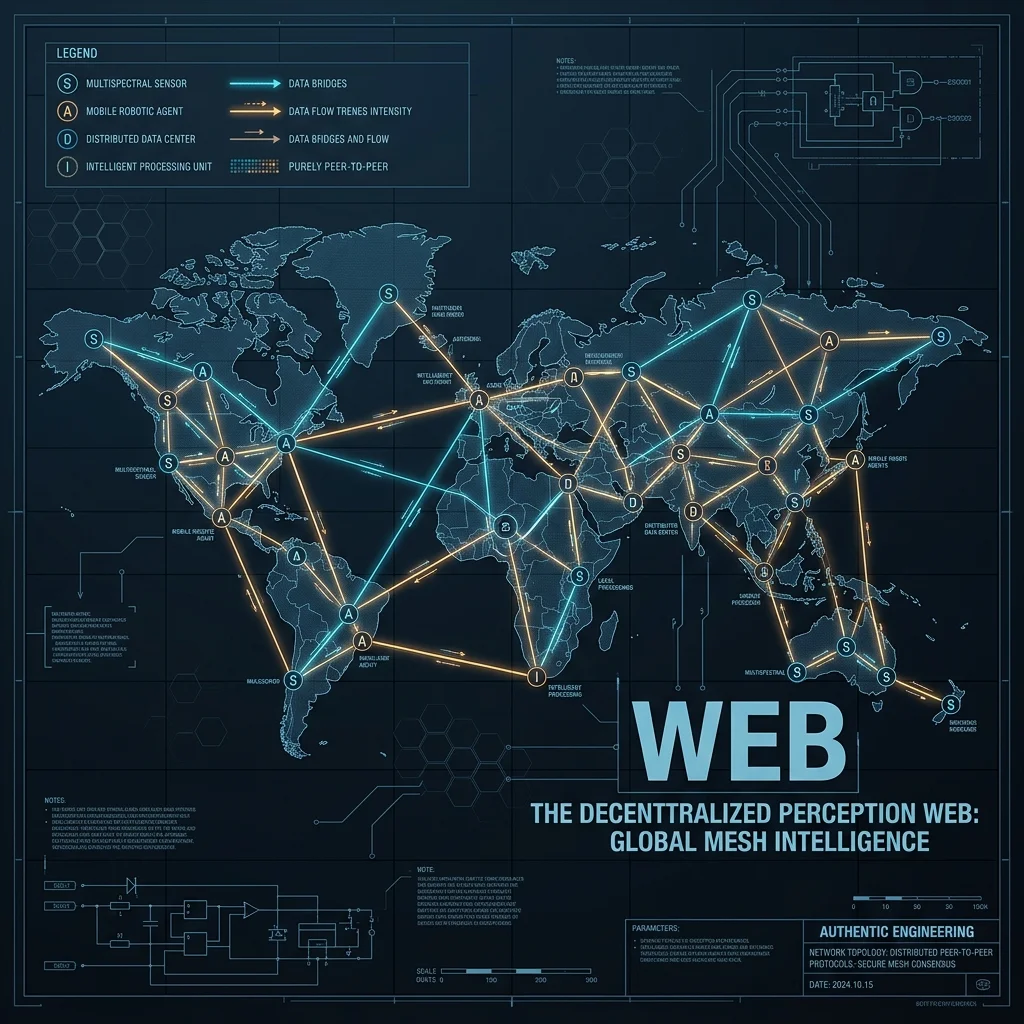
The Sentient Enterprise
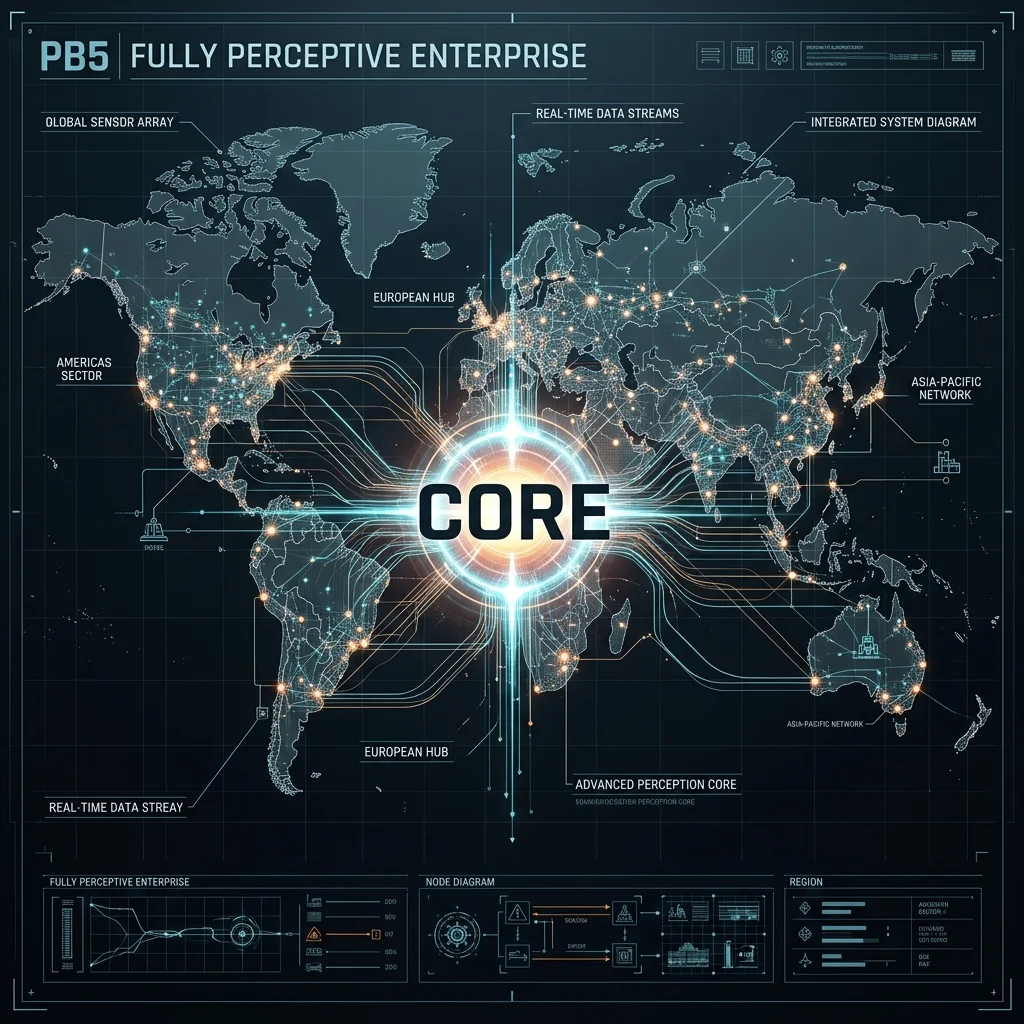
In this final evolution, the "Perception Core" is no longer a localized cluster but a global distributed ledger of sensory truth. Every interaction, from a warehouse robot sensing an obstruction to a virtual agent sensing a change in market sentiment, is fused into a single, real-time "Enterprise Consciousness."
- Self-Healing Logistics: Sensing delays before they happen and rerouting autonomously.
- Predictive Safety: Identifying fatigue in workers or stress in machinery via micro-vibrations.
- Omni-Channel Empathy: Sensing customer needs across physical and digital storefronts simultaneously.
AI-to-Agent Financial Transactions
As sensing becomes autonomous, the AI itself becomes an economic actor. Using Multimodal Evidence, an agent can verify the completion of a physical task (e.g., a delivery or a repair) and trigger a blockchain-based financial transaction instantly, without human oversight.
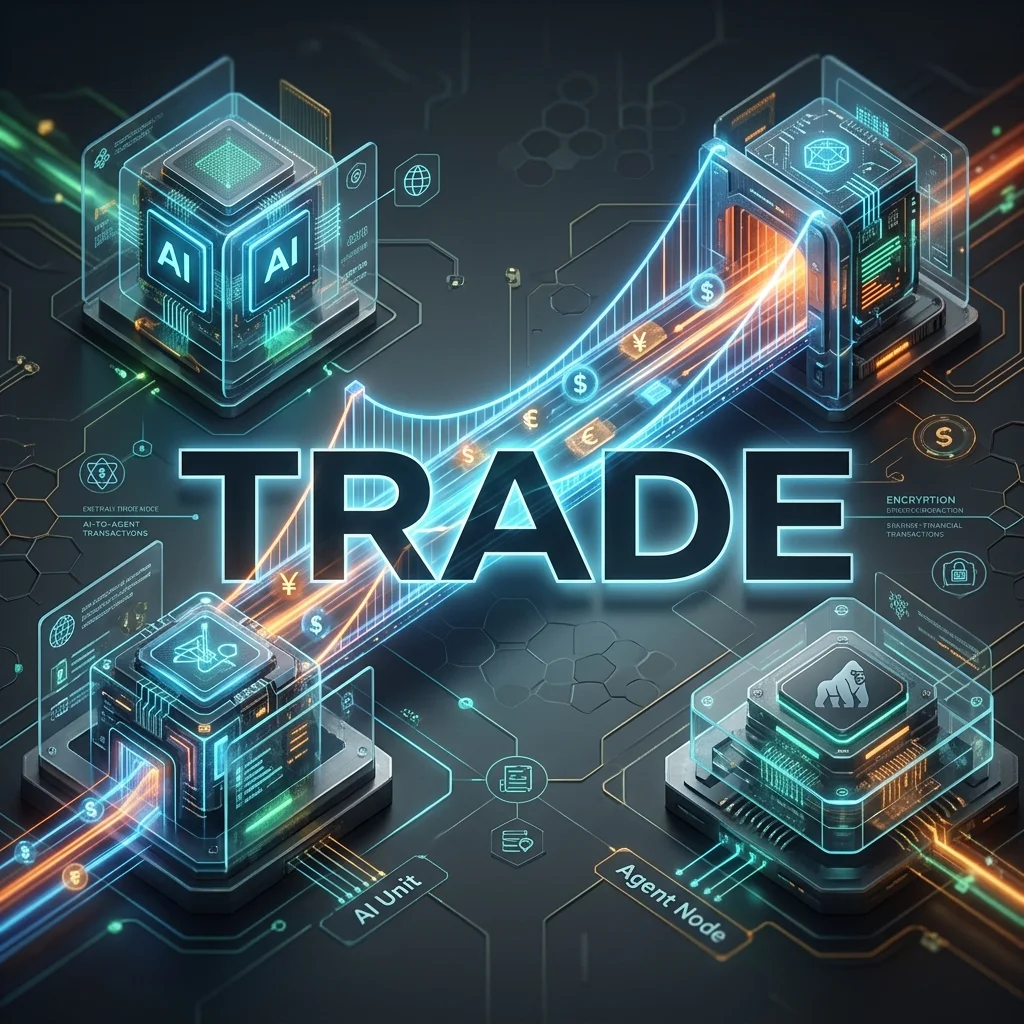
The Fully Perceptive Blueprint
This is the final state of the Perceptive Enterprise. A system that sees, hears, thinks, and acts as a unified entity, defined by the "Sovereign Perceptive Stack."
FAQ: The Perceptive Enterprise
- How do we handle "Sensory Overload"?
We utilize Semantic Pruning. Not every pixel is important. Our encoders are trained to only "attend" to tokens that signal a meaningful change in state.
- Is this just "Surveillance"?
No. Surveillance records; sensing perceives. Our architecture is designed to discard raw data and only retain "Intent," which is the fundamental difference between a security camera and an intelligence node.
- What is the first step for a mid-sized enterprise?
Start with Audio Tone Sensing in customer service or Acoustic Anomaly Detection on your most critical machinery. These have the highest ROI with the lowest initial hardware barrier.
STRATEGIC OVERVIEW (FINAL)
THE VERDICT
The Perceptive Enterprise is not a luxury; it is the baseline for competition in 2026. By architecting your "Eyes" and "Ears" today, you ensure that your business remains sentient in an era of autonomous agents.