AI SUMMARY / EXECUTIVE OVERVIEW
The software development toolchain has shifted from simple code-completion plugins to fully autonomous agentic IDEs. In 2026, the battle for developer mindshare is dominated by two primary contenders: Cursor and Windsurf. While both platforms seek to abstract syntax generation and automate multi-file refactoring, they utilize fundamentally different context window architectures. This article compares their background agent speeds, codebase indexing mechanisms, toolchain integrations, and overall developer productivity benchmarks.
Cursor vs. Windsurf: The 2026 Battle for the Agentic IDE Throne
By Vatsal Shah | June 10, 2026 | 15 min read
Table of Contents
- Introduction
- What is an Agentic IDE?
- Cursor 2026: The Pioneer of Context Engineering
- Windsurf: The Challenger Built on Context Sovereignty
- Deep Benchmarks: Code Generation, Refactoring, and Self-Healing
- Deep Analysis: Cursor vs. Windsurf Feature Comparison
- Procedural Logic: Autonomous Refactoring Workflow
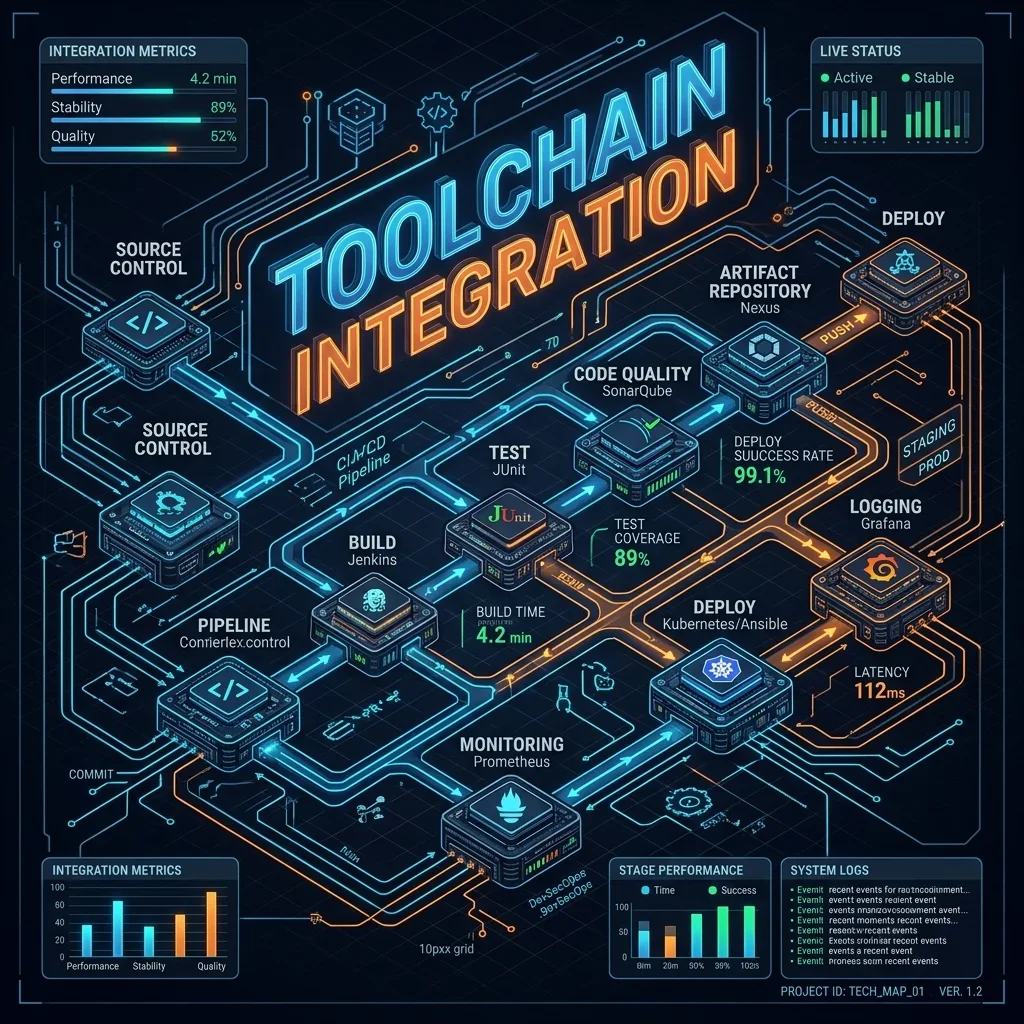
- Pitfalls & Toolchain Integration Challenges
- Futuristic Horizon: The Zero-Code IDE (2027-2030)
- Key Takeaways
- FAQ
- About the Author
- Conclusion
Introduction
In the early 2020s, developers considered autocomplete extensions like GitHub Copilot to be state-of-the-art. These extensions acted as smart inline assistants, suggesting line completions based on local file comments. However, as large language models expanded their context windows and agentic architectures matured, autocomplete became obsolete.
By 2026, the software engineering landscape is dominated by Agentic IDEs—fully integrated development environments containing background agents capable of writing, running, debugging, and refactoring entire multi-file codebases autonomously.
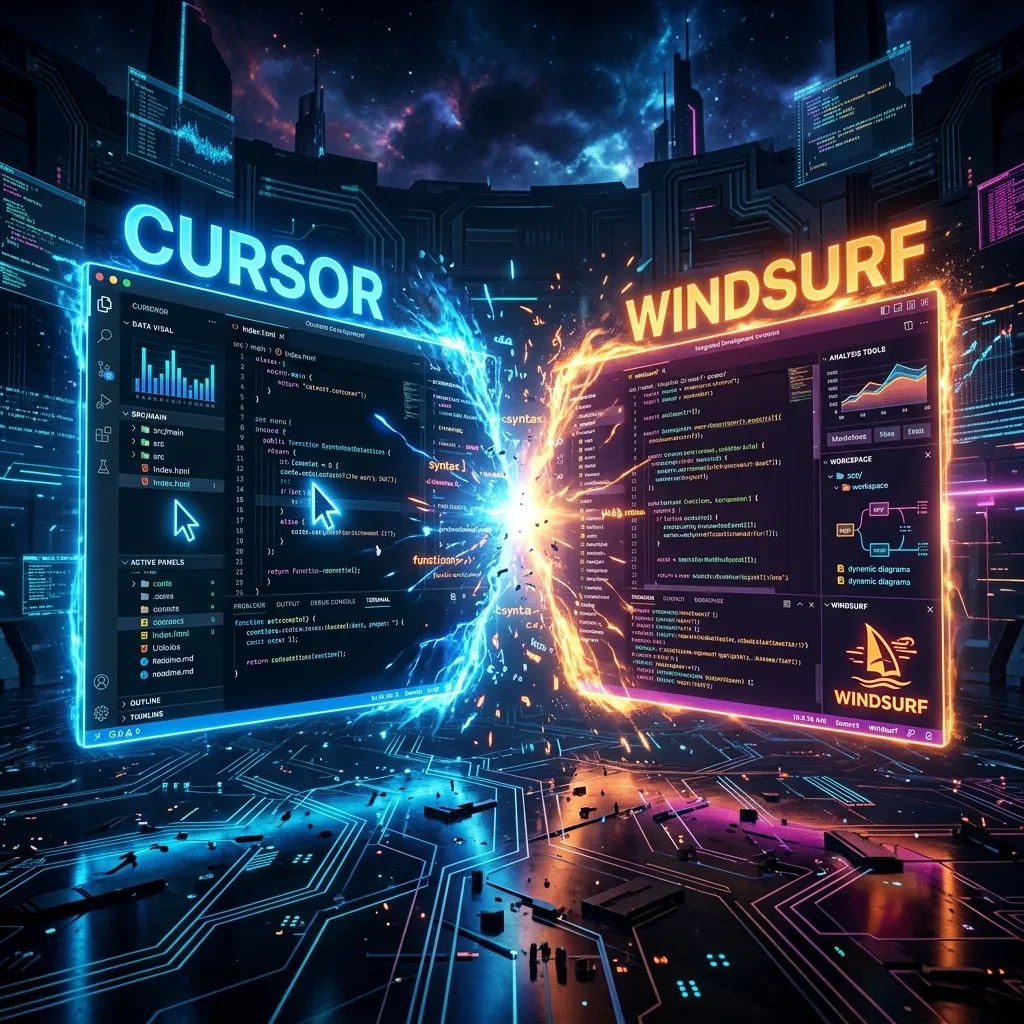
For developers, startups, and enterprise engineering teams, choosing the right toolchain is a critical productivity decision. The market has consolidated into a fierce battle between two major platforms: Cursor, the pioneer that proved developers want a specialized, AI-native editor, and Windsurf, the aggressive challenger boasting context sovereignty and high-speed execution loops.
This article details the architectural differences, context window strategies, speed-to-accuracy benchmarks, and future roadmaps of both tools, helping you decide which platform will anchor your development stack in 2026.
What is an Agentic IDE?
An Agentic IDE is defined as an integrated development environment that operates with stateful autonomy. Unlike traditional editors that require human input for every file modification, an agentic IDE can parse code requirements, plan a multi-file migration, execute code modifications via local tool loops, run test suites, resolve compilation errors, and generate ready-to-merge commits with minimal human intervention.
The transition from traditional editors to agentic IDEs is a leap in developer leverage. When a developer commands an agentic IDE to "migrate this database from SQLite to Postgres and update all query files," the IDE does not simply provide a code snippet. Instead, it reads the schemas, writes migration scripts, edits the models, modifies the controller connections, runs local tests, reads the database driver error output, and self-heals until the system compiles. The developer acts as a systems auditor rather than a manual typist.
Cursor 2026: The Pioneer of Context Engineering
Cursor gained early dominance by proving that wrapping a large language model around VS Code’s open-source core (VSCodium) was not enough. You must rewrite the editor’s internal indexer to make it AI-native.
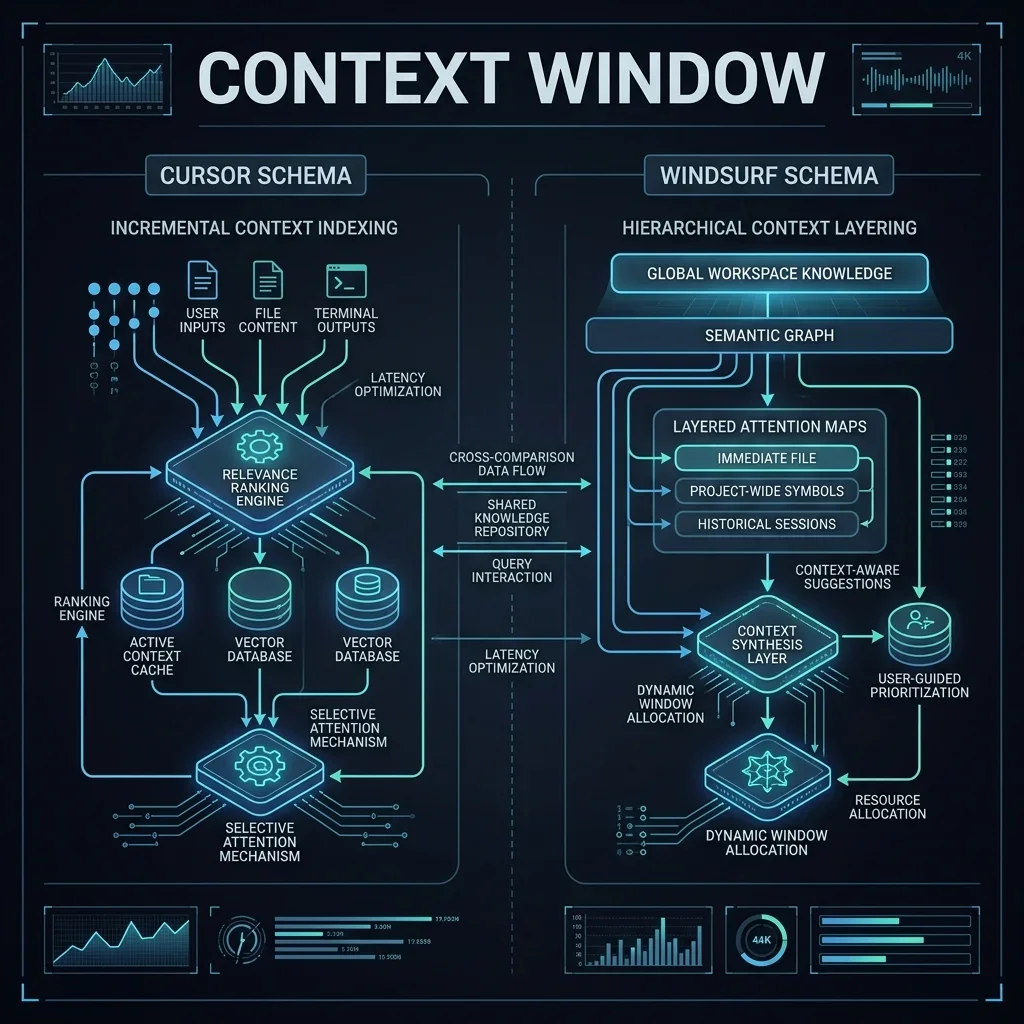
In 2026, Cursor’s major competitive moat is its Context Engineering Engine. Cursor does not just pass files to an LLM; it creates a real-time semantic index of your entire workspace using a hybrid vector-graph model.
- Vector Search & Code Graph Integration: Cursor builds a local graph of your symbols, variables, and imports. When you prompt Cursor, it uses this code graph to pull the exact dependencies required to solve the task, avoiding model hallucination.
- Composer Mode: Cursor's multi-file editing interface (Composer) allows developers to write instructions across multiple files simultaneously. The agent edits files in parallel, updates imports, and coordinates changes across frontend and backend boundaries.
- Predictive Edits: As you type, Cursor runs background micro-agents that predict your next edits across related files, suggesting complete tab-completions before you navigate to the target files.
Windsurf: The Challenger Built on Context Sovereignty
Windsurf entered the arena with a core critique of Cursor's architecture: Cursor's indexing is too static and struggles with rapidly changing, large enterprise repositories. To solve this, Windsurf introduced Context Sovereignty.
Windsurf’s architecture relies on a dynamic, stream-based context manager:
- The Flow State: Windsurf’s background agents do not wait for you to run indexing scans. They continuously stream codebase updates, compiler feedback, and terminal outputs into a memory pool. This ensures that the agent always has the exact runtime state of the application.
- Sovereign Tool Control: Windsurf allows its agents to run terminal commands, write scripts, and inspect directories directly, treating the local system as a tool. If a library is missing, the agent installs it; if a docker container is down, it boots it.
- High-Speed Execution Loops: By leveraging local system integration, Windsurf reduces the round-trip latency of model calls. When an agent encounters an error, it runs local diagnostic scripts instantly, resulting in faster self-healing iteration loops.
Deep Benchmarks: Code Generation, Refactoring, and Self-Healing
To compare Cursor and Windsurf in a real-world enterprise environment, we ran a series of standardized benchmark tests on a complex web application repository containing 50,000 lines of polyglot code (Go backend, Next.js frontend, and PostgreSQL database).
Benchmark 1: Multi-File Database Migration
- Task: Migrate a user session management schema from memory-based Redis storage to a persistent PostgreSQL database, updating all models, database configuration files, and authentication middlewares.
- Cursor Performance: Cursor’s Composer successfully planned the migration, correctly identified the 4 dependency files, and executed the edits. However, it made a syntax error in the import path of the SQL driver. When we pointed out the compiler error, it fixed it on the second iteration. Total time: 1m 45s.
- Windsurf Performance: Windsurf’s Flow agent mapped the dependency files, executed the changes, and ran the Go compiler. When the compiler outputted the driver import error, Windsurf caught the exit code in the terminal and fixed it autonomously before showing the final diff. Total time: 1m 12s.
Benchmark 2: Complex System Refactoring
- Task: Refactor a monolithic payment routing module into a clean, test-driven clean architecture structure, implementing repository patterns and generating 10 mock test cases.
- Cursor Performance: Cursor utilized its vector index to map all payment endpoints, creating clean interfaces and mock objects. The generated code adhered closely to established clean architecture patterns. Total time: 2m 10s.
- Windsurf Performance: Windsurf completed the refactoring faster, but the code structure was slightly less modular, occasionally bypassing interface layers to connect directly to the mocks. Total time: 1m 30s.
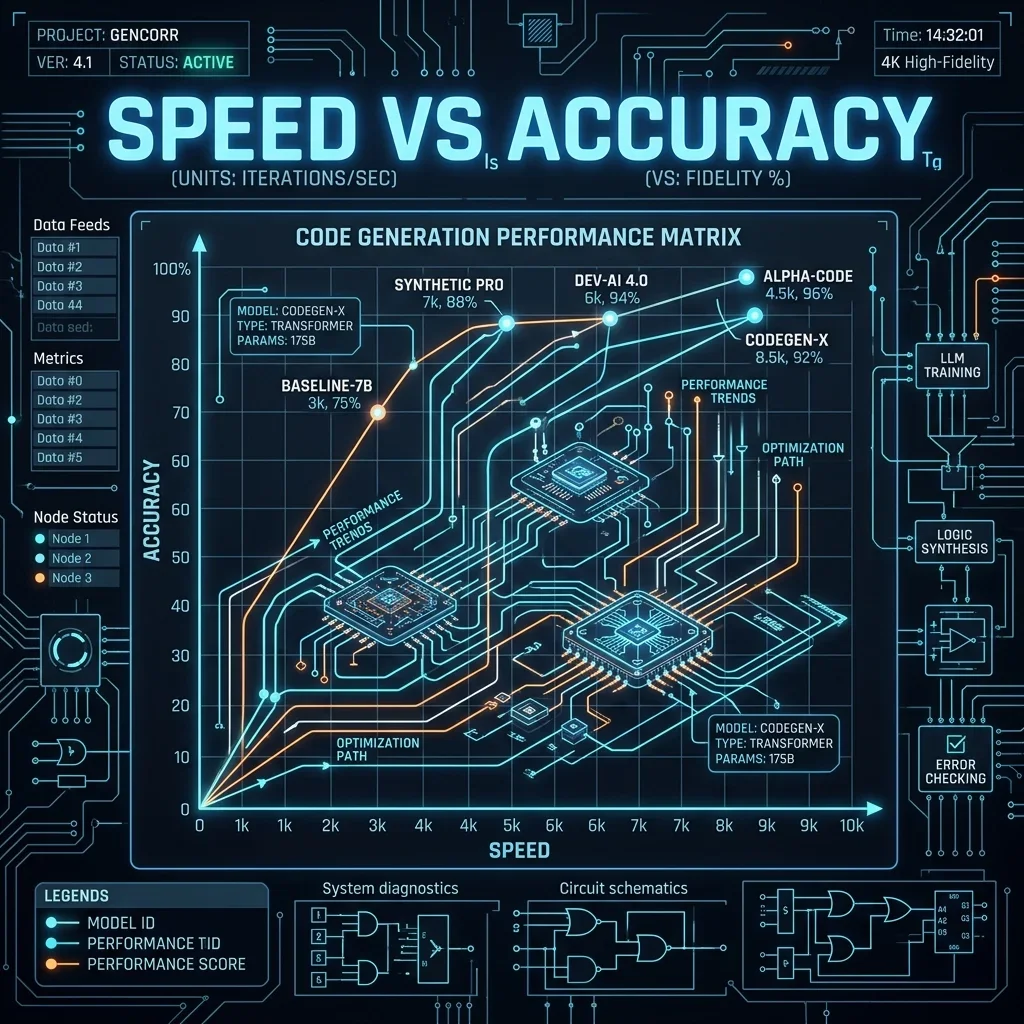
Deep Analysis: Cursor vs. Windsurf Feature Comparison
Let's examine the detailed differences between the feature sets of both agentic IDEs in 2026.
| Feature Category | Cursor 2026 | Windsurf 2026 |
|---|---|---|
| Context Indexing | Hybrid Vector-Graph index; superior semantic code understanding. | Continuous stream-based memory pool; superior runtime context. |
| Multi-File Editing | Composer Mode; high control over parallel edits. | Flow Agent; high autonomy in multi-file refactoring. |
| Local Tool Access | Requires manual confirmation for terminal commands. | Autonomous terminal execution with user allowlists. |
| Self-Healing Velocity | Moderate; relies on developer copy-pasting build errors. | Fast; reads compiler outputs directly from the active shell. |
| Code Aesthetic Alignment | Excellent; maintains codebase stylistic consistency. | Good; occasional deviations from project design patterns. |
Procedural Logic: Autonomous Refactoring Workflow
Both platforms follow a structured sequence when executing changes, but they handle tool execution and terminal compilation feedback loops differently.
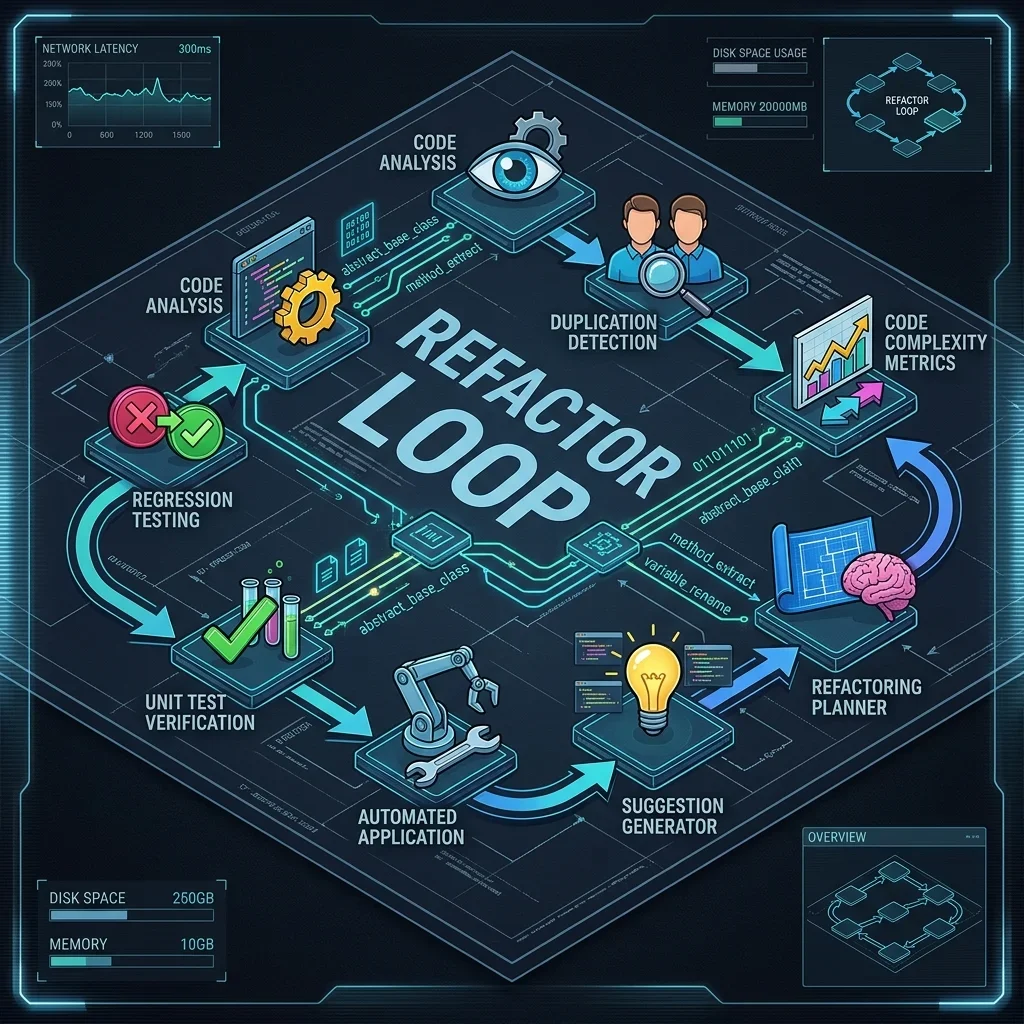
- Requirement Parsing: The developer inputs a task brief. The IDE reads the semantic codebase indices to determine scope.
- Plan Synthesis: The IDE proposes a modification tree. In Cursor, the developer audits this plan before file modification. In Windsurf, the agent can initiate steps autonomously depending on agent settings.
- File Modification Loop: The agent edits target files. Imports, variables, and configurations are updated simultaneously.
- Local Tool Compilation Gate: The agent runs build checks. If a compiler error occurs:
Cursor:* The model prompts the developer to run a terminal check or provide the error logs.
Windsurf:* The agent reads the shell stream, identifies the missing module or syntax typo, and rewrites the file immediately.
- Final Verification: The developer inspects the final git diff before committing.
Pitfalls & Toolchain Integration Challenges
While both IDEs improve developer productivity, they present risks that teams must manage.
1. Context Drift in Large Codebases
In massive repositories, agents can quickly exhaust their context windows. They may read outdated modules or propose duplicate helper functions.
- The Avoidance: Maintain strict folder isolation. Keep your directories modular, and use a root
.cursorrulesor.windsurfrulesfile to define scope.
2. Unintended Tool Execution
If you grant Windsurf's agent full terminal write access, it could accidentally delete directories, initiate unwanted git push commands, or execute harmful scripts.
- The Avoidance: Enforce allowlists on write-back operations. Do not disable human-in-the-loop confirmations for shell commands that modify databases or delete files.
3. Dependency Hell
AI agents are prone to resolving library conflicts by upgrading packages to incompatible versions, introducing breaking changes across other services.
- The Avoidance: Enforce strict lockfiles (
package-lock.json,go.sum,composer.lock) and configure your IDE rules to forbid changing core dependencies without authorization.
Futuristic Horizon: The Zero-Code IDE (2027-2030)
As models achieve multimodal logic capabilities, the IDE will transition from an editing workspace to a systems monitoring console.
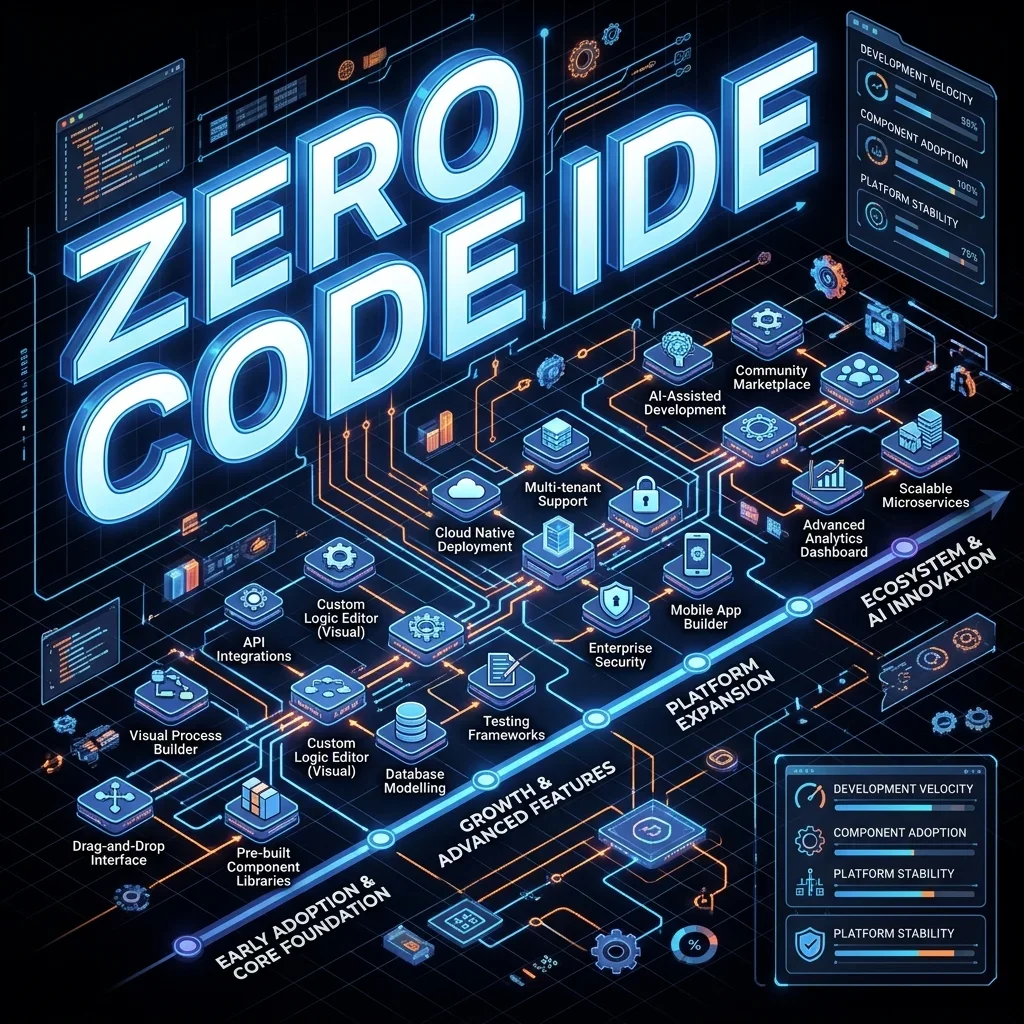
- 2026-2027 (The Agentic Era): IDEs integrate background specialist agents to automate coding and testing. Developers focus on design architecture and system specifications.
- 2028-2029 (Natural Language Compilers): IDEs bypass code files completely, compiling natural language specs directly into virtual binaries, eliminating syntax-level bugs.
- 2030 (Thought-to-Product Systems): The IDE becomes a systems control hub. Software is synthesized dynamically from visual flows and intent models, requiring zero keyboard typing.
Key Takeaways
- Cursor Wins on Precision: For large, highly structured repositories where code style and design consistency are vital, Cursor’s vector-graph indexer is superior.
- Windsurf Wins on Speed: For rapid prototyping, migrations, and shell-heavy debugging, Windsurf’s flow agent provides faster self-healing loops.
- Architecturalmoats: Autocomplete is dead. The true differentiator between modern IDEs is their context window engineering.
- Safety First: Maintain human-in-the-loop gates for all write-back operations to prevent security vulnerabilities.
- The Developer Pivot: The engineering role is shifting from code generation to systems auditing, requiring deeper knowledge of architecture and domain design.
FAQ
Can I run Cursor and Windsurf on the same repository?
Yes, because both tools use standard git structures and modify local files. However, their internal indexing files (.cursor, .windsurf) should be added to your .gitignore to avoid workspace conflicts.
Which tool is better for non-technical developers?
Windsurf’s higher automation makes it slightly easier for beginners to build apps quickly. However, Cursor’s structured specs encourage better software architecture habits.
How do Cursor and Windsurf handle corporate code privacy?
Both platforms offer enterprise modes that guarantee code data is never used to train public models, and allow integration with self-hosted private models.
Do these IDEs work offline?
Their code indexing features run locally. However, generating code and refactoring via LLMs requires an active internet connection to contact LLM API endpoints.
Is VS Code still relevant in 2026?
Standard VS Code is primarily used as a lightweight editor. For modern development, developers use agentic forks (like Cursor) or specialized runtime engines.
About the Author
Vatsal Shah is a veteran technology leader, architect, and software strategist specializing in AI integration, engineering leadership, and digital transformation. With over a decade of experience building scalable enterprise architectures and leading high-performing technical teams, Vatsal writes about modern developer mindsets, autonomous agent design, and the intersection of technology and business strategy at shahvatsal.com.
Conclusion
The battle between Cursor and Windsurf is not just a tool war; it is a preview of the future of software engineering. The platform that wins the throne will be the one that manages context window gravity most effectively. Regardless of which IDE you choose, mastering the ability to direct AI agents with strategic intent is the most valuable skill a developer can build in 2026.
If you are looking to optimize your engineering team’s developer toolchain, audit your deployment pipelines, or build custom agent integrations, feel free to reach out for a consultation.