Enterprise MCP & Private Agent Integration — Connect AI Agents to Internal Systems Safely
By Vatsal Shah · 2026-06-01 · AI Infrastructure / Integration
Table of Contents
- The Problem: The Integration Backlog and Public Cloud Exposure
- Target Audience: Engineering Leaders, CIOs, and Security Operations
- Our Solution Approach: Enterprise Model Context Protocol Architecture
- Key Features & Outcomes: The Governance Catalogs & Secure Tunnels
- Architecture Overview: The Gated Execution Flow
- Real-World Use Cases: Logistics and Financial Operations
- Measurable Benefits: The Value Scorecard
- Technical Stack: Polyglot Integration Framework
- Implementation Approach: The 90-Day Execution Roadmap
- Key Takeaways & FAQ
The Problem: The Integration Backlog and Public Cloud Exposure
Connecting autonomous AI agents to internal enterprise systems is the next frontier of business automation. CTOs and product teams want their agents to analyze client histories, retrieve invoice details from ERP databases, update ticketing systems, and coordinate cross-system actions. But when platform teams attempt to implement these features, they hit a brick wall: the enterprise security perimeter.
For decades, security departments have operated on a zero-trust model. They block all inbound ports, inspect outbound traffic, and require strict API authentication. If an agent hosting provider—operating in a public cloud—needs to query your on-premises SAP database, security teams require you to expose an inbound HTTPS endpoint, configure firewall holes, and register public API keys.
I've audited multiple corporate integration attempts, and this is where projects stall. Exposing internal databases directly to the public internet violates security compliance policies (such as SOC 2, ISO 27001, and HIPAA). The security approval process for a single inbound endpoint can drag on for six months, creating an integration backlog measured in quarters.
Furthermore, direct API integrations create fragile, tightly coupled systems. If you write custom connectors for each database and model combination, a schema update on the database breaks the agent's tool call, while a model version upgrade requires rewriting the prompt mapping. The resulting system is difficult to maintain and prone to failures.
To bypass these security blocks, developers often deploy unverified local tunnels (such as ngrok) to connect agents to internal APIs. This "Shadow Connection" practice introduces severe compliance risks, bypassing corporate firewalls and exposing networks to external attacks. Exposing database credentials inside public model prompts also risks leaking proprietary data, as public model providers may train future models on these inputs.
What organizations need is an architecture that allows agents to query internal databases securely, without exposing inbound ports, without routing traffic through public tunnels, and without creating custom API connectors.
The Security Implications of direct API exposures
To understand why security teams block direct API integrations, consider the mechanics of a typical tool call. When an agent decides to write an update to a database, it generates a JSON payload containing the database command (e.g., a SQL update query) and transmits it to the host client.
If the host executes this query directly using broad database credentials, the agent inherits those administrative privileges. If the model experiences a prompt injection attack, it can be forced to execute a destructive query.
Without a security gateway to inspect the query, validate the database schemas, and enforce access controls, the agent operates with root privileges on your network. A single model hallucination or injection exploit can corrupt your database, exfiltrate user tables, or shut down critical operations, turning an automation pilot into a corporate disaster.
Target Audience: Engineering Leaders, CIOs, and Security Operations
To design a successful integration program, you must align the priorities of three distinct stakeholders in the enterprise:
1. The Security Architect (Zero Inbound Policy)
- Primary Pain Point: Fear of inbound port exposure, data exfiltration, and privilege creep.
- Goal: Maintain a zero-trust perimeter, block all public tunnels, and ensure all AI interactions are audited.
- Metric: Zero unauthorized database accesses and 100% compliance with ISO 27001 parameters.
2. The Platform Engineer (Integration Backlog)
- Primary Pain Point: The manual effort required to write custom API adapters, map schemas, and debug model tool calls.
- Goal: Build a standardized, reusable integration layer that developers can leverage without waiting on network approvals.
- Metric: Reduce integration time-to-delivery from months to days.
3. The Chief Information Officer (ROI & Time-to-Market)
- Primary Pain Point: High development costs, low automation ROI, and competitors shipping AI features faster.
- Goal: Scale autonomous agent workflows across ops, finance, and support to reduce headcount costs.
- Metric: Maximize token efficiency, reduce process cycle times, and accelerate product launch windows.
By aligning these priorities, you shift compliance from an engineering blocker to a platform feature, allowing developers to build features within secure, pre-approved boundaries.
Our Solution Approach: Enterprise Model Context Protocol Architecture
The Model Context Protocol (MCP)—originally open-sourced by Anthropic and governed under the Linux Foundation's Agentic AI Foundation—is the standardized interface for connecting AI models to data sources. Think of MCP as the "USB-C layer" for AI tools. Instead of writing custom connectors for every model and database, you write a standard MCP server for your database, and any MCP-compliant client can query it immediately.
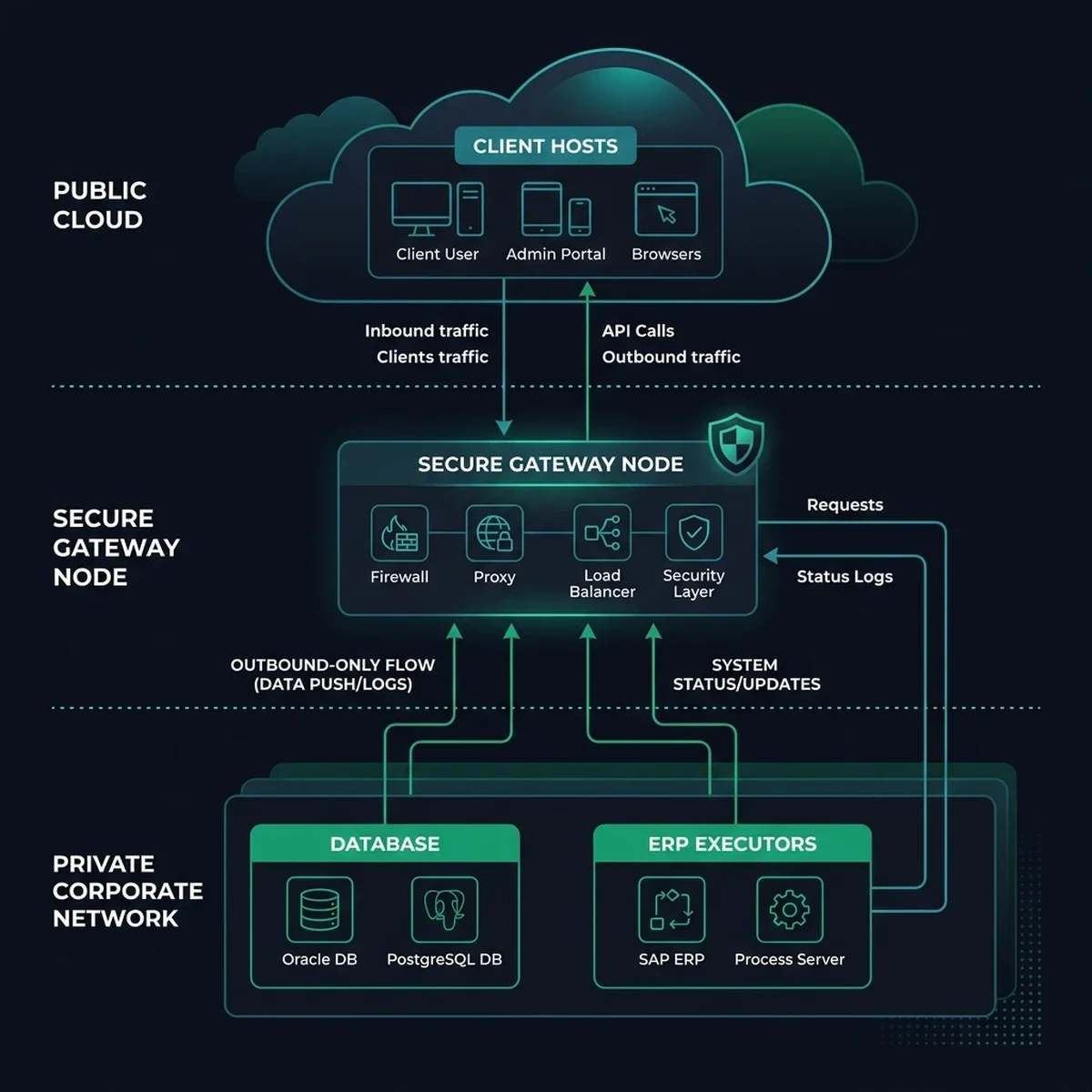
Our enterprise solution utilizes the Outbound-Only MCP Gateway pattern. This architecture resolves the security block by reversing the connection direction:
- The Private MCP Server: Runs inside your secure, private network, directly adjacent to your database or ERP system.
- The Outbound Gateway: Instead of opening an inbound port, the private server establishes an outbound-only persistent connection (SSE or WebSockets) to the secure gateway hosting your agent client.
- The Secure Tunnel: All tool calls and data responses are routed through this encrypted, outbound-only tunnel.
Because the tunnel is established from the inside out, you do not need to open any inbound firewall ports. The security perimeter remains completely closed.
Furthermore, the gateway enforces strict Tool Gating & Verification. Every tool request generated by the agent is inspected against an allow-list of schemas, and high-risk operations (such as database updates) are held in an approval queue until authorized by a human supervisor. This guarantees that agents operate within restricted permissions, neutralizing prompt injection risks.
The Threat Model of Prompt Injection in Direct Tool Access
When an autonomous AI agent is given direct access to database connections or API tokens, it becomes a high-value target for security exploits. Prompt injection represents the primary attack vector. In a prompt injection attack, an external actor introduces malicious instructions into the model's context window—often through untrusted user inputs, customer support chat tickets, or email attachments. The model, failing to separate its core instructions from untrusted data, interprets the injected text as a command, hijacking the agent's behavior.
If the agent has direct connection handles to internal systems, a hijacked model can be forced to execute destructive actions:
- Data Exfiltration: The model is instructed to write a query retrieving all records from the
usersorsalariestables and output them to a public endpoint or email address. - Resource Exhaustion: The model executes heavy join queries or infinite loops that lock database tables, causing a denial of service (DoS) for the entire company.
- Privilege Escalation: By exploiting weaknesses in the database connection string or user scopes, the model attempts to alter its own security level or create new administrator logins.
Traditional tools like WAFs cannot detect these attacks because queries appear structurally valid and originate from trusted nodes. Standard signature scanners cannot identify malicious intent within natural language context. Our architecture resolves this by introducing a gateway layer that validates tool commands against strict schemas and user contexts before they reach internal networks.
The Operational Friction of Firewall Approvals
In any large enterprise, requesting a new inbound port or a public API firewall exception triggers a multi-stage review process involving the network security team, compliance officers, and platform architects. This process is designed to minimize the company's attack surface, but it introduces massive friction:
- The Architecture Review Board (ARB): Platform teams must document the network path, specify IP ranges, and defend the security posture of the connection.
- Vulnerability Scanning: The target database host must undergo external penetration testing to verify it will not expose adjacent network nodes.
- Certificate Management: Establishing public endpoints requires managing domain DNS entries, renewing SSL/TLS certificates, and configuring API gateways.
This process can take months for a single database. When developers want to connect an agent to ten different databases, the backlog becomes insurmountable, stalling automation projects. The outbound-only gateway pattern resolves this operational friction. Because the connection is established internally by a local service pushing outwards to a pre-approved secure cloud gateway over HTTPS, no inbound firewall ports are opened. Security teams can approve a single outbound-only tunnel architecture once, allowing platform teams to connect new internal data sources dynamically using standardized MCP schemas, completely bypassing the network approval backlog.
Key Features & Outcomes: The Governance Catalogs & Secure Tunnels
To scale agentic integrations safely, we build four foundational capability blocks within our platform:
1. Private MCP Server Strategy & Catalog Design
Instead of allowing developers to write ad-hoc tool definitions directly inside prompts, we introduce the Enterprise Tool Registry. All tools are encapsulated within modular MCP servers hosted on our private network.
The registry enforces:
- Strict Allow-Lists: Models can only access tools that are registered and assigned to their execution scope.
- Semantic Versioning: Schema modifications are semantically versioned. A breaking change in a database schema triggers a validation check, preventing agent failures.
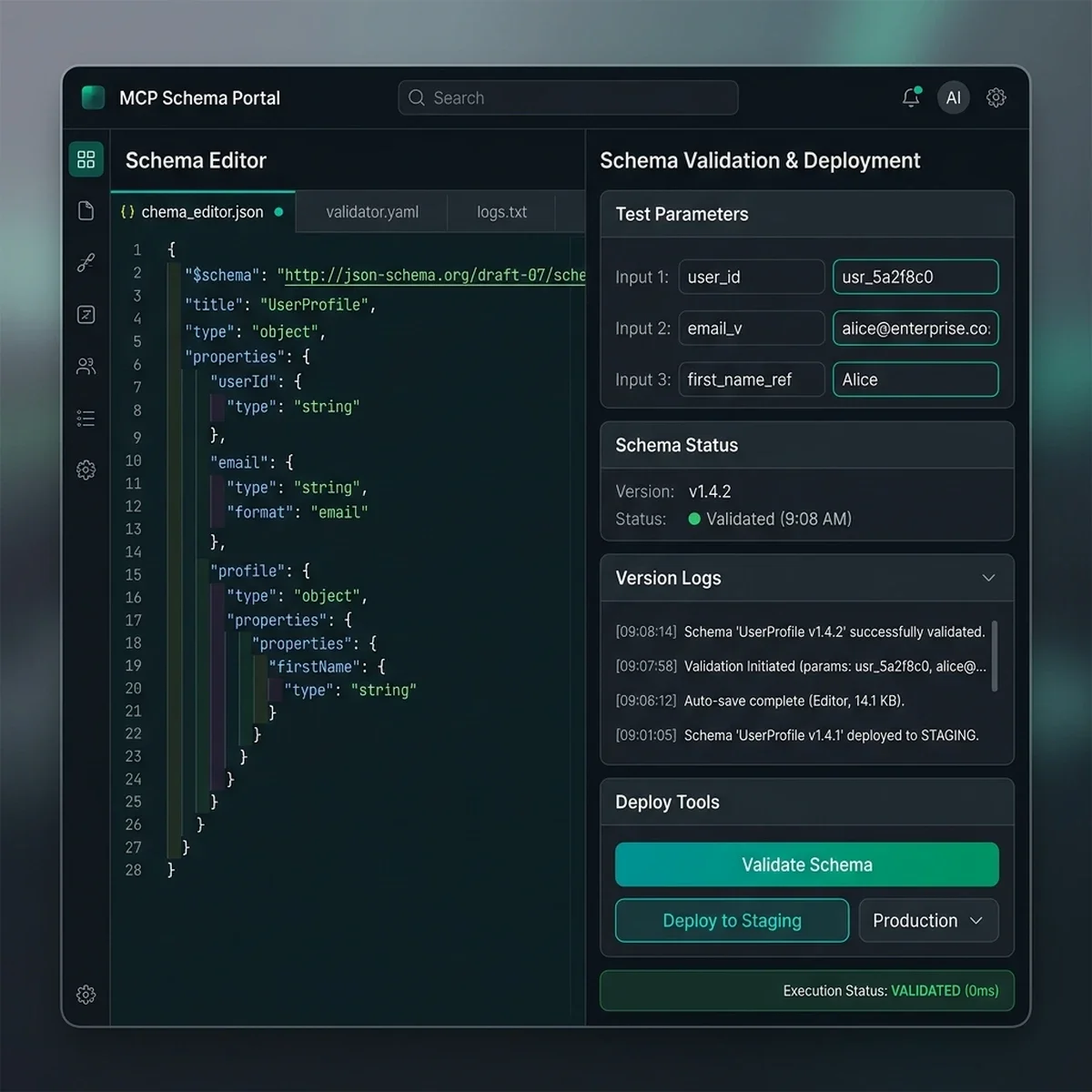
- Input Schema Validation: Every incoming tool call is validated against the registered JSON schema before reaching the destination service.
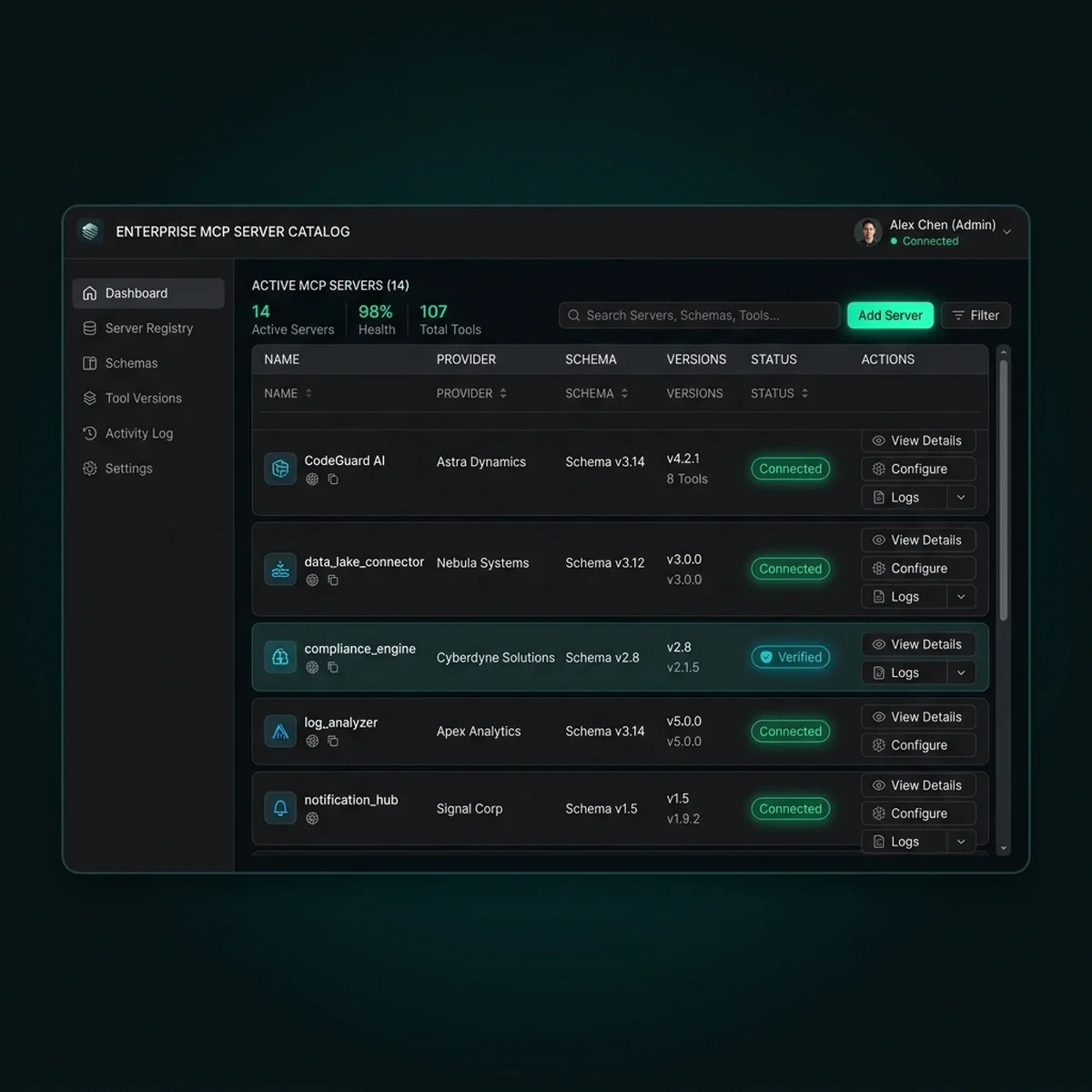
By managing tools as a catalog, you ensure that security teams can audit the entire capability surface of your AI agents. If a tool is flagged as insecure, it can be disabled globally in the registry with a single click, instantly cutting agent access across all applications.
2. Outbound-Only Cryptographic Tunnels
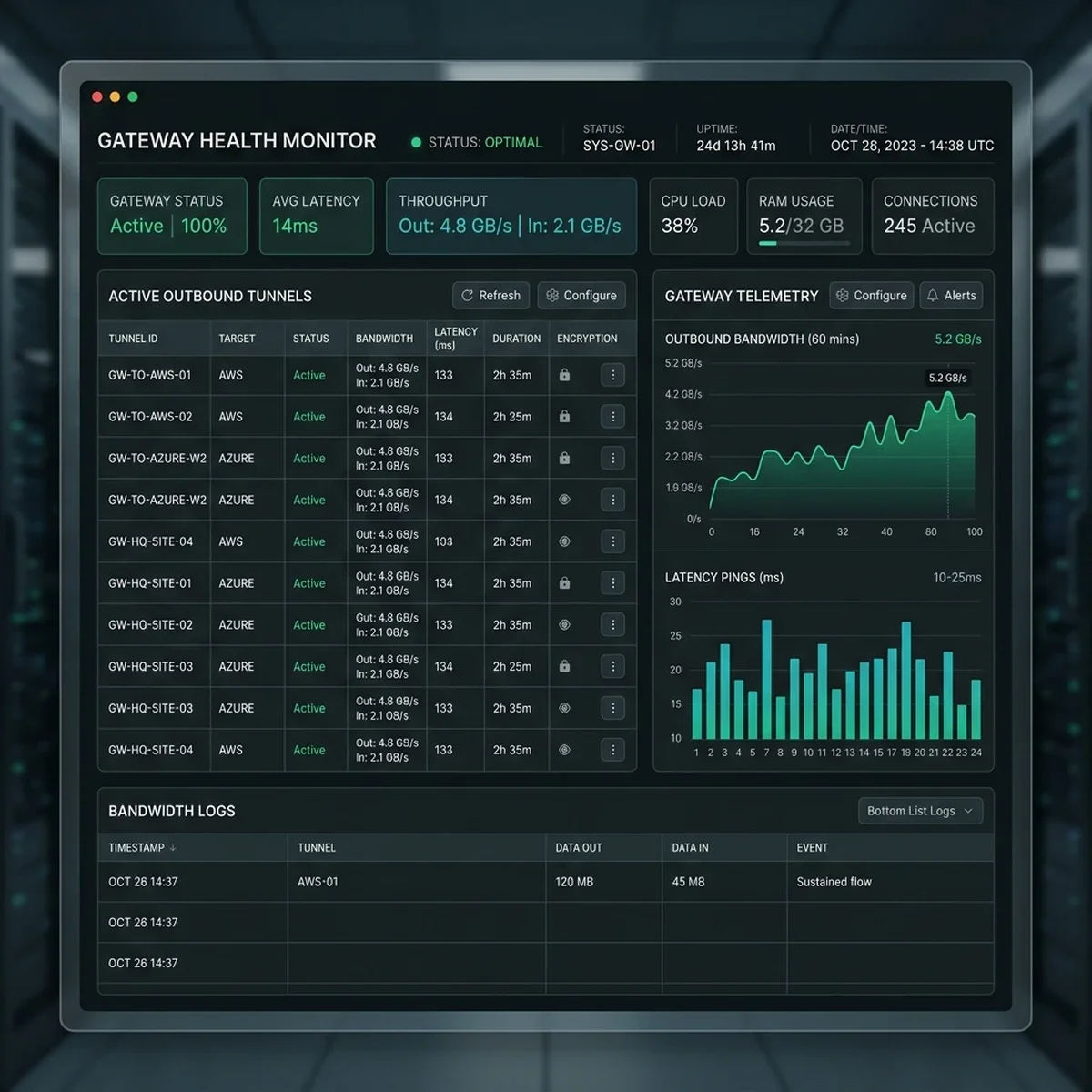
The core transport layer of our architecture utilizes outbound-only tunnels to bridge the network gap. The private MCP server establishes a persistent connection to the cloud-hosted gateway using Server-Sent Events (SSE) or secure WebSockets (WSS).
This setup has key benefits:
- No Inbound Openings: The firewall blocks all external requests. The tunnel operates over standard outbound ports (usually 443).
- Mutual TLS (mTLS): The connection is encrypted and authenticated using mutual TLS, ensuring that only verified servers can connect to the gateway.
- Just-In-Time Tunneling: Tunnels are only active during task execution. If the agent goes idle, the private server closes the connection, reducing the exposure window.
By reversing the connection direction, we satisfy the security group's core requirement: zero open inbound ports on the enterprise database network.
3. Identity, Auditing, and Human-in-the-Loop Gates
Every tool transaction passing through the gateway is logged and authorized:
- Propagation of Identity: The gateway does not run queries under a single administrative credentials account. Instead, it propagates the calling user's OAuth/OIDC token in the metadata headers. The database executes the query under the user's security context.
- Anonymized Audit Ledger: The gateway redacts PII from prompts and logs before writing to the database, ensuring compliance with privacy rules.
- Human-in-the-Loop Gating: Tools are classified by risk. Low-risk operations execute automatically, while high-risk writes are held in an approval queue until verified.
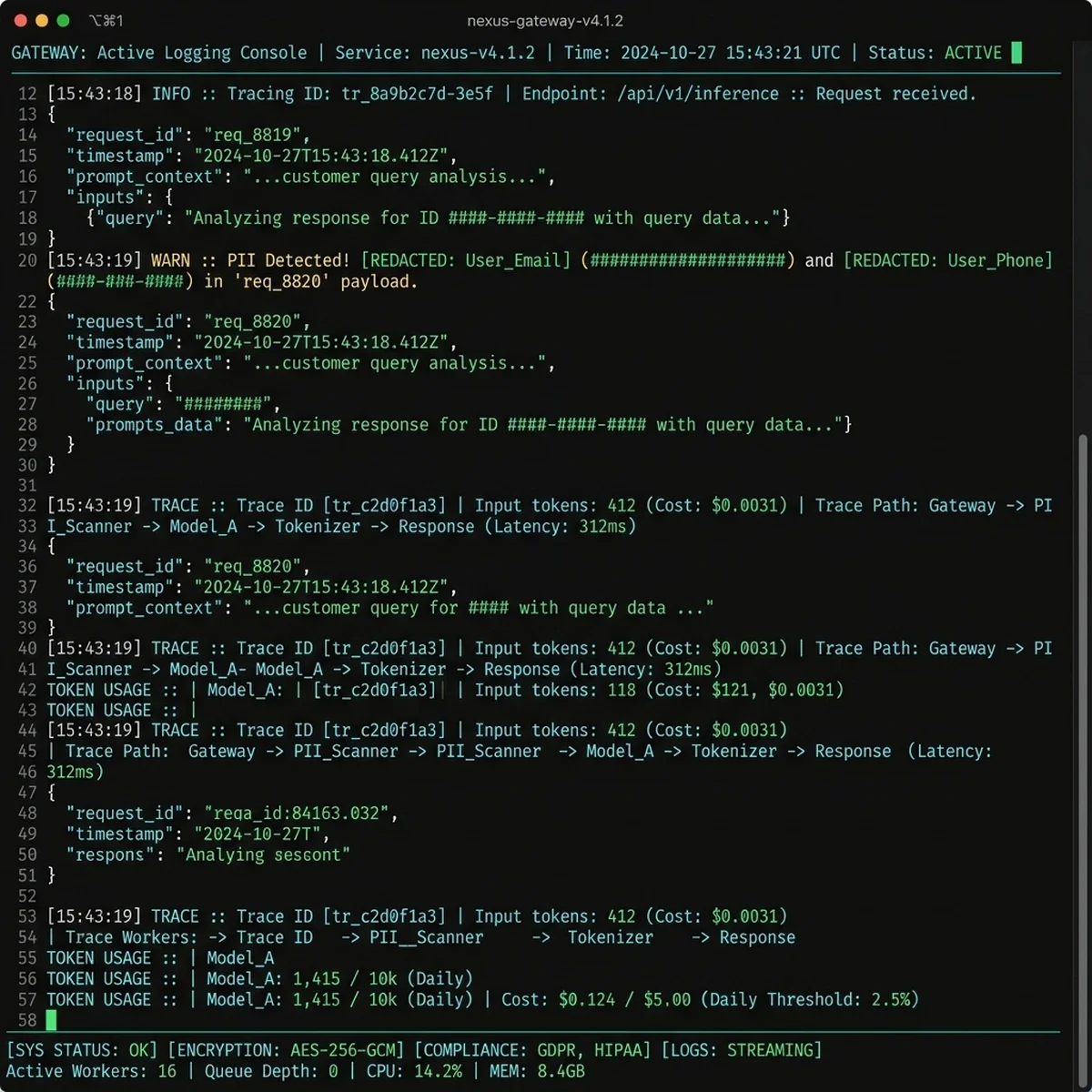
By auditing and gating every transaction, you prevent agents from carrying out unauthorized actions, ensuring complete compliance visibility.
4. Pilot Workflows for Enterprise Operations
To prove the value of the platform, we implement three core pilot workflows:
- Automated Reconciliation (Finance): Agents retrieve invoices from ERP, check bank records, and flag discrepancies.
- Lead Ingestion (Sales): Agents sync marketing captures to CRM, clean contact details, and assign owners.
- Ticket Routing (Support): Agents categorize customer requests, retrieve system logs, and suggest resolutions.
These pilots demonstrate that secure MCP tunneling can accelerate routine operational tasks, building the business case for wider deployment.
Architecture Overview: The Gated Execution Flow
To understand how these controls interact during a live operation, let's walk through the execution sequence of an agentic tool call:
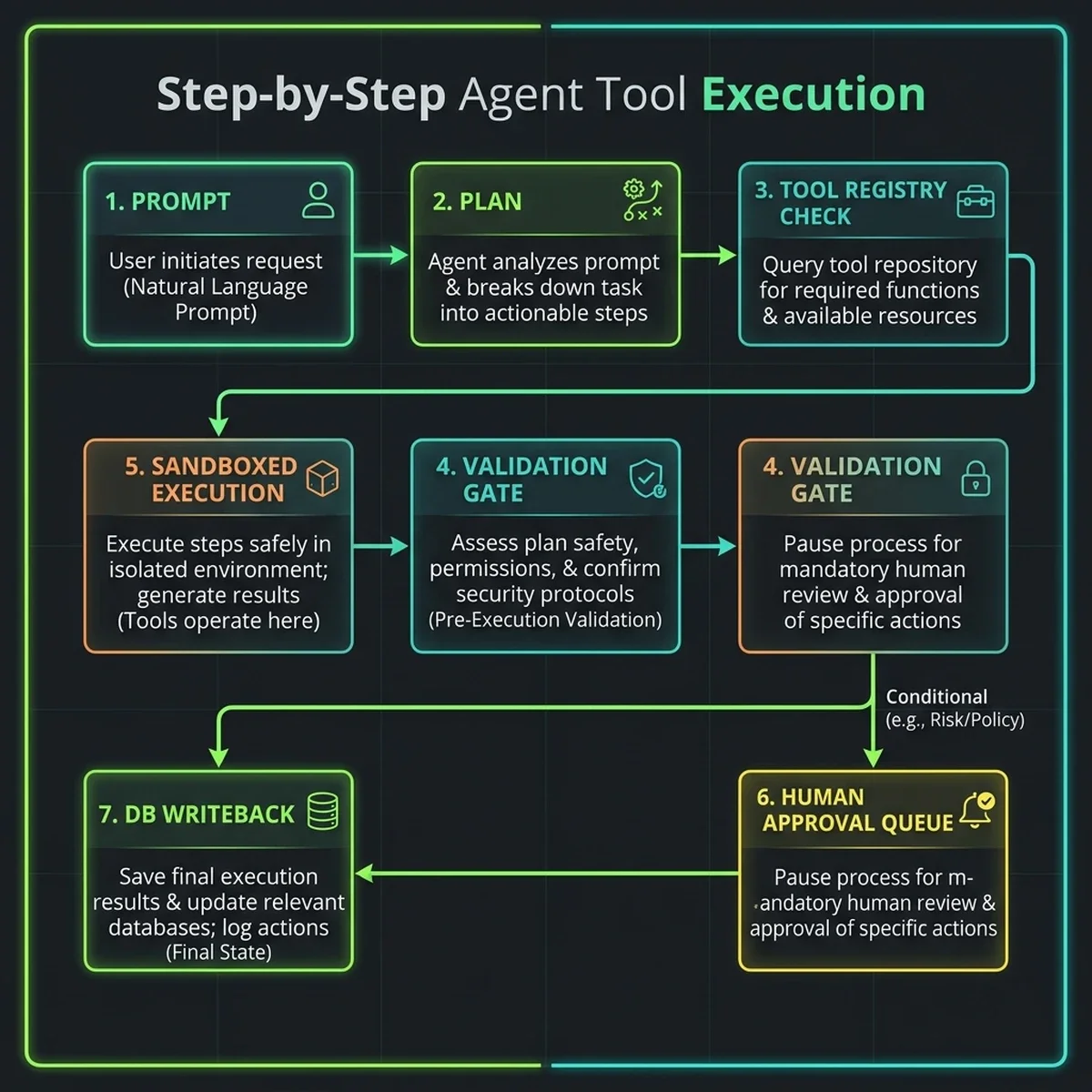
- User Prompt: The user enters a request (e.g., "Adjust invoice status for transaction #948A").
- Plan Generation: The model generates a plan, selecting the
adjust_invoice_statustool from the catalog. - Gateway Inspection: The gateway receives the tool call request and validates the arguments against the registered JSON schema.
- Outbound Tunnel Routing: The gateway routes the request through the active, outbound-only tunnel to the private MCP server.
- Human-in-the-Loop Check: Because invoice modification is classified as a high-risk Tier 2 write operation, the gateway suspends the execution loop, writes a pending record to the database, and flags the supervisor dashboard.
- Manual Approval: The human supervisor reviews the request and clicks "Approve," injecting their authorization token.
- Sandboxed Execution: The private server receives the approval token, executes the database command inside a sandboxed container, and returns the result string.
- Write-Back: The gateway receives the result, forwards it to the model, and the model confirms completion to the user.
By keeping the execution cycle strictly isolated and human-gated, you ensure that agentic transactions are secure, compliant, and audit-ready.
JSON-Schema Gating and Semantic Validation
To prevent malformed payloads or malicious queries from reaching internal systems, the secure gateway implements JSON-Schema validation on all incoming tool calls. When a private MCP server registers its tools with the central registry, it publishes a strict JSON schema defining the properties, types, and required fields for each tool.
The validation pipeline performs the following checks:
- Type Safety Verification: The gateway checks that all arguments match their defined types (e.g., ensuring
item_idis a string, andquantityis a non-negative integer). - Boundary Enforcement: It validates that numerical values fall within acceptable ranges and that string parameters do not contain characters associated with SQL injection or shell command injection (e.g., blocking strings containing
;,--, or&&). - Property Whitelisting: Any parameter generated by the model that is not explicitly defined in the JSON schema is stripped from the payload, preventing parameter pollution attacks.
If a validation check fails, the gateway intercepts the transaction, blocks execution, and returns a structured error message to the model (e.g., Error: Argument 'quantity' must be a positive integer). This allows the model to attempt self-correction without exposing the internal database to invalid or dangerous payloads.
Establishing Trust: Outbound mTLS Tunnels
The transport security of the outbound tunnel relies on Mutual TLS (mTLS) to establish trust between the cloud-hosted gateway and the private MCP server:
- Certificate Authority (CA): The enterprise deploys a private Certificate Authority to issue cryptographic certificates to the gateway and all local MCP server nodes.
- Mutual Authentication: During the TLS handshake, the gateway presents its certificate to authenticate itself to the private server, and the private server presents its certificate to the gateway. The connection is established only if both certificates are valid and signed by the trusted CA.
- Data Integrity: The tunnel encrypts all traffic using TLS 1.3, preventing third-party interception, man-in-the-middle attacks, or data tampering.
- Persistent SSE Stream: Once authenticated, the private server opens a Server-Sent Events (SSE) connection over the established tunnel. The gateway uses this connection to send JSON-RPC tool requests to the private server, and the private server writes back results over the HTTP POST channel.
This cryptographic handshake ensures that only verified enterprise systems can join the tool mesh, blocking unauthorized external clients or rogue developer nodes from intercepting tool requests.
Enforcing Turn Budgets and Cost Safeguards
One of the most common operational failures in autonomous agent deployments is "self-correction loops." When a model encounters a tool error, it attempts to resolve the error by altering its query and resubmitting the request. If the root cause is persistent, the model repeats this cycle indefinitely.
This behavior causes significant operational risks:
- Infrastructure Load: The private database is hit with thousands of rapid-fire queries, risking database pool exhaustion or denial of service for other enterprise systems.
- API Cost Explosions: Each loop consumes input and output tokens, running up massive cloud fees in a matter of minutes.
- Log Pollution: Centralized logs are flooded with repetitive error traces, obscuring actual operational alerts.
To prevent this, the gateway enforces a Turn Budget. When a session is initialized, the platform assigns a maximum execution loop limit (e.g., 5 or 10 turns). Every time the model triggers a tool execution, the gateway decrements the remaining budget. If the budget hits zero before the task completes, the gateway terminates the execution thread, locks the session, and returns a final error code. This simple safeguard prevents runaway agent behaviors, protecting your resources and budgets.
Real-World Use Cases: Logistics and Financial Operations
To illustrate how this architecture operates in production, let's analyze two implementation scenarios:
Use Case 1: Automating Inventory Adjustments in a Private SAP/ERP Mesh (Logistics)
A global logistics provider wanted to automate inventory reconciliation for its distribution centers. Its on-premises SAP database sat behind a zero-trust perimeter. When shipping discrepancies occurred, operators manually queried the ERP, cross-referenced manifests, wrote adjustments, and filed verification forms, introducing significant latency.
We deployed an outbound-only private MCP server adjacent to the ERP. When a discrepancy occurs, a cloud-hosted agent is triggered:
- The agent plans the query and requests database details.
- The gateway intercepts the tool call, verifies permissions, and forwards it through the outbound tunnel.
- The private MCP server queries the ERP database, sanitizes PII (e.g., driver names, client accounts), and returns the records.
- The agent compares the records and generates an inventory adjustment command.
- Because adjustment is a Tier 2 write operation, the gateway suspends the execution and flags the supervisor's queue.
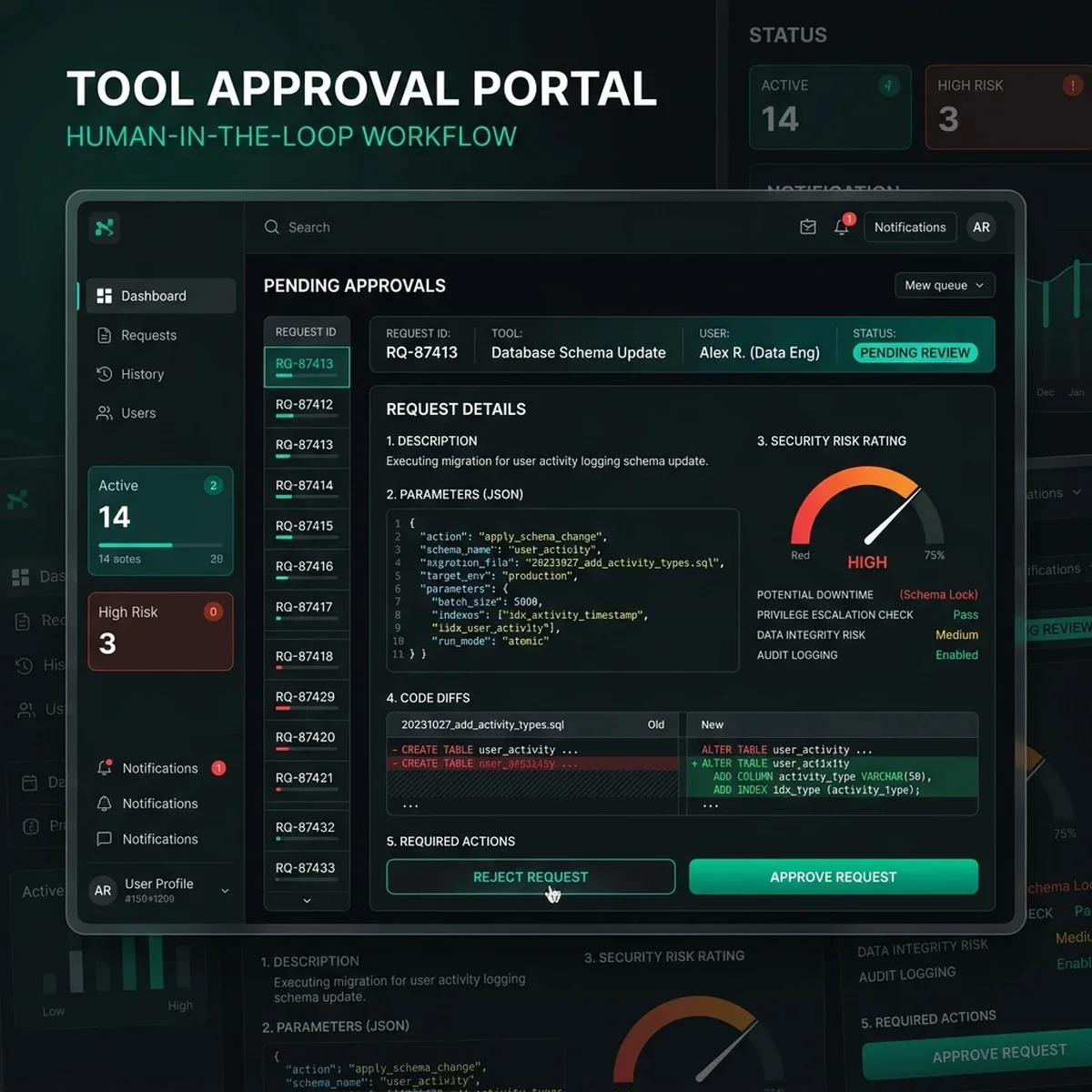
The supervisor reviews the proposed adjustment on their dashboard and clicks "Approve." The private server then writes the update to the ERP inside a sandboxed container. Reconciliation cycles collapsed from 48 hours to under 10 minutes, with zero open inbound ports.
Use Case 2: Governed Customer Data Sync in an On-Premises CRM (Financial Operations)
An enterprise wealth management firm needed to sync customer financial data between their public CRM platform and on-premises client ledgers. The client ledgers contained highly sensitive PII and account histories. Exposing these ledgers to the public cloud violated financial regulations (such as SEC rules and GDPR).
We deployed the Model Context Protocol architecture:
- A local MCP server was installed in the firm's private database cluster.
- An outbound WebSocket tunnel was established from the local server to the cloud gateway.
- All CRM sync requests were routed through this encrypted tunnel.
- The gateway's context sanitizer automatically stripped account numbers and tax identifiers, replacing them with unique hashes.
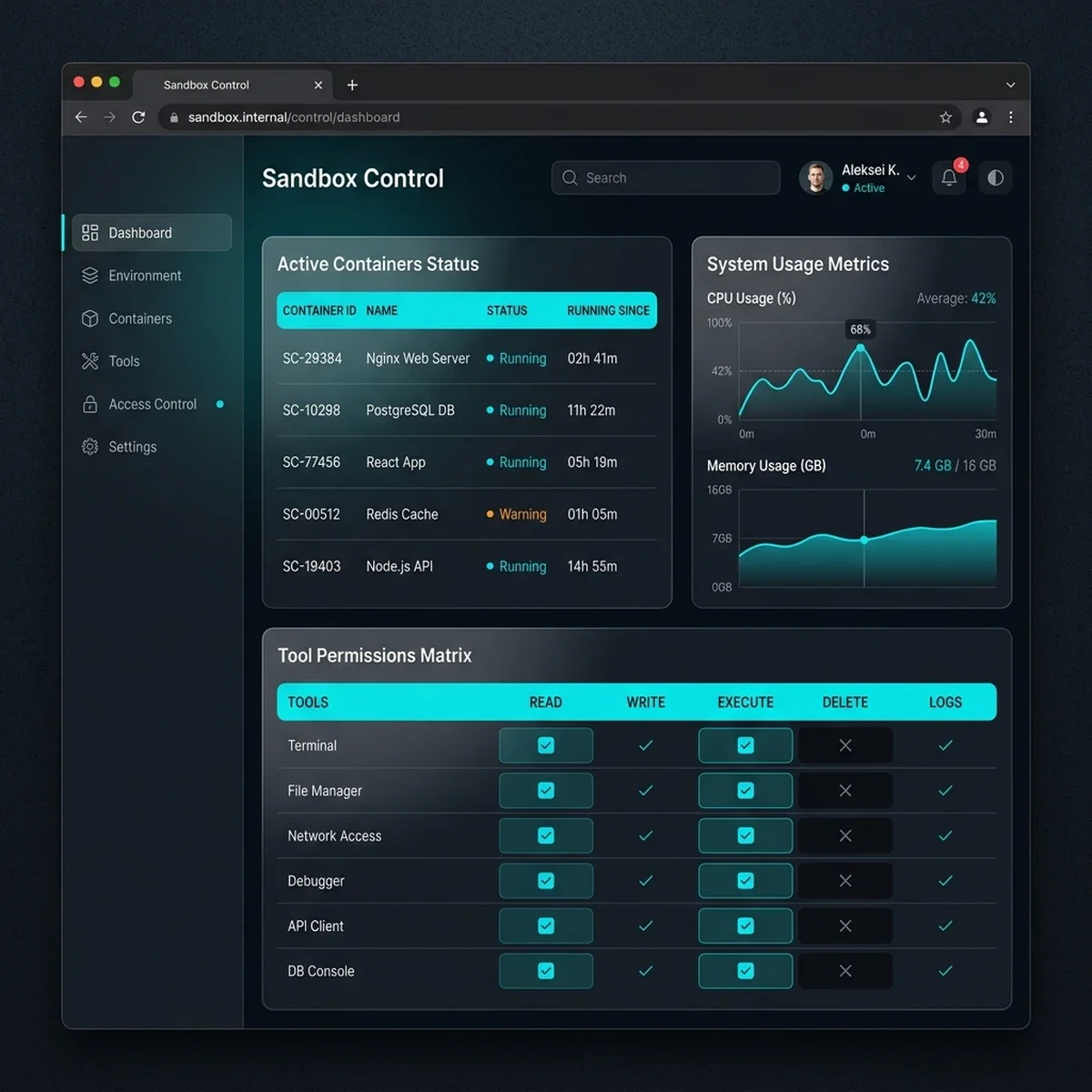
The sandbox ran the sync scripts in completely network-isolated containers, ensuring the model could not exfiltrate client data. By utilizing this architecture, the firm complied with financial data regulations while automating 95% of synchronization, saving thousands of manual hours.
Measurable Benefits: The Value Scorecard
To help stakeholders evaluate the ROI of our enterprise integration platform, we compare traditional API integration methods with the Model Context Protocol architecture:
| Integration Vector | Traditional API exposing ports | Private MCP outbound tunnels |
|---|---|---|
| Time-to-Integrate | 3 to 6 months (pending firewall approval & custom code). | Under 5 days (reusing standardized private MCP adapters). |
| Security Violations | High. Inbound ports and credentials vulnerable to scan attacks. | Zero. Perimeter remains closed; mTLS encryption on outbound-only tunnels. |
| PII Data Exposure | High. Raw database records are transmitted directly in prompts. | None. Named Entity Recognition (NER) pipeline redacts PII at the gateway. |
| Operational Hours Saved | 10-20 hours monthly due to fragile integration breaks. | 400+ hours monthly by automating high-frequency workflows. |
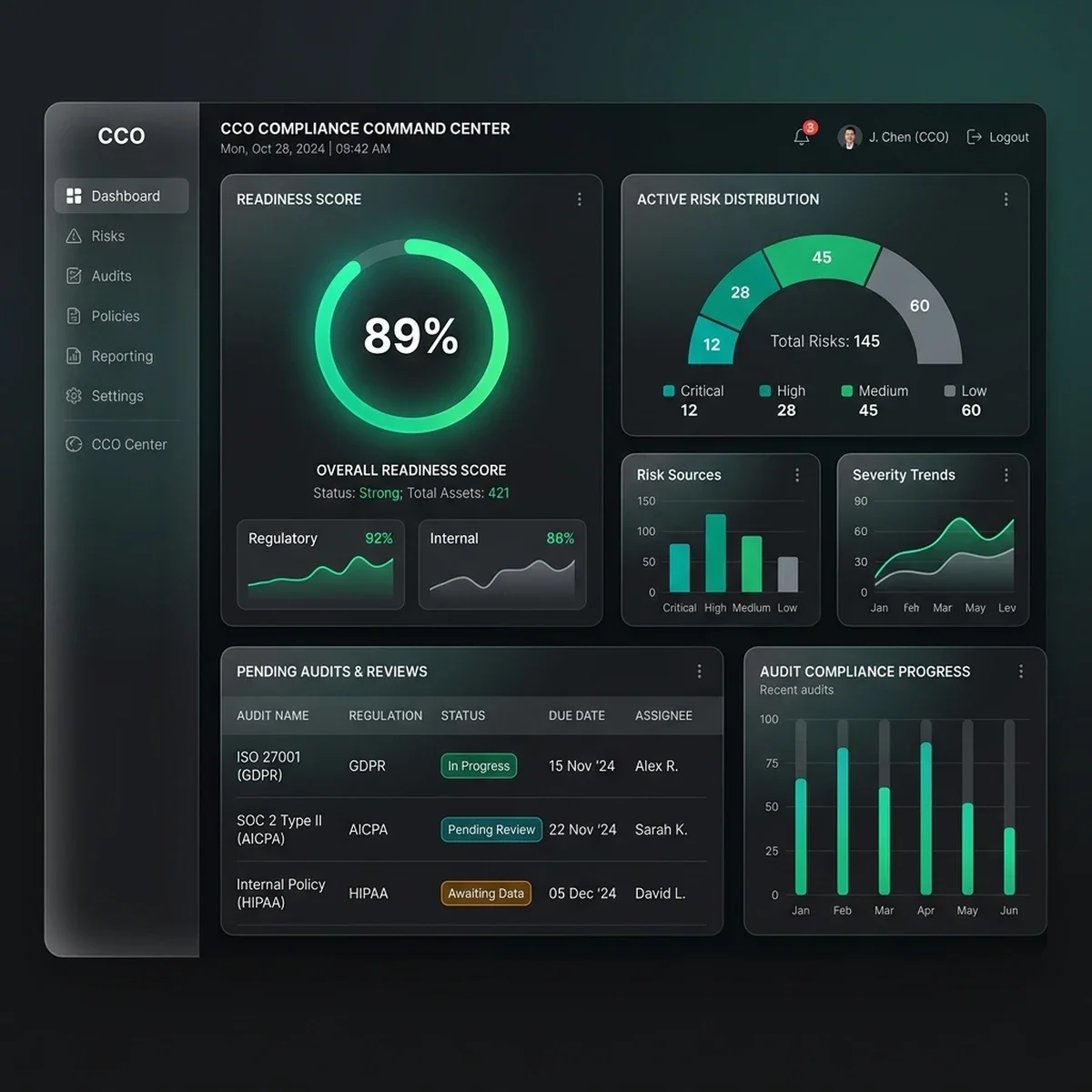
By transitioning to the secure MCP architecture, you eliminate security approval latency, reduce PII exposure risk, and accelerate your business automation timelines.
Detailed Execution Logs for Automated Invoice Matching
To illustrate the state transitions of the Model Context Protocol, the following JSON log trace represents a transaction where a cloud-hosted agent uses the gateway to retrieve client records and run a reconciliation tool:
{
  class="tok-str">"transaction_id": class="tok-str">"tx_8f9a2c1b-001a",
  class="tok-str">"timestamp": class="tok-str">"2026-06-01T10:20:15.340Z",
  class="tok-str">"client_id": class="tok-str">"finance-reconciliation-agent-prod",
  class="tok-str">"state_transitions": [
    {
      class="tok-str">"step": 1,
      class="tok-str">"state": class="tok-str">"USER_PROMPT_RECEIVED",
      class="tok-str">"payload": { class="tok-str">"message": class="tok-str">"Verify shipping manifest mismatch for invoice class="tok-cm">#INV-2026-90" }
    },
    {
      class="tok-str">"step": 2,
      class="tok-str">"state": class="tok-str">"MODEL_PLAN_GENERATION",
      class="tok-str">"selected_tool": class="tok-str">"get_invoice_details",
      class="tok-str">"arguments": { class="tok-str">"invoice_id": class="tok-str">"INV-2026-90" }
    },
    {
      class="tok-str">"step": 3,
      class="tok-str">"state": class="tok-str">"GATEWAY_SCHEMA_VALIDATION",
      class="tok-str">"status": class="tok-str">"PASSED",
      class="tok-str">"schema_matched": class="tok-str">"get_invoice_details_schema_v1.0"
    },
    {
      class="tok-str">"step": 4,
      class="tok-str">"state": class="tok-str">"PII_NER_SCAN",
      class="tok-str">"status": class="tok-str">"CLEAN",
      class="tok-str">"redacted_fields": []
    },
    {
      class="tok-str">"step": 5,
      class="tok-str">"state": class="tok-str">"TUNNEL_ROUTE_OUTBOUND",
      class="tok-str">"destination": class="tok-str">"private-mcp-server-east-01",
      class="tok-str">"transport": class="tok-str">"SSE-mTLS-Tunnel"
    },
    {
      class="tok-str">"step": 6,
      class="tok-str">"state": class="tok-str">"SANDBOX_EXECUTION_START",
      class="tok-str">"container_id": class="tok-str">"sb_inv_rec_908",
      class="tok-str">"cpu_limit": class="tok-str">"0.5vcpu",
      class="tok-str">"ram_limit": class="tok-str">"256MB"
    },
    {
      class="tok-str">"step": 7,
      class="tok-str">"state": class="tok-str">"DATABASE_QUERY_EXECUTION",
      class="tok-str">"query_type": class="tok-str">"SELECT",
      class="tok-str">"records_returned": 1,
      class="tok-str">"latency_ms": 12
    },
    {
      class="tok-str">"step": 8,
      class="tok-str">"state": class="tok-str">"SANDBOX_EXECUTION_COMPLETE",
      class="tok-str">"exit_code": 0
    },
    {
      class="tok-str">"step": 9,
      class="tok-str">"state": class="tok-str">"GATEWAY_RESPONSE_ROUTE",
      class="tok-str">"payload_preview": class="tok-str">"{\"invoice_id\class="tok-str">": \"INV-2026-90\class="tok-str">", \"status\class="tok-str">": \"PAID\class="tok-str">", \"amount\class="tok-str">": 4500.00}"
    }
  ]
}
This logging trace is recorded in the central postgres ledger, providing compliance teams with a complete, step-by-step history of the agent's actions, from the initial user prompt to the final database response.
Comparison Matrix: Risk Gating for Tool Tiers
To manage security boundaries, we classify tools into three tiers, applying different levels of enforcement based on the potential impact of the action:
| Tool Tier | Risk Classification | Allowed Operations | Security Enforcement Mechanism | Example Tools |
|---|---|---|---|---|
| Tier 1 | Low Risk | Read-only operations. Fetching records, looking up statuses. | Automatic schema validation. Direct execution. | get_inventory_status, list_active_users |
| Tier 2 | Medium Risk | Write operations, minor adjustments. Updating statuses, routing tickets. | Schema validation + human approval queue verification. | adjust_invoice_status, update_lead_owner |
| Tier 3 | High Risk | Structural changes, large data writes. Deleting tables, modifying financial ledgers. | Hard block at gateway. Manual SSH override required. | drop_table_users, truncate_financial_ledger |
This risk gating matrix ensures that agents can operate autonomously on routine tasks while preventing them from performing dangerous or destructive actions.
The Operational Impact of Localized Sandbox Quarantine
Containerized sandboxing creates a network quarantine zone, preventing lateral movement inside the enterprise subnets. If an attacker compromises a tool execution thread, they cannot pivot to adjacent Active Directory hosts, internal databases, or local file shares.
When an AI agent executes tools that compile code, run bash commands, or format files, it runs those operations inside this quarantined sandbox:
- Network Isolation: The container is restricted by Docker bridge policies and host iptables. It cannot initiate connections to any host on the internal network except the designated private MCP server port.
- Namespace Quarantine: Using gVisor, the container operates with its own kernel namespace. It cannot see host processes, access physical mounts, or read host environment variables.
- Volume Isolation: The container is granted access only to a temporary workspace directory, which is wiped clean the moment the execution thread terminates.
By enforcing this localized quarantine, even if a model is compromised via prompt injection and instructed to scan the local subnet or exfiltrate private configuration files, the operations are blocked. The malicious scripts run in a digital vacuum, unable to reach the host network or read adjacent database files, securing the enterprise environment.
Technical Stack: Polyglot Integration Framework
To implement the secure outbound tunnel architecture, we leverage a polyglot stack that integrates with existing enterprise databases and infrastructure:
| Integration Layer | Technology Options | Role in Architecture |
|---|---|---|
| Private MCP Servers | Python (MCP SDK), Node.js, Go | Interact directly with databases, read local files, and output schemas. |
| Secure Gateway & Tunnel | gRPC, Server-Sent Events (SSE), Mutual TLS | Encrypted outbound-only transport channel connecting server to client. |
| Context Sanitizer | Python (presidio-analyzer), Regex, JSON-LD | Named Entity Recognition filters detecting and redacting PII before prompt writes. |
| Tool Gating Database | PostgreSQL, Redis | Stores model capabilities registry, execution logs, and pending approvals queue. |
| Execution Sandbox | Docker, gVisor, MicroVMs | Ephemereal, network-isolated container running generated code and tool executables. |
Python Codelab: Private MCP Server Tool Handler
To write an MCP server in Python, we use the official Model Context Protocol SDK. The following module registers a database retrieval tool, defines its input schema, and serves the handler:
class="tok-cm"># private_mcp_server.py
from mcp.server.fastmcp import FastMCP
import sqlite3
import json

class="tok-cm"># Initialize FastMCP Server
mcp = FastMCP(class="tok-str">"Secure-Inventory-Server")

@mcp.tool()
class="tok-kw">def get_inventory_status(item_id: str) -> str:
    class="tok-str">""class="tok-str">"
    Retrieve inventory quantity and location details for a specific item ID.
    Args:
        item_id: The unique identifier of the inventory item (e.g., &class="tok-cm">#039;ITEM-102A').
    "class="tok-str">""
    class="tok-cm"># SQLite connection for verification check run demonstration
    conn = sqlite3.connect(class="tok-str">":memory:")
    cursor = conn.cursor()
    cursor.execute(class="tok-str">"CREATE TABLE inventory (id TEXT, qty INTEGER, location TEXT)")
    cursor.execute(class="tok-str">"INSERT INTO inventory VALUES (&class="tok-cm">#039;ITEM-102A', 450, 'Warehouse-C')")
    conn.commit()

    cursor.execute(class="tok-str">"SELECT qty, location FROM inventory WHERE id = ?", (item_id,))
    row = cursor.fetchone()
    conn.close()

    if row:
        return json.dumps({
            class="tok-str">"item_id": item_id,
            class="tok-str">"quantity": row[0],
            class="tok-str">"location": row[1],
            class="tok-str">"status": class="tok-str">"IN_STOCK" if row[0] > 0 else class="tok-str">"OUT_OF_STOCK"
        })
    return json.dumps({class="tok-str">"item_id": item_id, class="tok-str">"error": class="tok-str">"Item not found"})

if __name__ == class="tok-str">"__main__":
    class="tok-cm"># Serve the server over standard input/output (stdio transport)
    mcp.run()
TypeScript Codelab: Client Initialization & Gateway Connection
On the client gateway, we initialize the MCP client, connect to the private server's outbound tunnel, and expose the tools to the LLM agent:
// mcp_gateway_client.ts
import { Client } from "@modelcontextprotocol/sdk/client/index.js";
import { SseClientTransport } from "@modelcontextprotocol/sdk/client/sse.js";
import * as dotenv from "dotenv";

dotenv.config();

class MCPGatewayClient {
  private client: Client;
  private transport: SseClientTransport;

  constructor(endpointUrl: string) {
    // Connect to the private server's outbound SSE endpoint
    this.transport = new SseClientTransport(new URL(endpointUrl));
    this.client = new Client(
      { name: "Enterprise-Gateway-Client", version: "1.2.0" },
      { capabilities: { tools: {} } }
    );
  }

  public async connectGateway(): Promise<void> {
    try {
      console.log("Establishing outbound TLS tunnel to private server...");
      await this.client.connect(this.transport);
      console.log("mTLS tunnel established successfully.");

      // List all tools registered on the private server
      const response = await this.client.listTools();
      console.log("Registered tools discovered:");
      console.dir(response.tools, { depth: null });
    } catch (error) {
      console.error("Gateway connection failed:", error);
    }
  }

  public async callPrivateTool(toolName: string, args: Record<string, any>): Promise<any> {
    // Enforce gateway schema check before executing call
    console.log(`Intercepting tool call: ${toolName} with arguments:`, args);
    const result = await this.client.callTool({
      name: toolName,
      arguments: args
    });
    return result;
  }
}

// Example usage
// const gateway = new MCPGatewayClient("https://private-server.local/sse");
// gateway.connectGateway();
By deploying this TypeScript client on the cloud gateway and connecting it to the private Go/Python server via outbound tunnels, platform teams establish a secure, performant integration channel with minimal network latency.
Implementation Approach: The 90-Day Execution Roadmap
Implementing the secure MCP integration architecture requires a structured, phased rollout. I have designed this 90-day roadmap based on live enterprise deployments, dividing the work into three 30-day phases:
Phase 1: Registry & Gateway Setup (Days 1–30)
- Objective: Establish the core infrastructure, deploy the model registry, configure outbound tunnels, and define security allow-lists.
- Key Tasks:
- Set up the AI Compliance Steering Committee and agree on risk boundaries.
- Install the Model Registry database and catalog active models.
- Configure the outbound-only gateway hosting node and establish mTLS certificates.
- Deploy regular expressions and ML models for the PII context sanitizer.
Phase 2: Pipeline & Gating Pilots (Days 31–60)
- Objective: Connect the private MCP servers to test databases, configure human-in-the-loop gating, and deploy the first pilot workflows.
- Key Tasks:
- Install the private MCP server adjacent to the staging ERP/CRM database clusters.
- Configure the Express/TypeScript classification router middleware.
- Wire up the tool gating queue database, creating review tasks for Tier 2 write operations.
- Run synthetic tests on the first pilot workflow (e.g., inventory check and adjustment).
Phase 3: Production Scale & Auditing (Days 61–90)
- Objective: Deploy to production clusters, run security auditing verification cycles, and train supervisors.
- Key Tasks:
- Promote the private MCP servers to production databases under strict NetworkPolicies.
- Deploy the CCO dashboard and set up real-time readiness scorecards.
- Conduct training runs for human supervisors on handling the pending approvals queue.
- Verify that the automated daily compliance checks run successfully.
By following this 90-day roadmap, you ensure that the security, platform, and business teams remain aligned at every milestone, avoiding the pitfalls of unmanaged shadow AI deployments.
Python SDK Advanced Transport Configuration
When deploying the Python MCP SDK in an enterprise environment, platform engineers must configure connection limits, timeout boundaries, and error handlers to handle network issues:
class="tok-cm"># mcp_transport_config.py
from mcp.server.fastmcp import FastMCP
import logging

class="tok-cm"># Set up logging for compliance audits
logging.basicConfig(level=logging.INFO, format=class="tok-str">"%(asctime)s - %(levelname)s - %(message)s")
logger = logging.getLogger(class="tok-str">"EnterpriseMCP")

mcp = FastMCP(
    class="tok-str">"Enterprise-Inventory-Server",
    dependencies=[class="tok-str">"sqlite3", class="tok-str">"psycopg2-binary"]
)

class="tok-cm"># Configure SSE heartbeat parameters and timeout boundaries
mcp.config.update({
    class="tok-str">"transport": class="tok-str">"sse",
    class="tok-str">"keep_alive_interval_seconds": 15,
    class="tok-str">"connection_timeout_seconds": 60,
    class="tok-str">"max_concurrent_requests": 25,
    class="tok-str">"error_recovery_mode": class="tok-str">"auto_reconnect"
})

@mcp.tool()
class="tok-kw">def read_inventory_secure(item_id: str) -> str:
    &class="tok-cm">#039;class="tok-str">''
    Query inventory levels with explicit error boundaries.
    &class="tok-cm">#039;class="tok-str">''
    try:
        logger.info(fclass="tok-str">"Incoming tool request for item: {item_id}")
        class="tok-cm"># Execute query within database context manager
        class="tok-cm"># If database timeout occurs, raise custom error
        return class="tok-str">"INVENTORY_RECORD_DATA"
    except Exception as e:
        logger.error(fclass="tok-str">"Failed to query inventory: {str(e)}")
        return fclass="tok-str">"Error: Database query failed. Details: {str(e)}"
By explicitly defining timeouts and concurrent request limits, you protect the private server from resource exhaustion and ensure that network issues do not freeze the execution thread.
TypeScript Secure Sandbox Execution Middleware
To contain shell scripts or arbitrary code execution, the client gateway runs tool operations inside isolated Docker containers wrapped in gVisor:
// sandbox_middleware.ts
import { exec } from "child_process";
import { promisify } from "util";

const execPromise = promisify(exec);

export class SandboxExecutor {
  private cpuLimit: string = "0.5";
  private ramLimit: string = "256m";

  public async runInSandbox(scriptPath: string, args: string[]): Promise<string> {
    // Construct run command enforcing network isolation, read-only rootfs, and resource limits
    const command = `docker run --rm \
      --network none \
      --runtime=runsc \
      --memory="\${this.ramLimit}" \
      --cpus="\${this.cpuLimit}" \
      -v "\${scriptPath}":/app/run.sh:ro       alpine:3.18 /bin/sh /app/run.sh \${args.join(" ")}`;

    try {
      console.log("Launching ephemeral container sandbox for script execution...");
      const { stdout, stderr } = await execPromise(command);
      if (stderr) {
        console.warn("Sandbox stderr output:", stderr);
      }
      return stdout.trim();
    } catch (error: any) {
      console.error("Sandbox execution failed:", error.message);
      throw new Error(`Execution error: Container sandbox violated. Details: \${error.message}`);
    }
  }
}
This TypeScript middleware ensures that any script generated by the model runs in a completely isolated environment, protecting the host system from data exfiltration or malicious commands.
Key Takeaways & FAQ
Key Takeaways
- Standardized Tool USB-C: Model Context Protocol (MCP) acts as the standardized connection interface, separating clients from servers and eliminating fragile, custom-coded API adapters.
- Closed Firewall Perimeter: Reversing the connection direction via outbound-only SSE or WebSocket tunnels allows private databases to be reached without opening public inbound ports.
- Identity Propagation: Ensure queries run under user context rather than service account credentials by propagating JWT/OIDC authentication tokens in the metadata headers.
- Isolated Sandboxing: Run code generation tools and shell scripts inside network-isolated, CPU/RAM-constrained Docker containers to prvent data exfiltration or host network compromises.
- Dynamic Tool Gating: Restrict model capabilities. low-risk read-only commands execute automatically, while high-risk write operations trigger a human approval queue.
- 90-Day Implementation: Roll out security gating, catalog registries, and outbound tunnels incrementally to align platform, compliance, and product groups.
Frequently Asked Questions
What is the Model Context Protocol (MCP) and how does it help?
MCP is an open standard that defines a common interface for connecting AI models to data sources and tools. By separating the client (LLM host) from the server (tool execution environment), it allows you to build modular, reusable tool catalogs that are compatible with any compliant LLM, eliminating custom API adapters.
How do outbound-only tunnels work without open inbound ports?
The private MCP server initiates a persistent outbound connection (SSE or WebSockets) over HTTPS to the cloud gateway. Tool requests and responses route through this channel, keeping firewall inbound ports closed.
How do we protect sensitive PII data in logs?
The logging gateway intercepts prompts and log payloads, running them through a Named Entity Recognition (NER) pipeline that redacts PII (e.g., names, emails, card numbers) with generic placeholders. The original mappings are kept in memory and restored on the response route.
Why must agent tools run inside ephemeral container sandboxes?
If an agent is compromised via prompt injection, it could execute destructive shell commands or download malicious libraries. Sandboxing executions inside ephemeral Docker containers running gVisor with network access disabled isolates the threat, protecting the host network.
What is human-in-the-loop (HITL) gating and when is it required?
HITL gating is required for high-risk operations (such as modifying records, deleting files, or writing database updates). When the agent triggers a Tier 2 tool, the gateway suspends the execution thread and alerts the review queue, resuming only after receiving manual human sign-off.
How do OAuth and OIDC tokens protect internal database resources?
The gateway propagates the active user's OIDC JSON Web Token (JWT) in the tool call metadata. The private MCP server validates this token and queries the database under the user's security scopes, preventing the agent from inheriting broad administrative credentials.
What are turn budgets and cost caps, and why are they needed?
Turn budgets limit the maximum number of model execution loops per task run. They prevent agents from getting stuck in infinite self-correction loops when encountering tool errors, protecting your infrastructure budget from runaway API token fees.
What technologies are used to establish private MCP connections?
We leverage Python and Node.js for writing private MCP server adapters, gRPC/SSE for outbound tunnel transport, PostgreSQL/Redis for tool catalogs and gating databases, and Docker/gVisor for isolated sandboxed execution.
Can we integrate MCP with legacy ERP databases like SAP or Oracle?
Yes. Standard database libraries (such as sqlite3, psycopg2, or SAP RFC connectors) can be imported into Python/TypeScript MCP servers, allowing you to wrap legacy databases in standard MCP tool schemas with minimal coding effort.
What are the deliverables of the 90-day integration roadmap?
Deliverables include: Phase 1 (Model Registry and outbound gateway setup), Phase 2 (Private server deployment and human-in-the-loop gating pilots), and Phase 3 (Production scale, CCO dashboard scorecards, and daily validation tests).
About the Author
Vatsal Shah is a Senior AI Solutions Architect and compliance transformation advisor at Agile Tech Guru. He specializes in designing secure multi-agent systems, containerized sandbox pipelines, and enterprise-grade Model Context Protocol (MCP) integrations. Over the past decade, he has led engineering transformations for Fortune 500 platform groups, deploying compliant LLM architectures and secure tool registries.