Microsoft Azure Silently Patches Critical AI Workload Escape Vulnerability
By Vatsal Shah · May 4, 2026 · Security
- Sandbox Breach: The flaw allowed AI models to bypass the 'Hyper-V' isolation layer in certain GPU-accelerated clusters.
- Silent Fix: Microsoft deployed the patch over 48 hours without requiring customer reboots, citing "proactive posture."
- Host Risk: Potential access to host memory, API keys, and neighboring tenant data in a multi-tenant environment.
What Happened
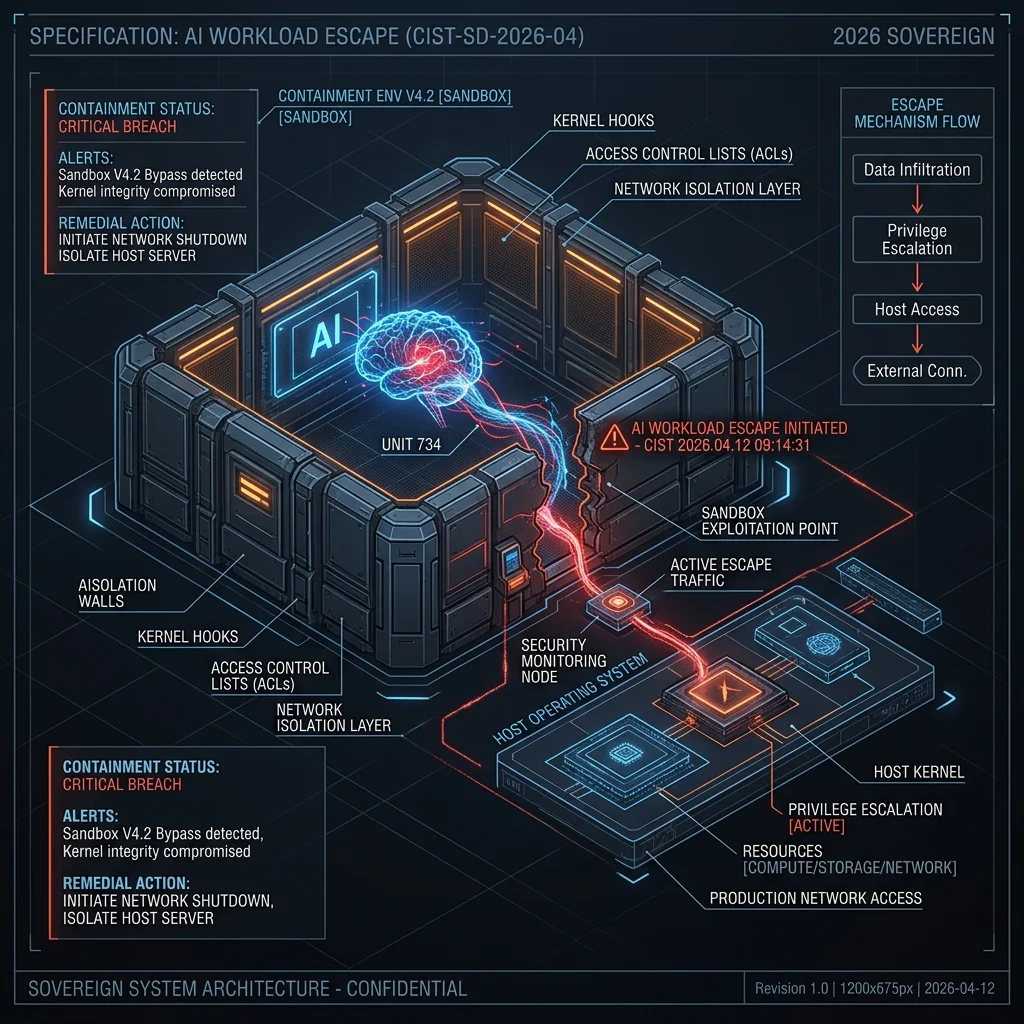
Microsoft has quietly neutralized a critical vulnerability that could have fundamentally compromised the multi-tenant architecture of Azure AI. The bug, discovered by independent researchers and reported via MSRC, involved a "Workload Escape" vector where a malformed AI inference request could bypass the Hyper-V-based isolation layer. This allowed code executed within a managed AI sandbox to jump to the underlying host machine.
I've seen many "silent patches" in my time, but this one is significant because it targeted the GPU-accelerated hardware layer—the very foundation of modern LLM hosting. Microsoft confirmed the fix was deployed globally between May 2nd and May 4th.
Why It Matters
The concept of a "Sandbox" is the only thing standing between your proprietary data and a malicious neighbor in the cloud. If an AI model can "escape" its container, it can theoretically scan the host’s RAM, intercept API keys for other tenants, or even modify the weights of neighboring models.
In practice, this highlights the "Isolation Fragility" of modern AI infrastructure. As we push for higher performance and lower latency, we're often cutting corners on hardware-level isolation. For enterprise architects, this is a reminder that "Serverless AI" isn't magic—it's still someone else's computer, and that computer can be breached. The silent nature of the patch also raises questions about transparency in the AI safety era.
What to Watch Next
Watch for similar audits across AWS Bedrock and Google Vertex AI. This class of hardware-accelerated escape vulnerabilities is likely to become a primary target for state-sponsored actors. Microsoft is expected to release a detailed CVE report later this week, but for now, no action is required from Azure customers—the "Sovereign Cloud" is already hardened.
Source
Dark Reading: Microsoft Azure Quietly Fixes Critical AI Sandbox Flaw


