AI SUMMARY / EXECUTIVE OVERVIEW
In 2026, the cost of generating syntactically flawless code has dropped to near zero, commoditizing pure technical execution. The primary value driver in software engineering has shifted from how to write code to why it should be written and what problem it solves. This article details the transition from traditional coding to the Sovereign Engineer role, where human strategic intent orchestrates autonomous AI agent fleets to build, deploy, and scale complex software systems.
The Sovereign Engineer: Why Technical Prowess is Secondary to Strategic Intent
By Vatsal Shah | June 6, 2026 | 15 min read
Table of Contents
- Introduction
- What is a Sovereign Engineer?
- Why Strategic Intent Matters in 2026
- Core Concepts: How the Sovereign Engineer Operates
- Step-by-Step: Cultivating the Sovereign Dev Mindset
- Real-World Examples & Business Case Studies
- Deep Analysis: The 2020 Coder vs. The 2026 Sovereign Engineer
- Procedural Logic: Intent Orchestration Flow
- Pitfalls & Modern Anti-Patterns
- Futuristic Horizon: 2027-2030 Roadmap
- Key Takeaways
- FAQ
- About the Author
- Conclusion
Introduction
In early 2024, the developer community watched with mixed fascination and dread as the first autonomous software engineers began executing multi-file codebase operations. Fast forward to 2026, and the landscape has fundamentally transformed. Standard boilerplate, API integrations, database migrations, and even complex refactoring tasks are no longer manual bottlenecks. They are executed in seconds by autonomous agent graphs running inside agentic IDEs like Antigravity, Cursor, and Codex.
As a result, pure syntax generation has been commoditized. For developers facing AI coding anxiety, the existential question is no longer "Will AI replace me?" but rather "What is my role when code itself is free?"
The answer lies in a paradigm shift: the emergence of the Sovereign Engineer. This is not a developer who writes code faster, but a strategic technologist who steers AI agents with high-fidelity intent. Technical execution has become secondary. The true bottleneck is now human strategic intent—understanding the business domain, mapping the problem space, validating architectural choices, and maintaining ultimate ownership of the product lifecycle.
What is a Sovereign Engineer?
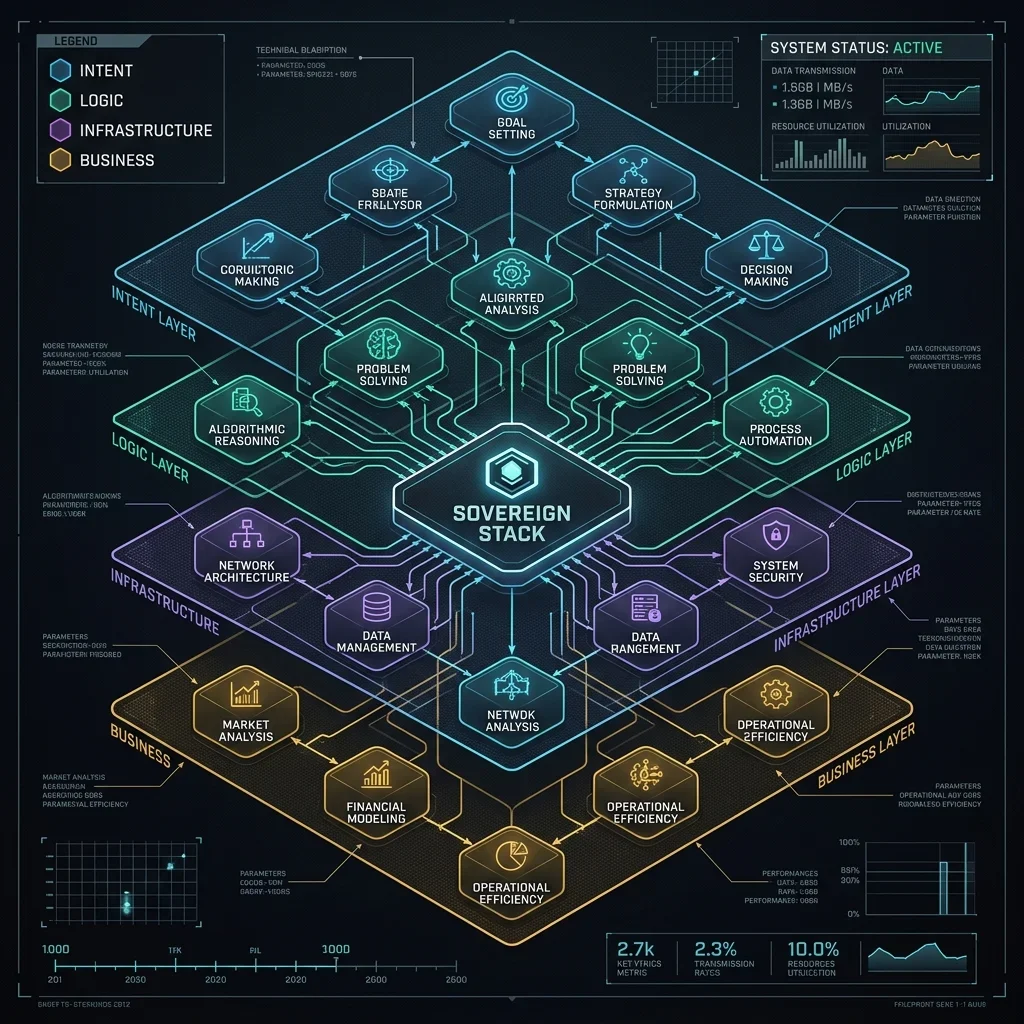
The Sovereign Engineer is defined as an engineering practitioner who operates at the level of strategic intent, utilizing autonomous AI agents as execution units. Unlike traditional coders who spend the majority of their cognitive budget writing and debugging syntax, the Sovereign Engineer focuses on problem discovery, systemic architecture, product alignment, and quality gate governance.
A Sovereign Engineer possesses a holistic understanding of software systems and business objectives. Instead of writing code line-by-line, they design prompt-driven architectures, direct multi-agent software engineering loops, and audit code generated by large language models. The technical prowess is not lost; it is abstractly projected. The engineer must still understand systems deeply to audit them, but their active input is strategic command rather than manual keyboard entry.
Why Strategic Intent Matters in 2026
Strategic intent is the only human-exclusive skill left in software development. An AI model can generate a perfect React component or an optimized Rust microservice if given a clear specification. However, the model cannot determine if that microservice actually serves the long-term business goals of the company, or if the product feature is even what users want.
In 2026, enterprises are realizing that simply churning out more features does not translate to business value. In fact, it often leads to feature bloat and technical debt. According to a 2025 study on enterprise generative AI ROI, organizations that focused on autonomous code generation without strong human oversight saw a 40% increase in integration defects and a 25% drop in product usability. Conversely, organizations that empowered engineers to act as strategic governors reduced their time-to-market by 70% while improving system stability.
Strategic intent involves:
- Contextual Alignment: Connecting code to customer value and company goals.
- Architectural Guardrails: Specifying performance, safety, security, and scalability metrics before execution.
- Systemic Optimization: Finding the simplest solution to a problem, which often means writing less code, not more.
- Human Governance: Acting as the final arbiter of quality, compliance, and ethical standards.
Core Concepts: How the Sovereign Engineer Operates
To understand how the Sovereign Engineer works, we must examine the core concepts that define their daily workflow.
The Action Gap: Autocomplete vs Autonomous Agents
In the early days of AI coding tools, developers relied on autocomplete models. These tools acted like glorified copy-paste assistants, saving keystrokes but leaving the developer to manage the overall file structure and compiler errors.
Today, we operate in the era of Large Action Models (LAMs) and Stateful Multi-Agent Systems. The Sovereign Engineer does not write code fragments; they specify requirements at a high level. The AI agent translates these requirements into a multi-step plan, reads the relevant code files, modifies the code, runs the test suite, fixes compilation errors, and presents a completed pull request. The "Action Gap" has closed. The engineer’s role is to evaluate the proposed plan and audit the final output, not to guide the editor line-by-line.
Cognitive Offloading: Code as a Commodity
Cognitive offloading is the practice of using external resources to reduce mental workload. In software development, the Sovereign Engineer offloads syntax generation, linting, unit testing, and dependency resolution to the AI.
This frees up cognitive bandwidth for high-level thinking:
- Is this the right architecture? Should we use an event-driven serverless architecture or a modular monolith?
- Is the problem correctly defined? Are we building a solution for a symptom, or are we addressing the root cause?
- What are the security implications? Does this data flow violate GDPR or HIPAA compliance?
Strategic Intent: The Human-Exclusive Kernel
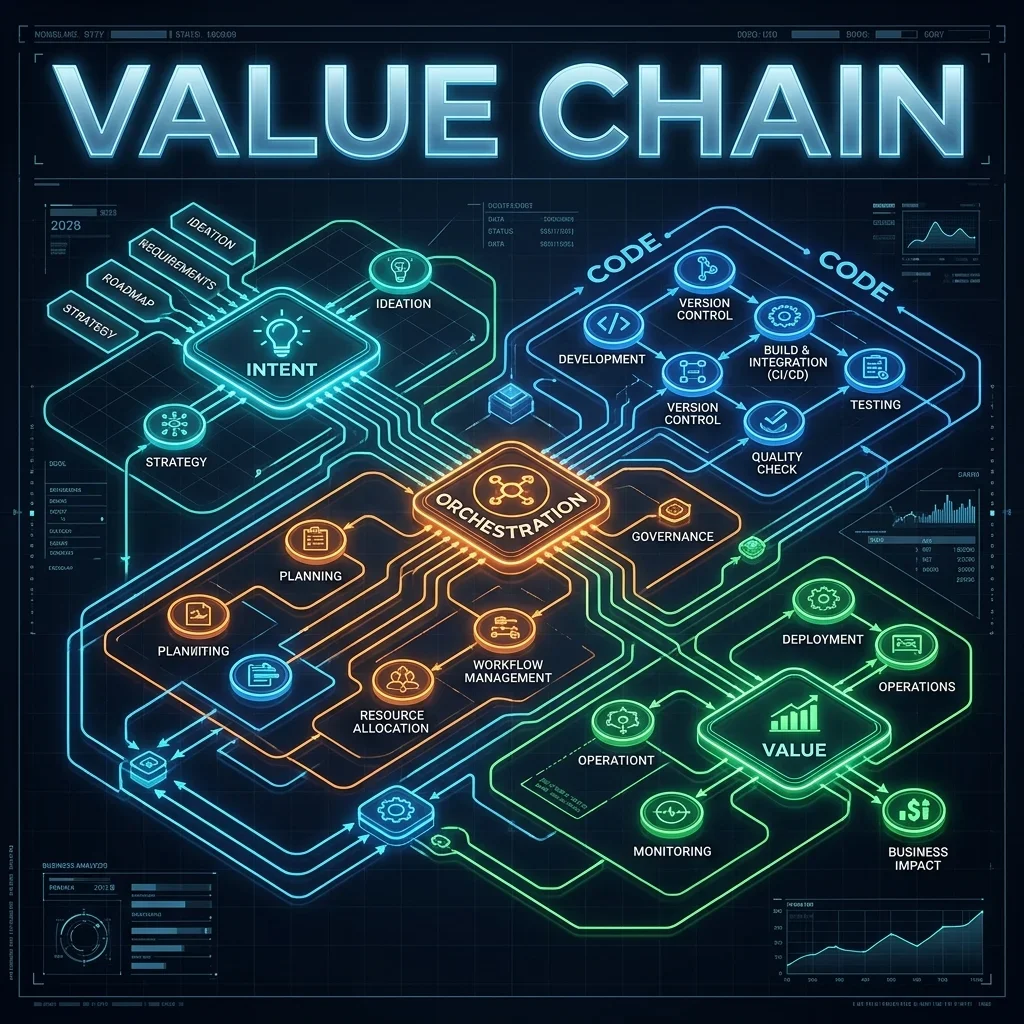
At the core of the Sovereign Engineer is the Human-Exclusive Kernel. This is the domain of judgment, empathy, critical thinking, and vision.
class="tok-cm"># Conceptual Python abstraction of the Sovereign Loop
class SovereignLoop:
    class="tok-kw">def __init__(self, human_intent: str, codebase: str):
        self.intent = human_intent
        self.codebase = codebase
        self.agents = MultiAgentEngine()

    class="tok-kw">def execute(self):
        class="tok-cm"># Human provides the strategic intent
        plan = self.agents.plan(self.intent, self.codebase)

        class="tok-cm"># Human reviews and refines the plan (Governance Gate 1)
        approved_plan = self.audit_plan(plan)

        class="tok-cm"># Agents execute code modification loop autonomously
        implementation = self.agents.run_dev_loop(approved_plan)

        class="tok-cm"># Human performs final evaluation (Governance Gate 2)
        if self.audit_implementation(implementation):
            self.codebase.commit(implementation)
            return class="tok-str">"SUCCESS"
        return class="tok-str">"REJECTED"
In this model, the human engineer is the supreme governor of the loop. They do not write the code, but they steer, audit, and authorize the changes.
Step-by-Step: Cultivating the Sovereign Dev Mindset
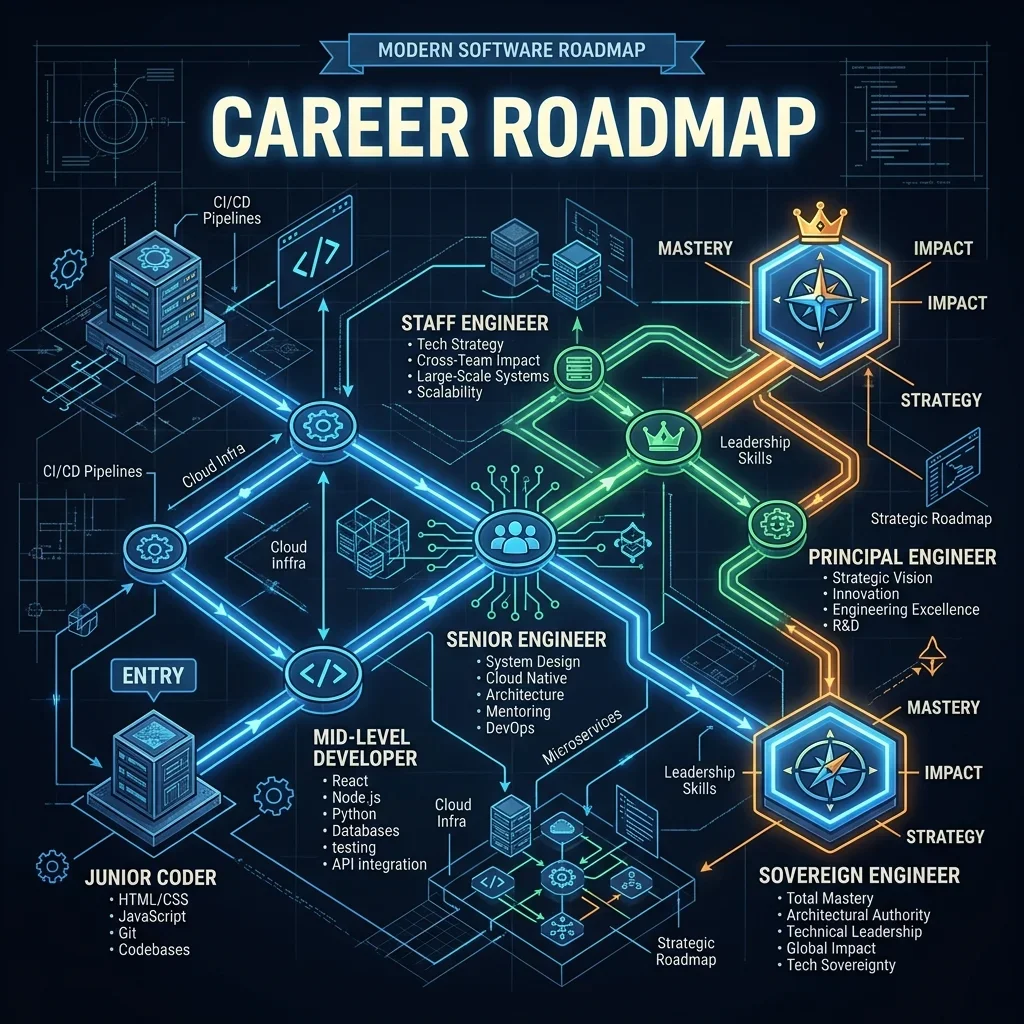
If you are an engineer experiencing AI coding anxiety, you must actively pivot your mindset. Here is a procedural roadmap to transition from a solution builder to a Sovereign Engineer.
Step 1: Shift from "How" to "Why"
When assigned a task, do not immediately open your editor and write code. Spend time understanding the business context. Ask questions:
- What business KPI does this feature affect?
- Is there a simpler way to achieve this result without adding more code?
- How does this fit into our 2027-2030 technology roadmap?
Step 2: Master Prompt-Driven Architecture
Learn to write specifications that AI agents can consume without ambiguity. This is not "prompt engineering" in the sense of finding magic words; it is clear, structured communication. Use Markdown to write precise technical briefs that define input/output contracts, edge cases, error handling strategies, and architectural constraints.
Step 3: Implement Rigid Quality Gates
Because AI can generate code rapidly, you must establish strict verification pipelines. Do not trust generated code blindly. Set up local testing environments, write robust unit tests (or instruct the agent to write them, then review them), and enforce strict CI/CD linting gates. Your value lies in your ability to detect subtle logical flaws that the AI misses.
Step 4: Scale Yourself through Agent Orchestration
Stop thinking of yourself as a single developer. Think of yourself as an engineering lead managing a virtual team of specialist agents. Assign roles: one agent for frontend, one for backend integration, one for security audits, and another for writing documentation. Coordinate their work and consolidate their outputs.
Real-World Examples & Business Case Studies
Let's look at how this shift is playing out in the industry.
Case Study 1: The Solopreneur SaaS Launch
In early 2026, a solo engineer wanted to launch a real-time log analytics platform to compete with Datadog. Traditionally, this would require a team of 5-10 developers, a DevOps engineer, and months of building.
Using the Sovereign mindset, the engineer acted as the architect. They defined the database schemas, specified the ingestion pipelines, and orchestrated a fleet of autonomous coding agents.
- The Intent: Build a high-throughput ingestion endpoint in Go, storing data in ClickHouse, with a Next.js visualization dashboard.
- The Execution: AI agents wrote 90% of the code, resolved package dependency conflicts, and generated Docker deployment files.
- The Result: The system was built and deployed to staging within 4 days. The engineer spent their time optimization-tuning ClickHouse indices and reviewing database lock logic—strategic tasks that required deep understanding but minimal boilerplate typing.
Case Study 2: Enterprise Legacy System Modernization
A Fortune 500 financial institution needed to migrate a legacy COBOL billing system to a modern microservices architecture running on AWS. The project was originally estimated at 2 years and $5 million.
A team of three Sovereign Engineers led the migration by orchestrating a dedicated migration agent cluster.
- Role of the Agents: Parse legacy COBOL files, extract business logic rules, and rewrite them into clean, test-driven Nest.js services.
- Role of the Sovereign Engineers: Audit the extracted business logic, define security boundaries for the payment modules, design the data migration strategy, and establish automated integration testing scripts.
- The Result: The migration was completed in 6 months, costing less than $1.2 million. The codebase was cleaner and safer because the engineers spent their time designing robust testing frameworks rather than manually translating old code lines.
Deep Analysis: The 2020 Coder vs. The 2026 Sovereign Engineer
To clarify this transition, let's contrast the operational difference between the traditional coder of the last decade and the Sovereign Engineer of today.
| Operational Dimension | The 2020 Traditional Coder | The 2026 Sovereign Engineer |
|---|---|---|
| Primary Input | Manual syntax writing (JS, Python, Java) via keyboard. | High-fidelity specifications, architectural templates, and intent parameters. |
| Core Skillset | Syntax mastery, API knowledge, algorithm memorization. | System design, business logic translation, security auditing, and agent orchestration. |
| Cognitive Budget | 80% Syntax/Debugging, 20% Product Strategy. | 15% Spec Audit, 50% System Architecture, 35% Domain Alignment. |
| Task Delivery Time | Days or weeks for feature branches. | Minutes or hours via autonomous iteration loops. |
| Unit of Scale | Individual developer hours. | Agent concurrency (scaling multiple virtual specialists simultaneously). |
Procedural Logic: Intent Orchestration Flow
How does a Sovereign Engineer actually direct a change? The process is a structured sequence of intent definition, agent execution, and human evaluation.
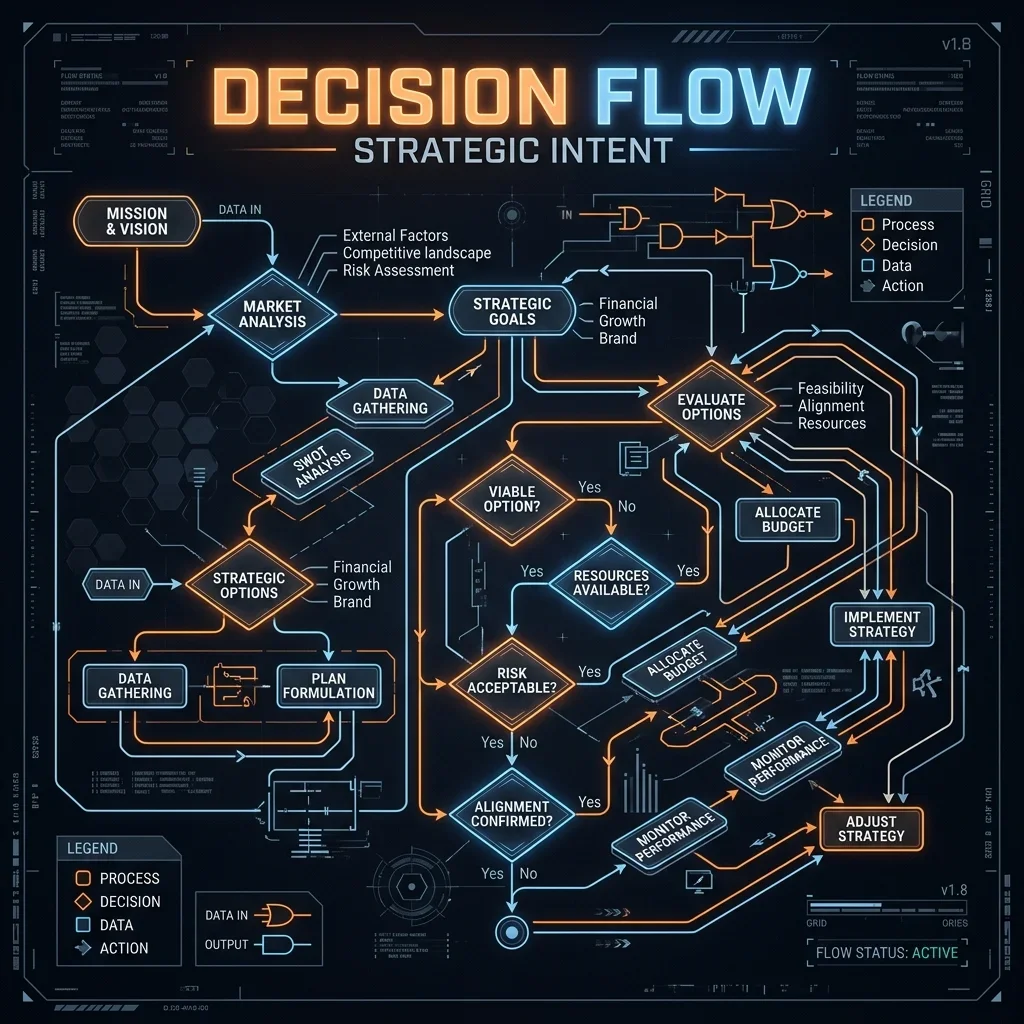
- Define Intent Bounds: Write the strategic spec. Specify what the system must do, what dependencies are permitted, and what testing coverage is required.
- Initialize the Agent Fleet: Pass the spec to the orchestration model. The model analyzes the existing repository and proposes a modification graph.
- Audit the Spec Match: The engineer reviews the proposed files to modify. If the agent proposes modifying files outside the logical domain (e.g., trying to fix database logic inside a frontend component), the engineer overrides the plan.
- Execute & Resolve: The agent runs the implementation loop, rewriting files, running linters, and executing unit tests. If compilation fails, the agent reads the error stack and self-heals.
- Governance Gate Audit: The engineer receives the completed, clean code diff. They inspect the logic for edge cases, performance vulnerabilities, and security flaws. Once approved, the code is integrated into main.
Pitfalls & Modern Anti-Patterns
Operating as a Sovereign Engineer requires discipline. The transition introduces new pitfalls that developers must actively avoid.
1. The "Rubber-Stamp" Anti-Pattern
Because AI agents generate clean-looking diffs quickly, it is tempting to approve them without close inspection. This is called rubber-stamping. It leads to logical drift, where the application behaves correctly in basic tests but contains deep state bugs or race conditions that only show up under production load.
- The Fix: You must read the code diff line-by-line. Treat the AI agent like a junior developer who writes very neat code but doesn't fully understand the business logic.
2. Spec Sprawl (Feature Bloat)
Since writing code is fast, teams often start requesting dozens of features that aren't necessary. This increases the surface area of the application, making it harder to test, maintain, and secure.
- The Fix: Remember that the best code is no code at all. True strategic intent often means telling the business team: "We can achieve 90% of this goal by modifying a single database field, rather than building a whole new microservice."
3. Ignoring Architectural Drift
AI agents excel at localized code modifications, but they lack a long-term architectural vision. If left unchecked, agents will add ad-hoc helper functions, duplicate logic across components, and bypass established architectural patterns to solve a local problem quickly.
- The Fix: Keep a clear, updated
ARCHITECTURE.mdor.cursorrulesfile in the root of your repository. This file serves as the system ruleset that agents must read before modifying any code.
Futuristic Horizon: 2027-2030 Roadmap
As we look toward the end of the decade, the role of the Sovereign Engineer will continue to expand.
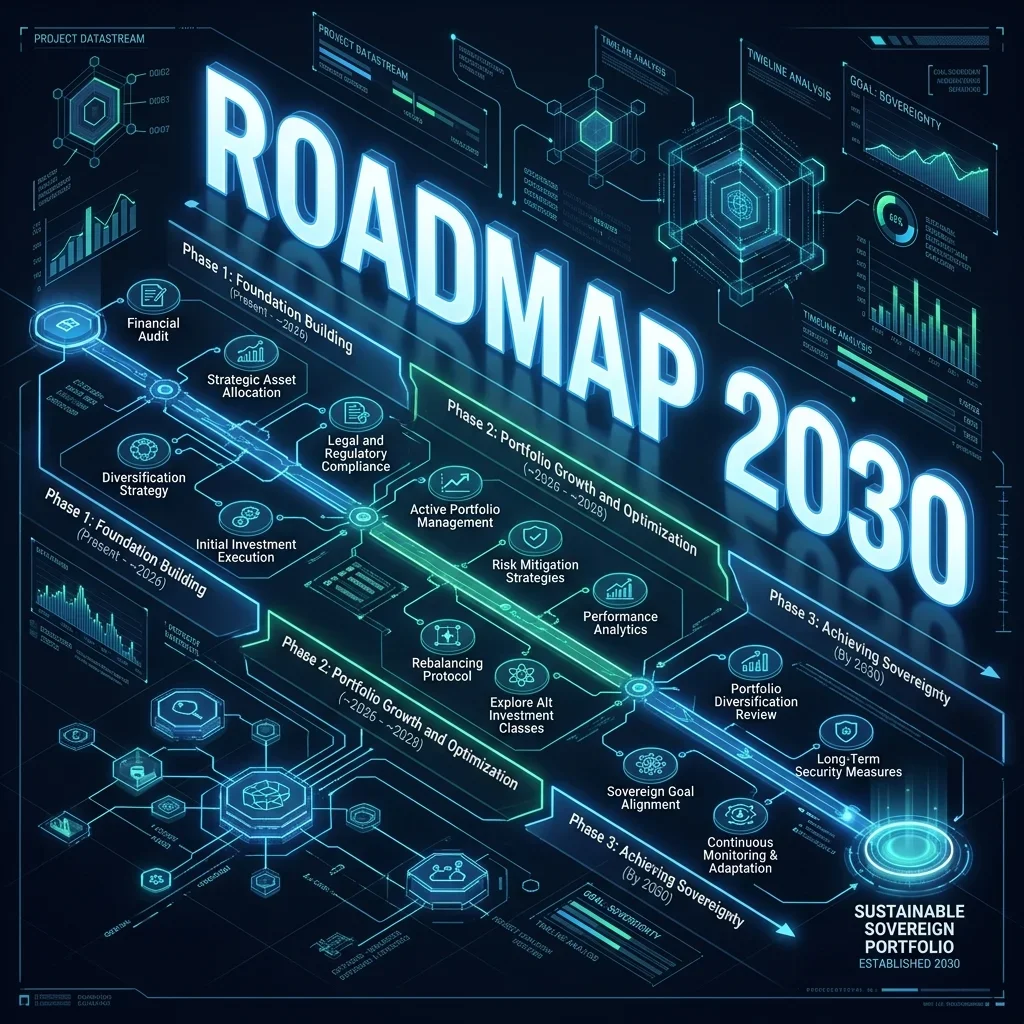
- 2026-2027 (The Era of Agentic Orchestration): Multi-agent graphs handle localized, multi-file code tasks. Engineers focus on setting up quality gates, database schemas, and system specifications.
- 2028-2029 (Zero-Code Generation / Platform Synthesis): AI engines synthesize entire deployment environments, databases, and microservices directly from systemic architecture briefs. Sovereign Engineers transition to platform orchestrators, managing the interaction between different company products and business domains.
- 2030 (Autonomous Value Realization): The feedback loop between user behavior and product development becomes semi-autonomous. The Sovereign Engineer monitors value realization dashboards, directing agents to deploy product changes based on automated user-engagement audits. The focus is entirely on product vision, user empathy, and business growth.
Key Takeaways
- Syntax is Commoditized: Manual code writing is no longer the primary value driver of a software developer. AI agents can write and compile code faster and cheaper.
- Strategic Intent is Supreme: The human developer’s true value lies in what they build and why, not the mechanics of typing code.
- Transition to Sovereign: To survive AI coding anxiety, developers must learn system design, security auditing, and agent orchestration.
- Guardrails are Vital: Sovereign engineers implement strict quality gates, automated testing, and clear architectural specs to prevent logical drift.
- 2030 Vision: The future belongs to technologists who can translate business vision into high-fidelity agentic specifications, bridging the gap between product strategy and machine execution.
FAQ
Does the Sovereign Engineer still need to know how to code?
Yes, absolutely. To audit generated code, identify logical flaws, and design system architectures, you must understand code deeply. However, your relationship with code changes: it becomes a reading and auditing skill rather than a writing skill.
How can I start practicing the Sovereign mindset today?
Stop writing boilerplate code manually. Use tools like Cursor or Antigravity to generate components, tests, and API routes. Focus your energy on writing clean specifications, structuring your database schemas, and reviewing the generated diffs for edge cases.
Will this reduce the number of software engineering jobs?
While it may reduce the need for entry-level boilerplate coders, it will increase the demand for high-value engineers who understand system architecture and business objectives. A single Sovereign Engineer can achieve the output of an entire traditional engineering team.
How do I prevent AI agents from introducing security vulnerabilities?
You must establish strict CI/CD pipelines that run automated security scanners (SAST, DAST, dependency checks). Additionally, you should instruct your security-focused agents to audit the generated code before it is presented to you for human review.
What soft skills are most important for a Sovereign Engineer?
Critical thinking, domain expertise, communication, and systems thinking. You must be able to translate vague business goals into precise technical instructions and understand the systemic downstream consequences of architectural choices.
About the Author
Vatsal Shah is a veteran technology leader, architect, and software strategist specializing in AI integration, engineering leadership, and digital transformation. With over a decade of experience building scalable enterprise architectures and leading high-performing technical teams, Vatsal writes about modern developer mindsets, autonomous agent design, and the intersection of technology and business strategy at shahvatsal.com.
Conclusion
The future of software development is not the death of the engineer, but the elevation of the practitioner. By offloading syntax generation to autonomous agents, developers are freed to focus on what truly matters: solving real problems for real users. Embracing the Sovereign Engineer mindset is the key to thriving in this new agentic era.
If you are looking to audit your team’s development efficiency, modernize your technology stack, or deploy autonomous AI integrations securely, feel free to reach out for a consultation.