STRATEGIC OVERVIEW
Practitioner breakdown of Sovereign Architecture: Reclaiming Data Independence from the Cloud in 2026 — written for CTOs, VP Engineering, and India GCC leads shipping production AI with measurable ROI.
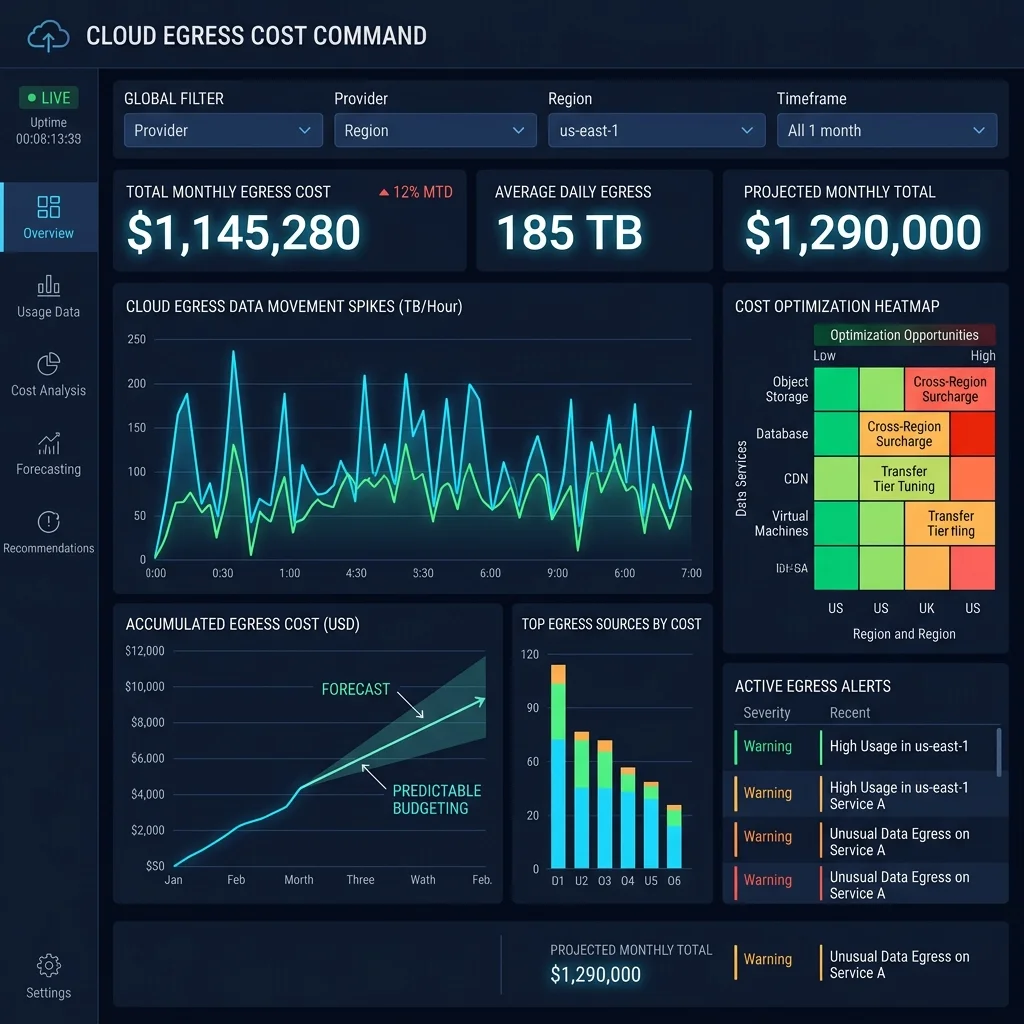
1. The Economics of Egress: The Silent Profits Killer
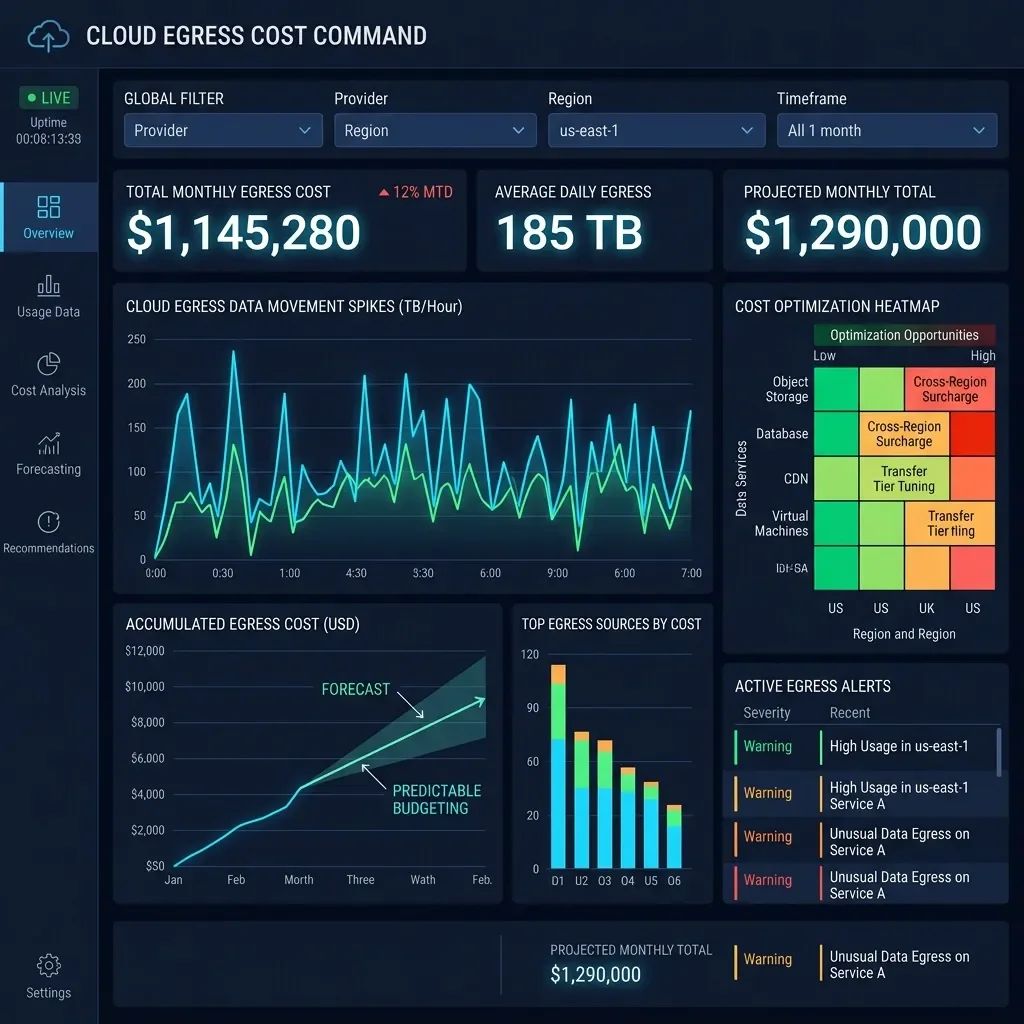
The primary catalyst for the Sovereign shift isn't just security--"it is economics. Specifically, the 'Ransom Fee" of the modern era: Cloud Egress.
In a standard Retrieval-Augmented Generation (RAG) architecture, data flows constantly. Large datasets must be synced, vectorized, and moved between storage pools and inference clusters. If your data lives in a public hyperscaler but your specialized AI agents operate across a multi-region hybrid environment, the cost of moving that data out of the cloud often exceeds the cost of the compute itself.
The "Cost-by-Design" Shift
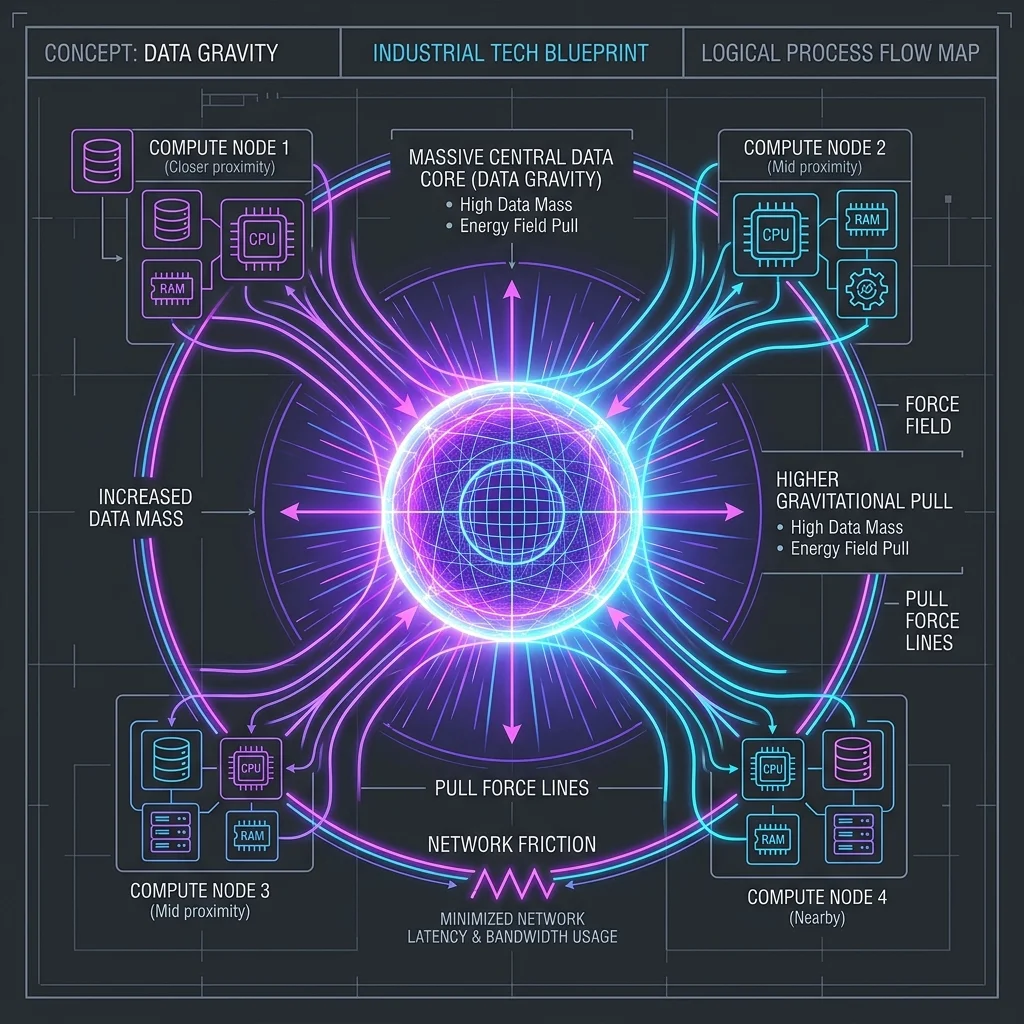
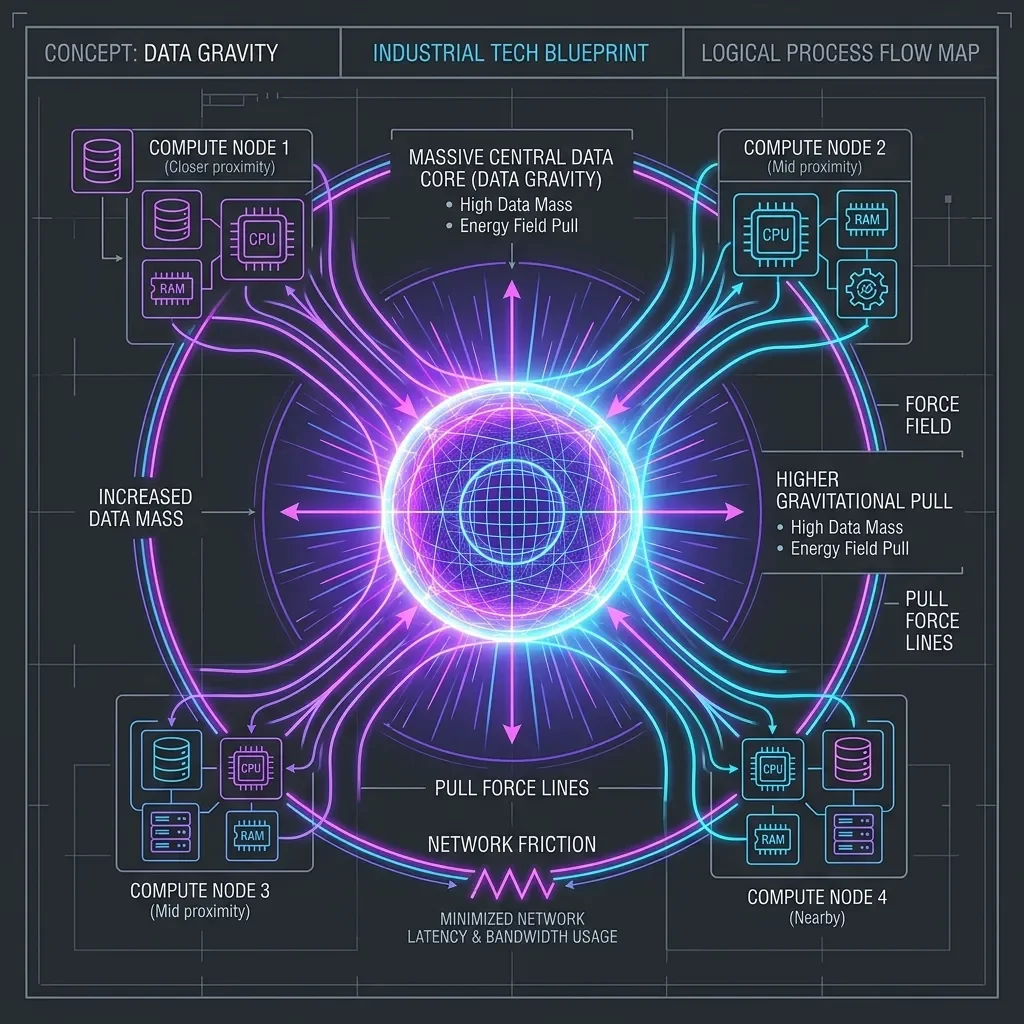
Previously, FinOps was a reactive discipline. Engineers built, and accountants complained. In 2026, Cost-by-Design is the standard. We architect with the "Data Gravity" in mind. By keeping the core datasets and the high-frequency inference nodes in a private, sovereign environment, enterprises eliminate the variable friction of egress pricing.
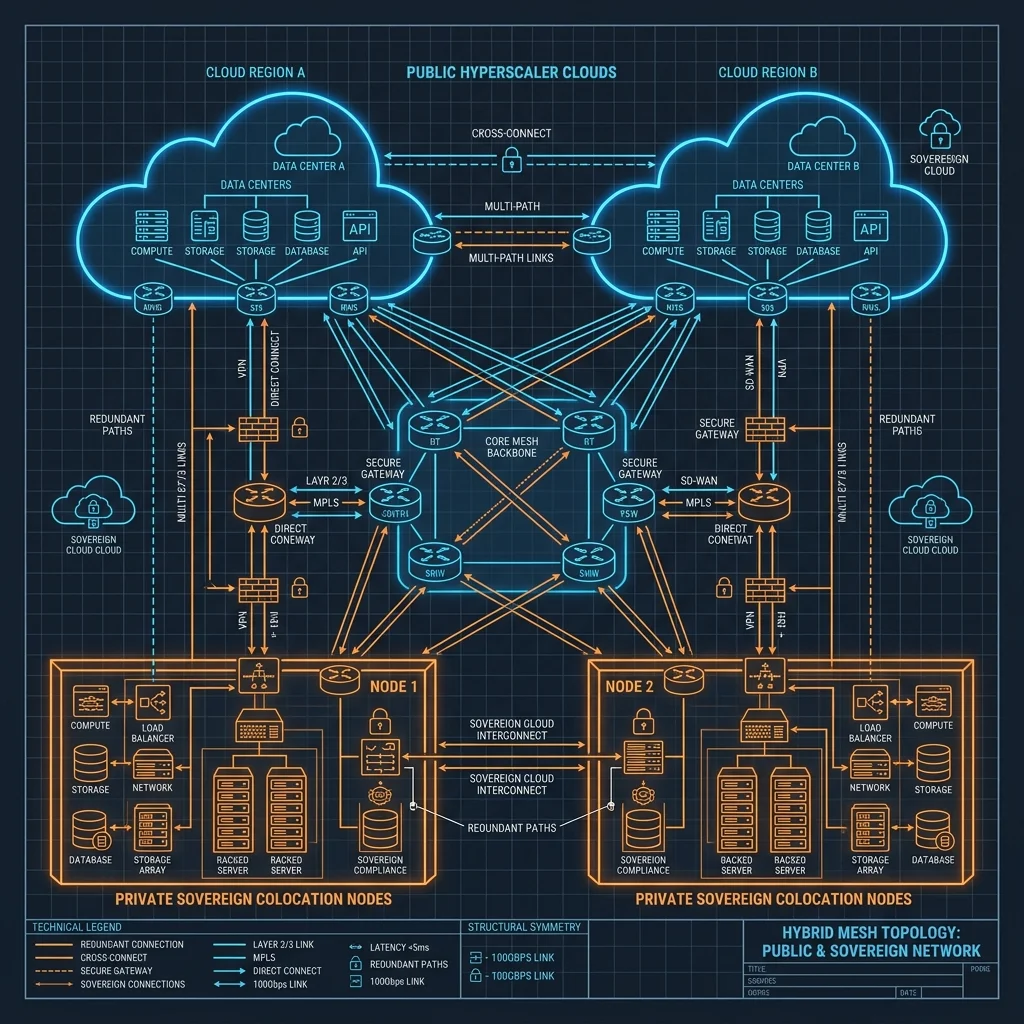
2. The Hybrid Mesh Topology
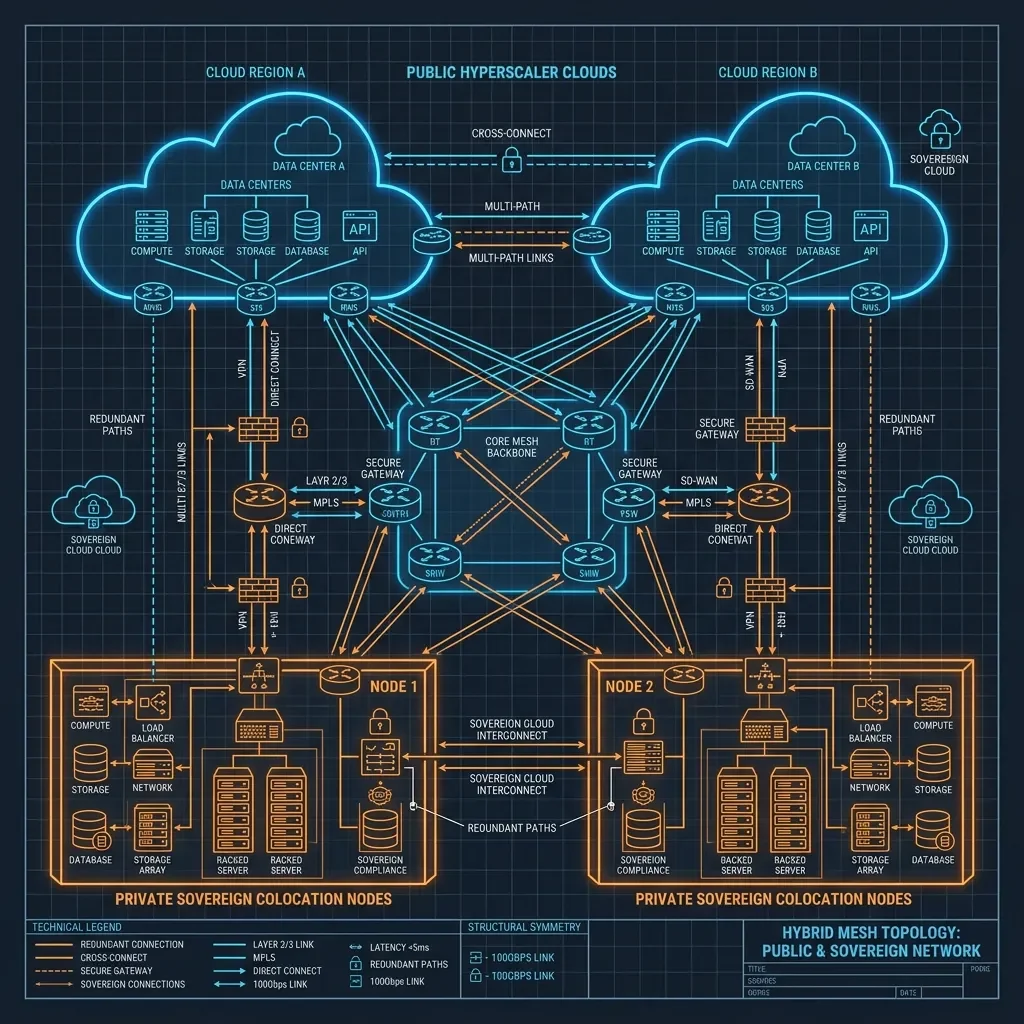
Sovereign Architecture does not mean building your own data centers from scratch. Instead, it leverages a Hybrid Mesh Topology.
The Public Plane (Elasticity)
The public cloud remains the perfect environment for:
- Massive LLM Training: Leveraging thousands of H100s for a 3-week burst.
- Public-Facing Apps: Hosting the front-end nodes that interact with millions of edge users.
- Elastic Experimentation: Spinning up sandbox environments in seconds.
The Private Sovereign Plane (Durability & Control)
Steady-state enterprise AI lives in the Sovereign Plane. This typically consists of specialized colocation or high-performance private clusters.
- Inference Clusters: Running fine-tuned Llama 3 or Mistral models natively on Vatsal's optimized stack.
- Vector Datastores: Keeping million-row knowledge graphs physically close to the inference compute.
- PII Processing: Handling sensitive employee or customer data without it ever leaving the corporate network boundary.
Practitioner Insight: The Sovereignty Pivot
Last year, we assisted a Fortune 500 financial firm that was spending over $1.2M annually solely on cloud networking and inter-zone egress. By transitioning their core customer-intelligence RAG pipeline to a specialized "Sovereign AI Node"--"a high-density cluster in a regional colocation facility directly linked to their private fiber--"we reduced their monthly infra bill by 62% while improving inference latency by 140ms. Sovereignty pays for itself.
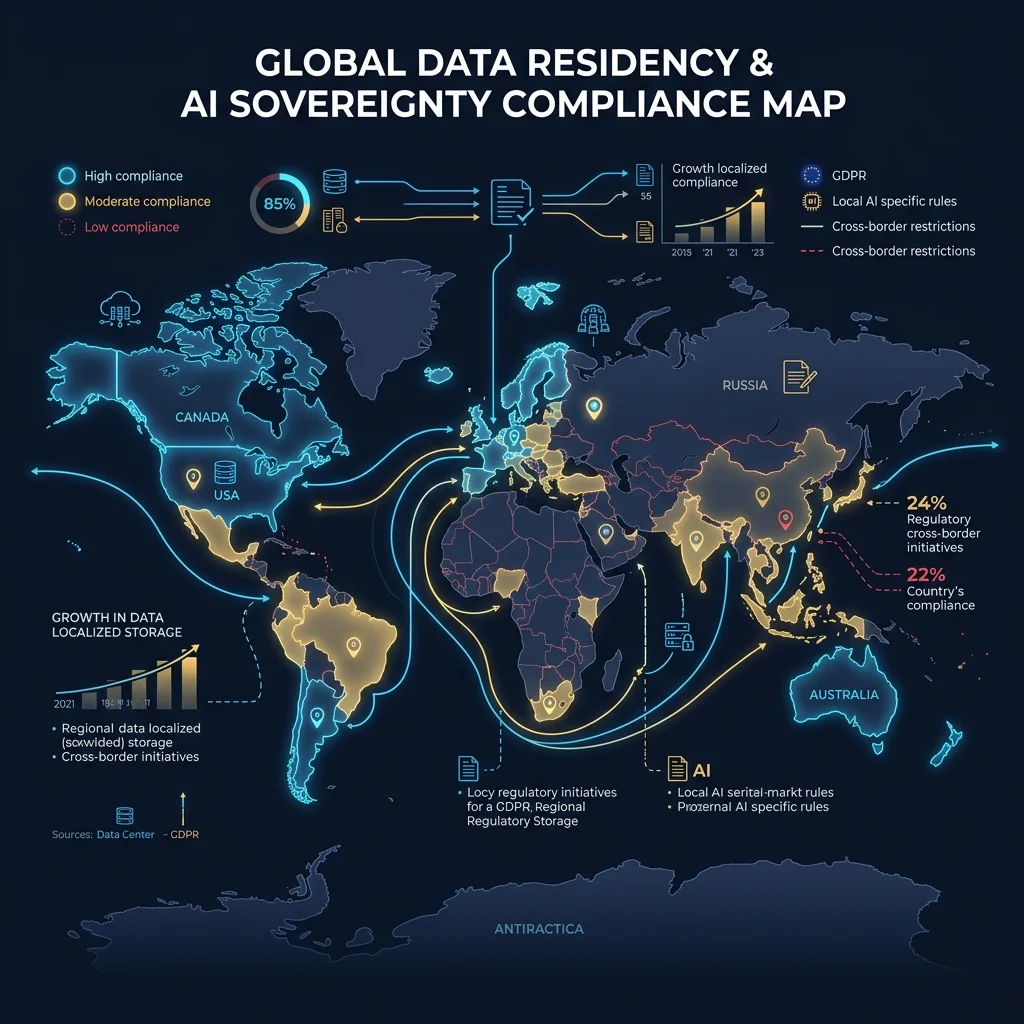
3. Data Residency as a Technical Requirement
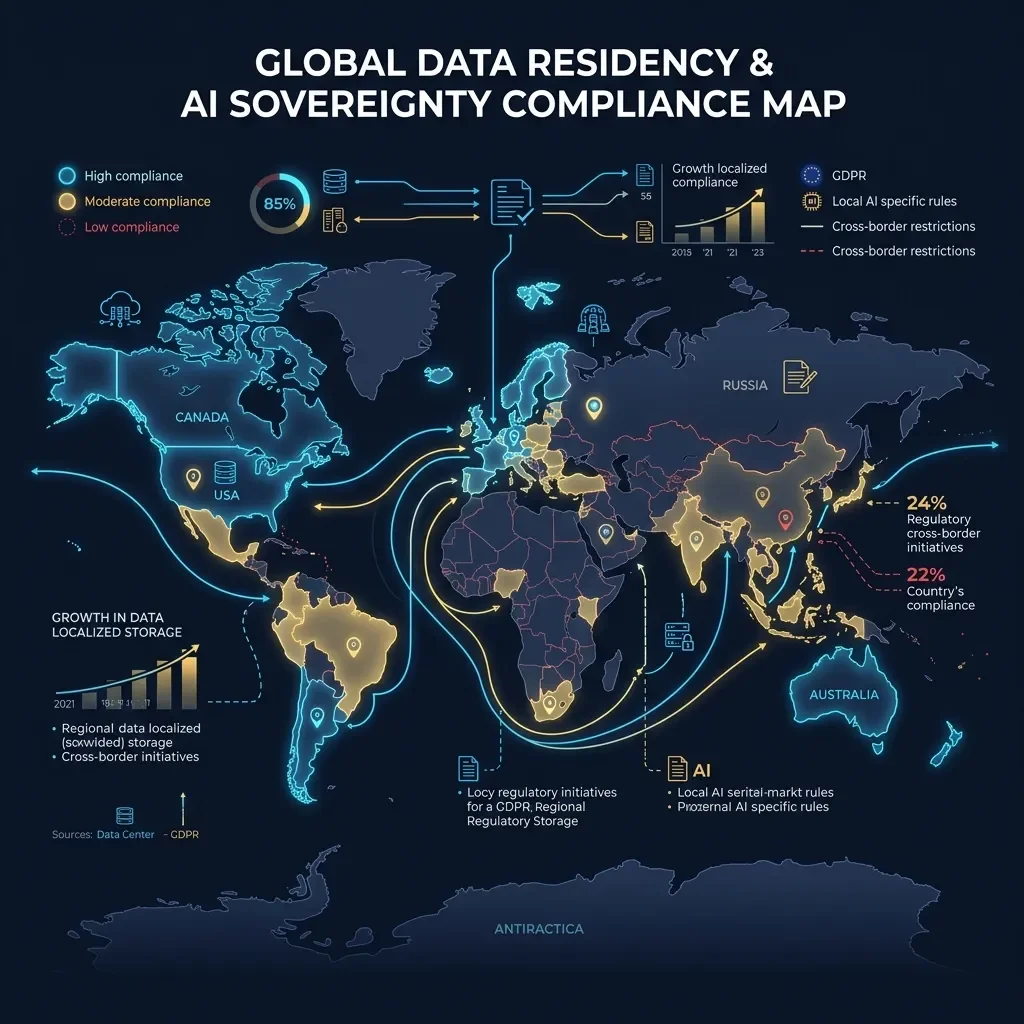
Data residency is no longer just a checkbox for the legal department. Following the 2025 "Sovereignty Mandates" in the EU and emerging US state-level privacy acts, the physical location of your AI's "Training Memory" is a technical constraint.
Operational Sovereignty means that not only does the data sit in your region, but the software stack that manages it is not subject to foreign "kill switches" or metadata harvesting. By deploying private AI stacks on sovereign hardware, enterprises ensure that even if a hyperscaler faces a regional outage or a legal conflict, the core business logic remains online.
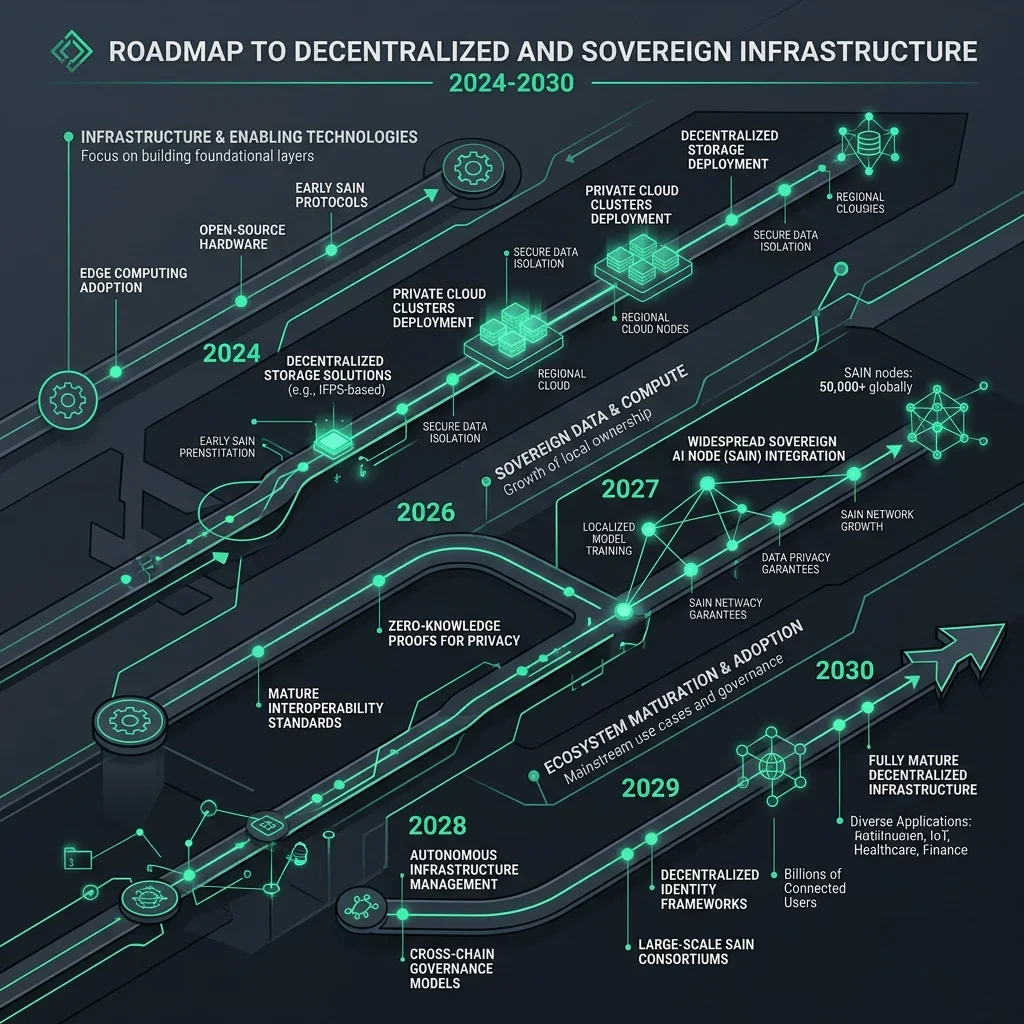
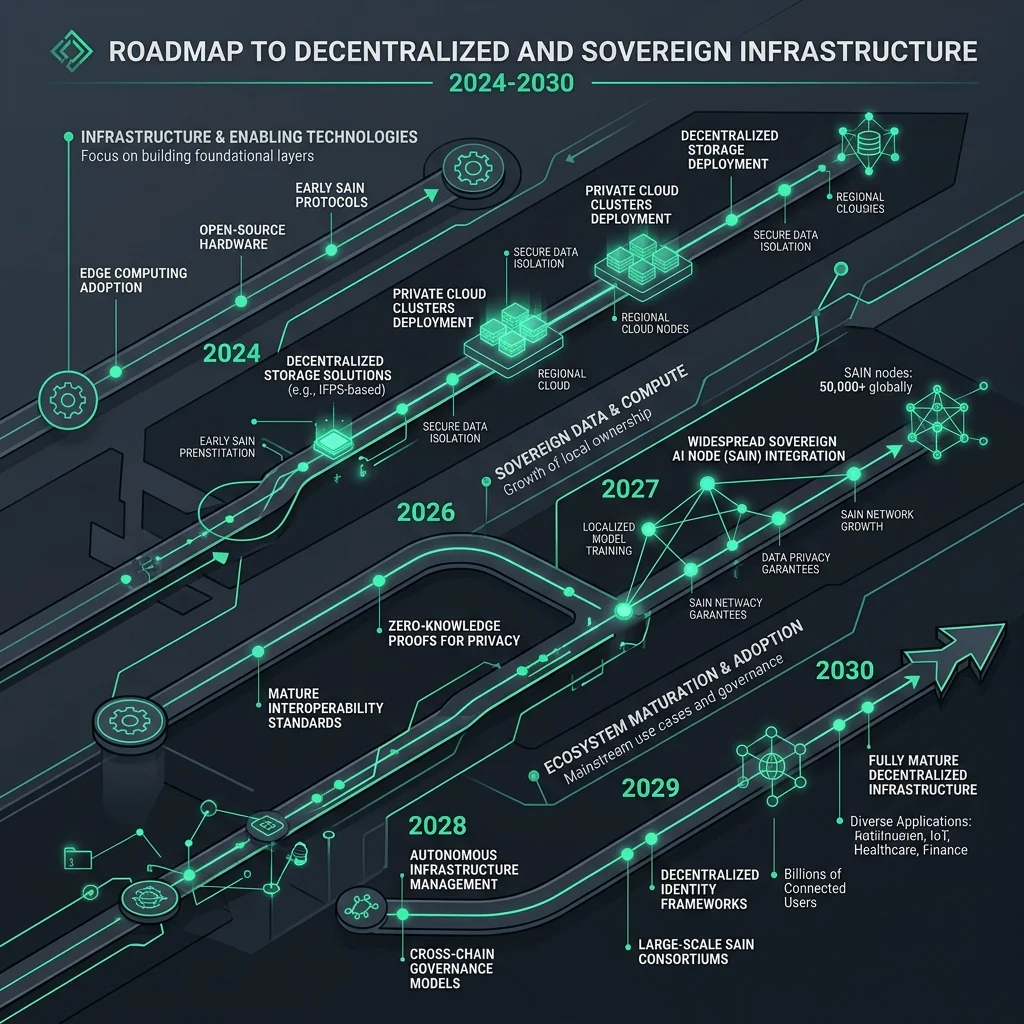
4. The Sovereign AI Node (SAIN)
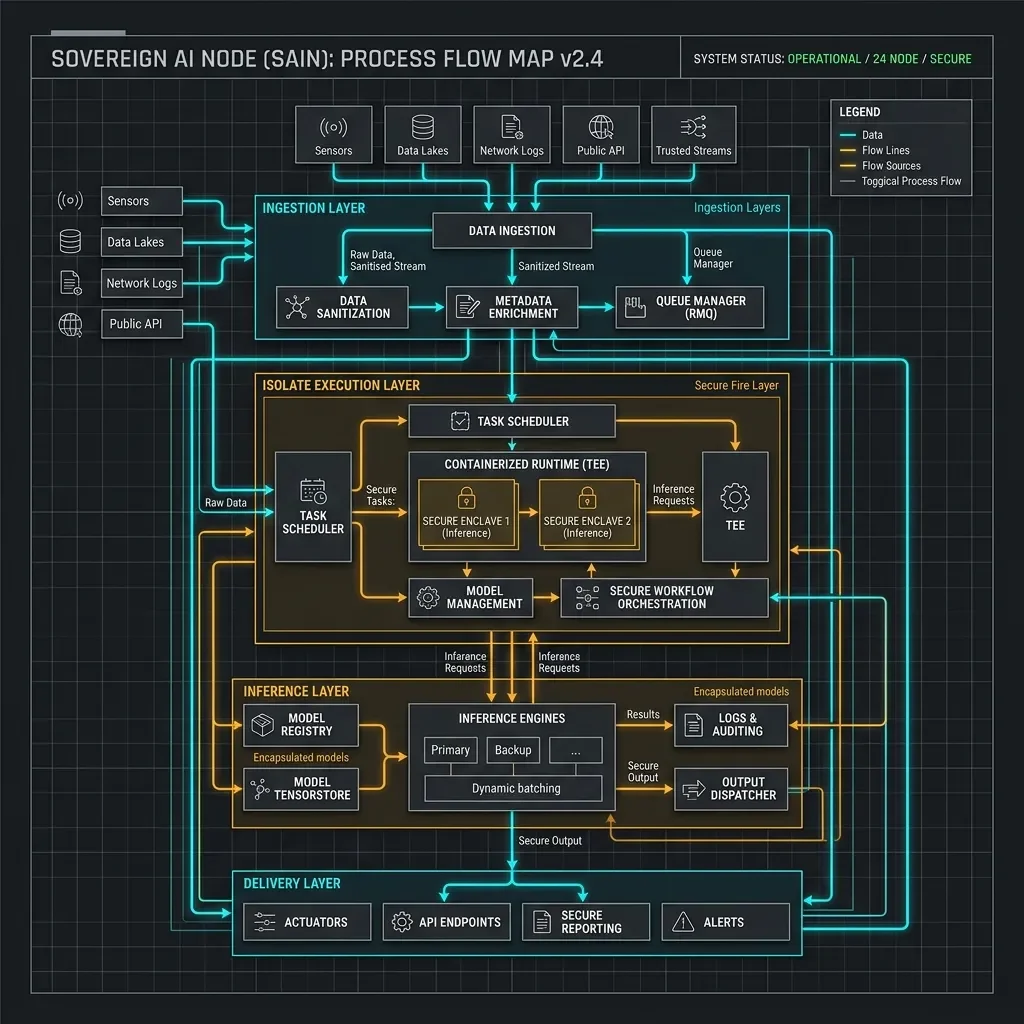
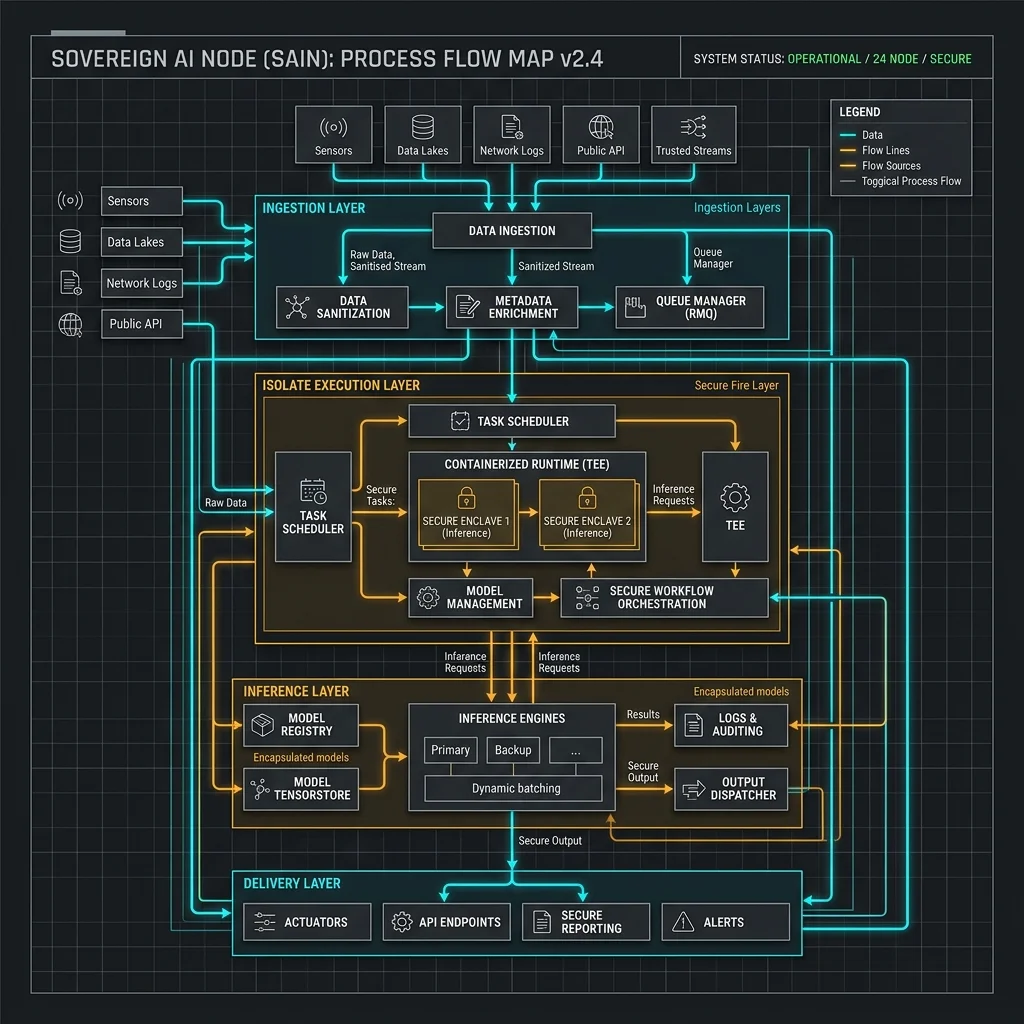
We have formalized the atomic unit of this new architecture: the Sovereign AI Node (SAIN).
A SAIN is a self-contained, high-performance execution environment that integrates:
- Direct Ingestion: Native high-speed fiber for local data intake.
- Isolate Execution: Sandboxed compute (often via Deno or isolated Docker) that prevents data leakage.
- Local Inference Engine: Tools like vLLM pre-compiled for the specific rack silicon.
By treating infrastructure as a collection of independent SAINs rather than one nebulous "cloud," enterprises achieve the ultimate goal: Deterministic Scalability.
5. Deployment: The Private AI Stack
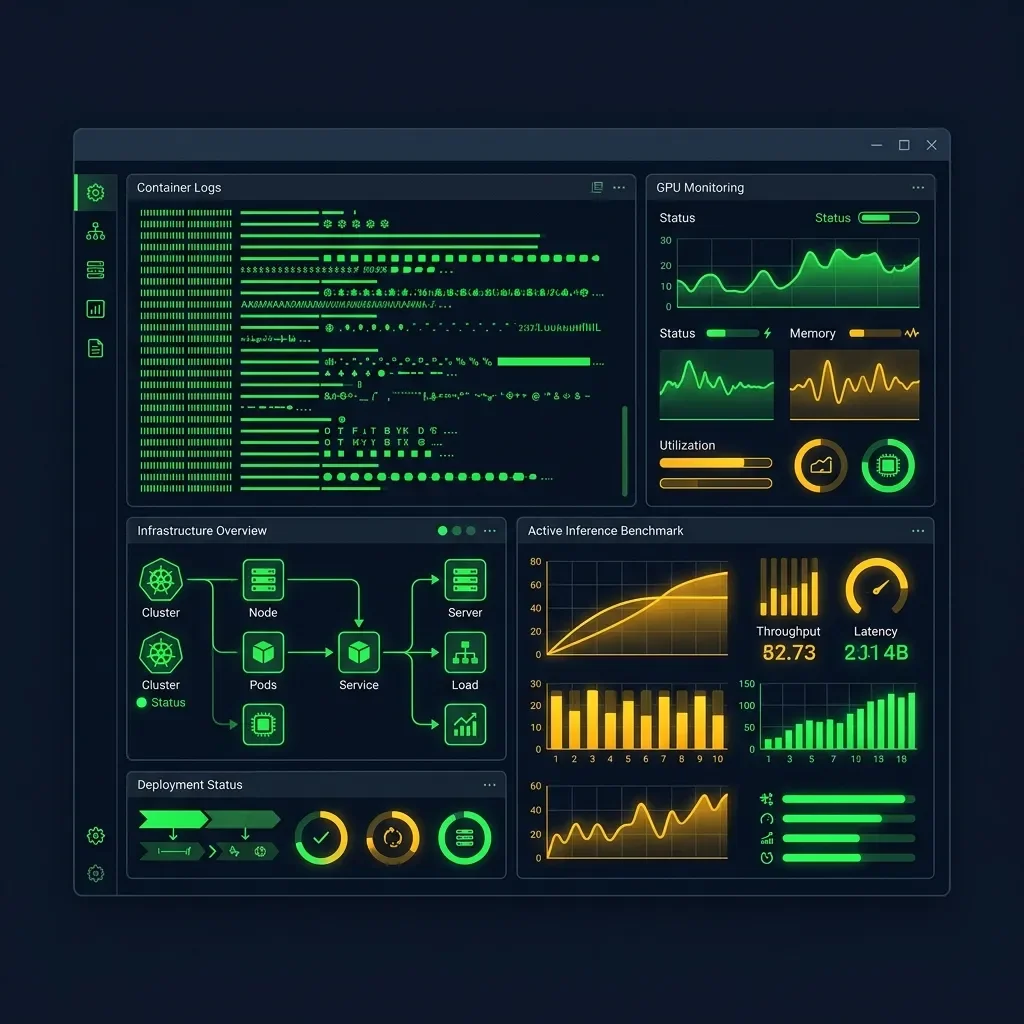
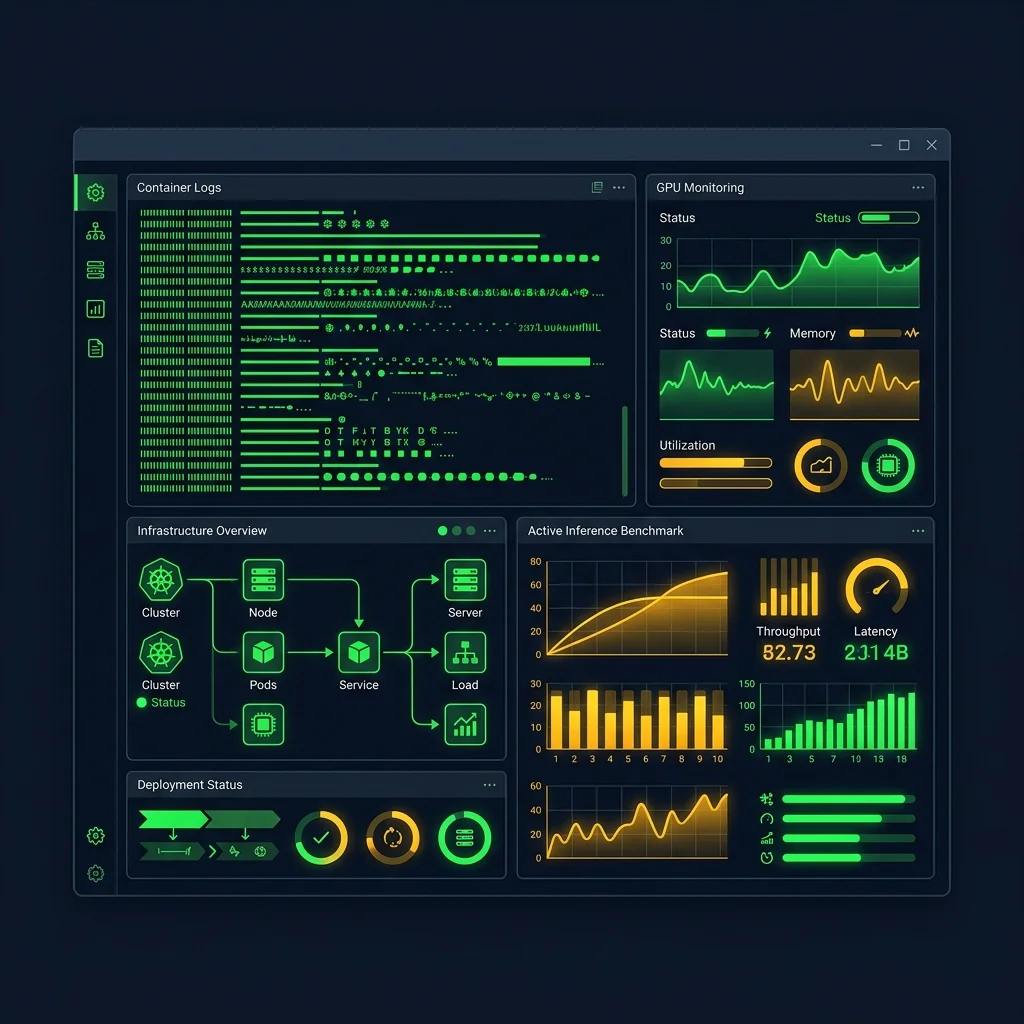
Deploying a private stack is no longer the "Linux SysAdmin Nightmare" it was in 2018. Continuous delivery pipelines now allow us to push containerized LLM weights and orchestration logic (like our Python Control Plane) to private clusters with the same velocity as public cloud deploys.
Conclusion: Reclaiming the Future
The shift toward Sovereign Architecture is not a rejection of progress. It is the mature realization that in an AI-driven economy, Compute is the new Electricity and Data is the new Currency. No sovereign entity allows their entire electrical grid or currency supply to be controlled exclusively by a single, foreign, third-party provider.
By architecting for independence, reclaiming control over egress economics, and hardening your data residency, you aren't just building a "backup plan"--"you are building a Sovereign Future.
Does Sovereign Architecture require me to build my own Data Centers?
Absolutely not. Most organizations use "Managed Colocation"--"leasing a secure cage or a pre-configured AI-rack in a specialized, carrier-neutral data center. You own the hardware and the data; they provide the power, cooling, and network pipe.
How do I handle backups in a Sovereign model?
We recommend an 'Alternate-Hyperscaler" strategy. Keep your primary live data on your sovereign node, but encrypt and "glacier-archive" backups on a completely different public cloud provider to ensure 3-2-1 backup compliance.
Is the latency worse than Public Cloud?
Often, it is actually better. Because your sovereign node is physically dedicated to your tasks and has a direct connection to your corporate fiber, you eliminate the "noisy neighbor" effect and multi-tenant throttle typical in shared hyperscaler environments.
How does this affect AI Agent performance?
Agents perform significantly better because the "Reasoning Loop" (the time between an agent making a decision and getting a result) is tightened. By keeping the Agent Orchestrator and the Vector DB in the same high-speed rack, you minimize the "Action Gap."
What is the first step toward reclaiming Sovereignty?
Conduct an Egress Audit. Identify exactly how much of your monthly cloud spend is going toward moving data between services. That number is your starting budget for your first private AI node.
About the Author
Vatsal Shah is a world-class AI Solutions Architect and the principal engineer behind the Sovereign Industrial Blueprint. He specializes in building high-performance Agentic Mesh systems and architecting private, data-independent infrastructure layouts for Fortune 500 innovators. Vatsal consults for global firms on closing the 'Sovereignty Gap' and building infrastructure that scales deterministically.
Additional Intelligence Assets