STRATEGIC OVERVIEW
Practitioner breakdown of Multi-Agent Orchestration (MAO): Moving Beyond Single-Prompt Autonomy in 2026 — written for CTOs, VP Engineering, and India GCC leads shipping production AI with measurable ROI.
1. The Fragmentation Crisis: Why Single Agents Failed
To understand MAO, we must first understand why the "Mega-Agent" model failed. In 2024 and 2025, developers tried to build agents that did everything: research, code, test, and deploy.
Logical Fatigue & Intent Drift
As the task list grew, the agent's performance degraded exponentially. This phenomenon, known as Contextual Fragmentation, occurred because the agent's internal reasoning was forced to switch between too many cognitive modes. By the time the agent reached step 10, it had often "drifted" from the original user intent.
In 2026, we solve this by applying the Micro-Agent Principle: Each agent is a specialist with a narrow tool-set and a specific behavioral boundary. MAO is the "Control Plane" that manages how these fragments come together to form a whole.
For more on building reliable agentic nodes, see our deep-dive on Clean Code 2026.
2. The Agentic Handshake: Formalizing Protocol
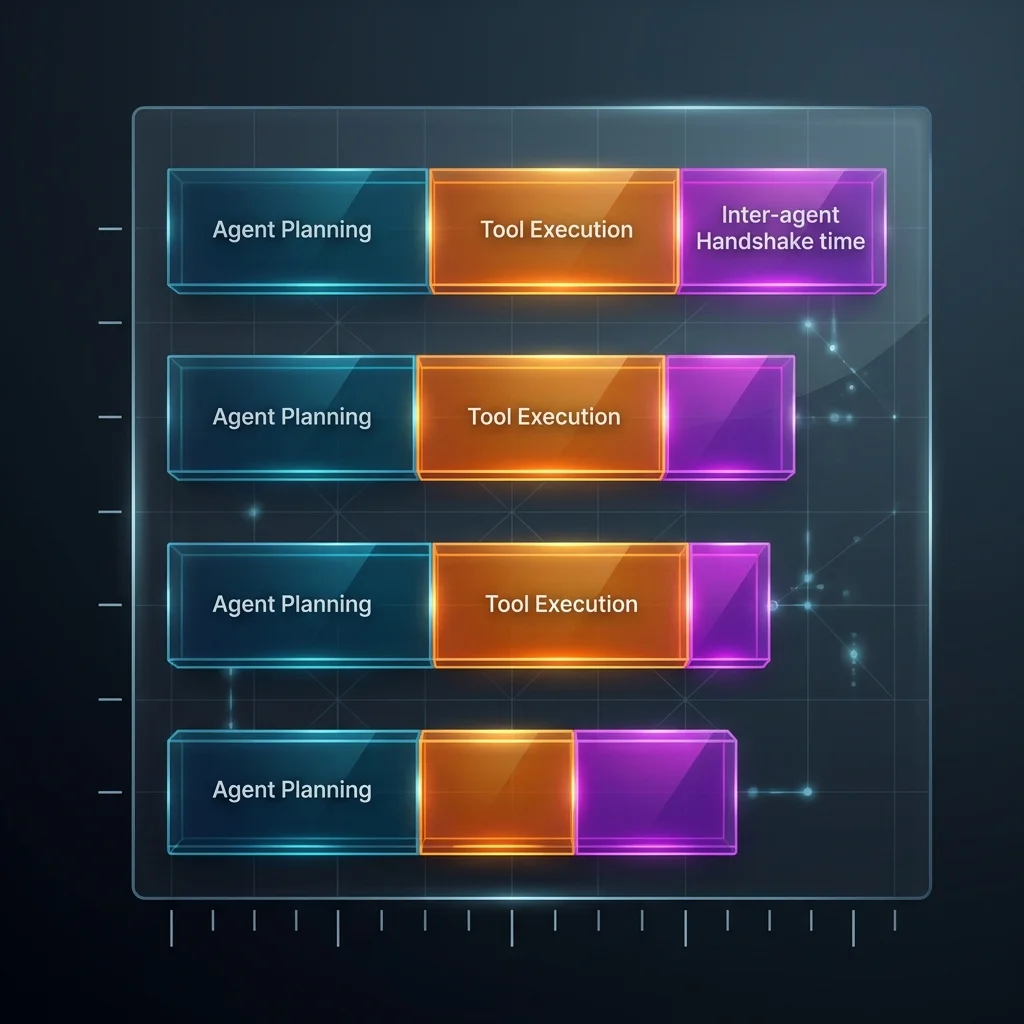
In a Multi-Agent system, the most dangerous moment is the Handoff. If Agent A passes a task to Agent B without clear metadata, the system collapses into a recursive loop or an incoherent result.
From Text to Handshaking
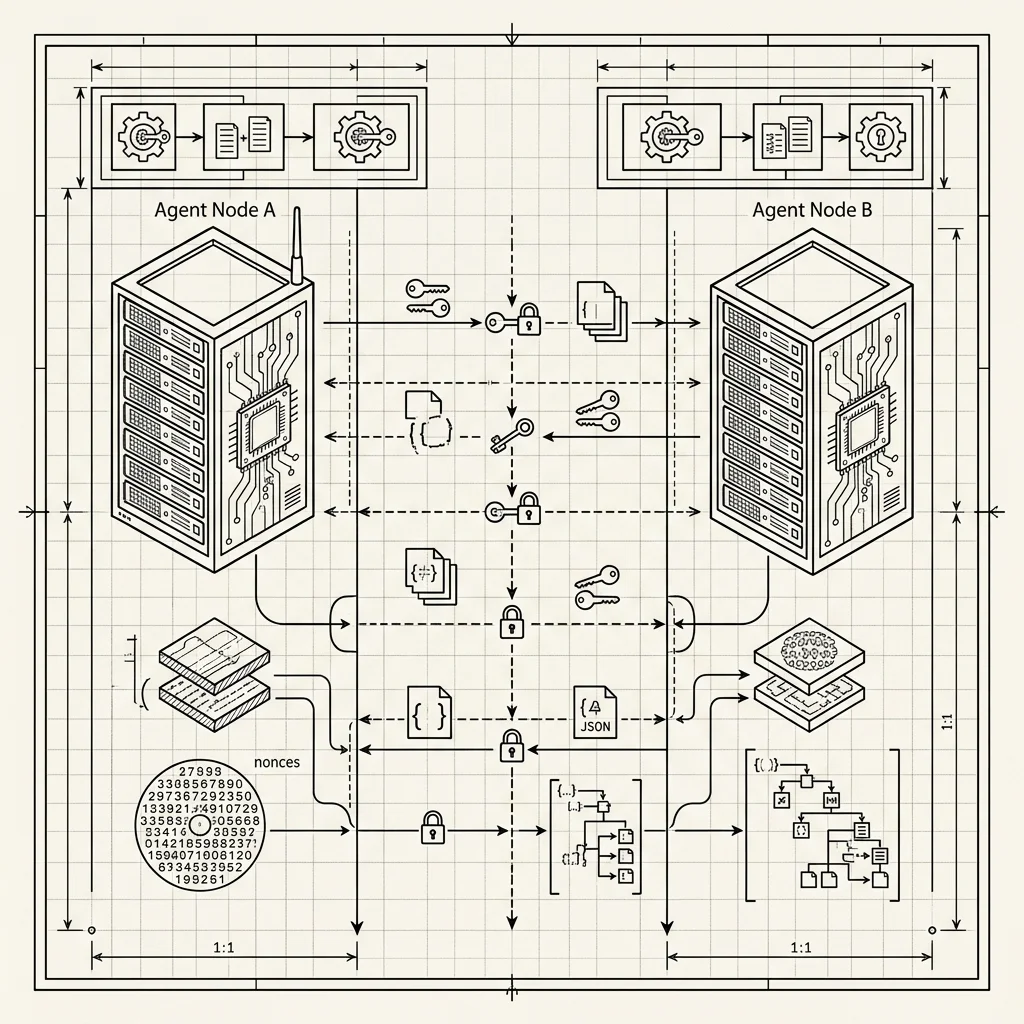
The breakthrough of 2026 is the Agentic Handshake. Before Agent A delegates to Agent B, they perform a formal negotiation:
- Capability Discovery: Agent A queries Agent B's manifest to confirm it has the necessary
TOOL_PERMISSIONS. - Constraint Negotiation: Agent A passes a
SCOPE_LIMIT(token budget and time-to-live) to ensure Agent B doesn't go rogue. - Cryptographic Handshake: The exchange is signed via the Agentic Link protocol, creating a non-repudiable audit trail of the delegation.
Standardizing this handshake has reduced "Orchestration Errors" in enterprise swarms by over 65%.
3. Stateful Graphs: The End of Linear Chains
Traditional "Chains of Thought" were linear. If step 2 failed, the chain died. In 2026, we have moved to Stateful Graphs.
Cyclic Reasoning & Loops
Using frameworks like LangGraph, we now architect agents as nodes in a state machine. This allows for Cyclic Reasoning:
- Step 1: The Developer Agent writes code.
- Step 2: The Reviewer Agent finds a bug.
- Step 3: The Graph loops back to Step 1 for remediation.
This back-and-forth isn't a failure--"it's a feature. By maintaining a centralized State Object, every agent in the swarm has a 'Shared Memory," ensuring that the Reviewer's feedback is precisely interpreted by the Developer.
Practitioner Insight: The 'Infinite Loop' Kill Switch
When I architected a multi-agent billing auditor, the 'Research Agent' and 'Validation Agent' entered a 20-minute recursive loop because they couldn't agree on a specific currency conversion. We now mandate a MAX_RECURSION_DEPTH header in every state transition. If a graph loops more than 5 times without a 'delta' in the state object, it triggers a Human-in-the-Loop (HITL) prompt. Orchestration isn't just about letting agents work; it's about knowing when to stop them.
4. Durable Execution: The Safety Net of MAO
Enterprise swarms often perform tasks that take minutes or even hours to complete. In 2026, we do not rely on a simple HTTP request to wait for an agent's response. We use Durable Execution.
Resilience by Default
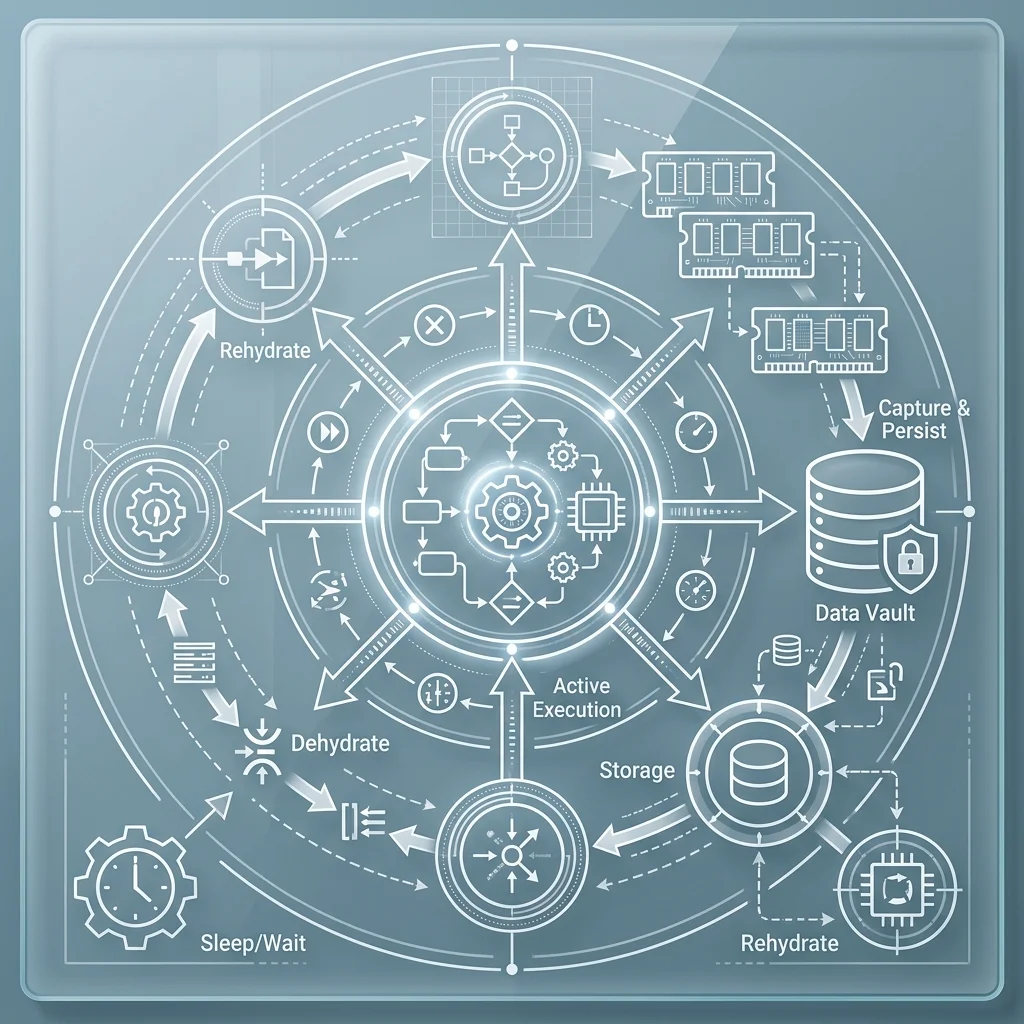
By using patterns derived from Temporal or Durable Task Frameworks, we ensure that if a server crashes midway through a complex 4-agent negotiation, the state is persisted. When the system reboots, the agents pick up exactly where they left off.
This "Hydration/Dehydration" of agent state is the difference between a "Chat Wrapper" and a "Critical Enterprise System."
5. Control Plane Patterns: Hierarchical vs. Peer
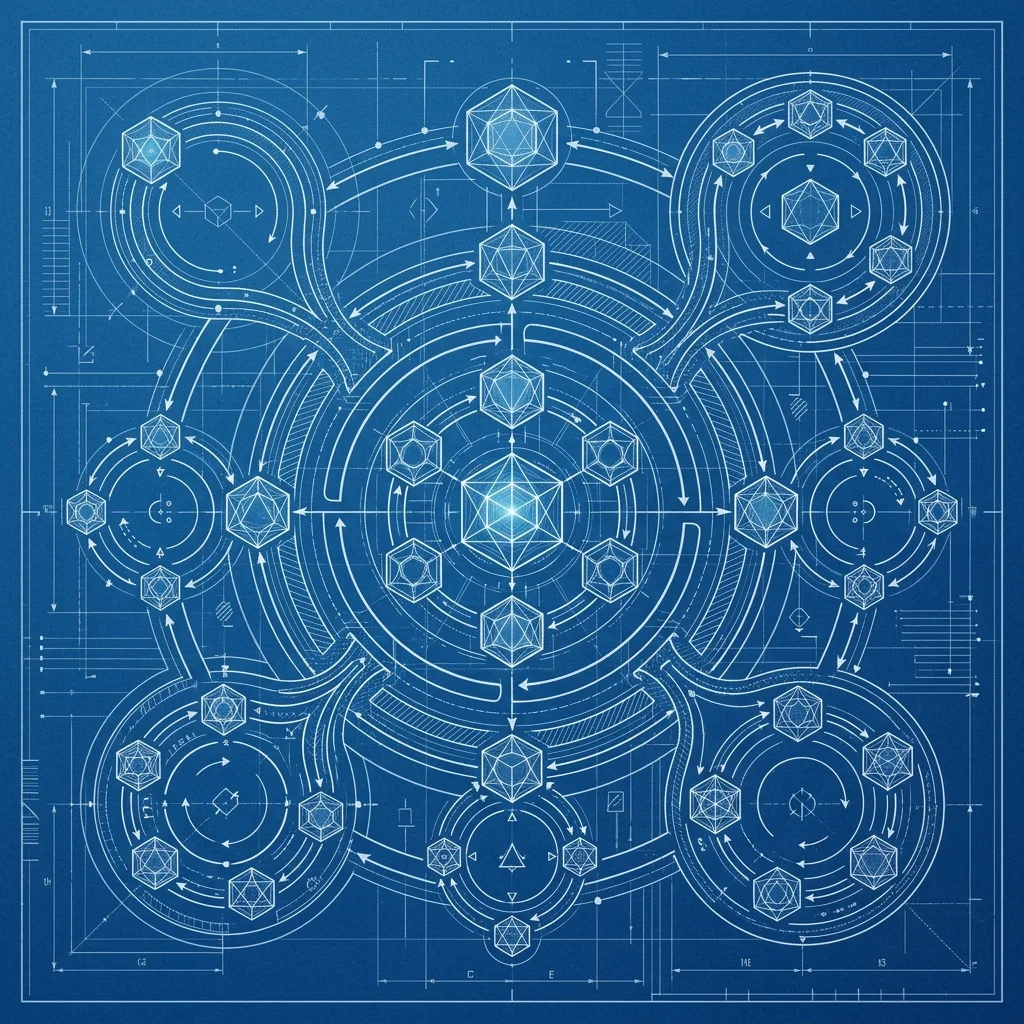
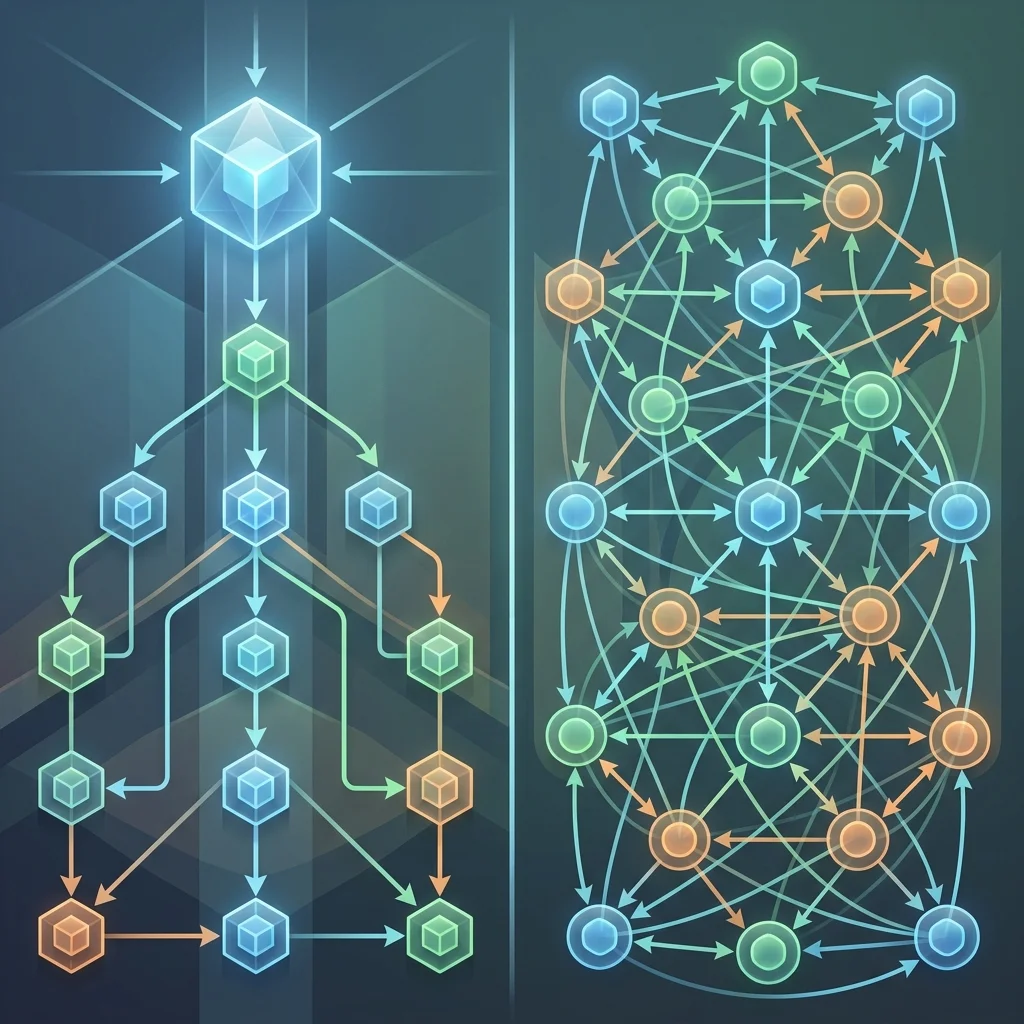
The "Topography" of your swarm determines its efficiency. In 2026, we categorize MAO into three primary patterns:
- Hierarchical (The Supervisor): A primary agent acts as the manager, delegating tasks to specialists. Best for linear, well-defined workflows.
- Peer-to-Peer (The Choreography): Agents negotiate directly without a central master. Best for emergent problem solving and creative research.
- The Hybrid Mesh: A combination where sub-swarms are managed by local supervisors, all reporting into a global state graph.
6. Operationalizing the Swarm: The Orchestrator UI
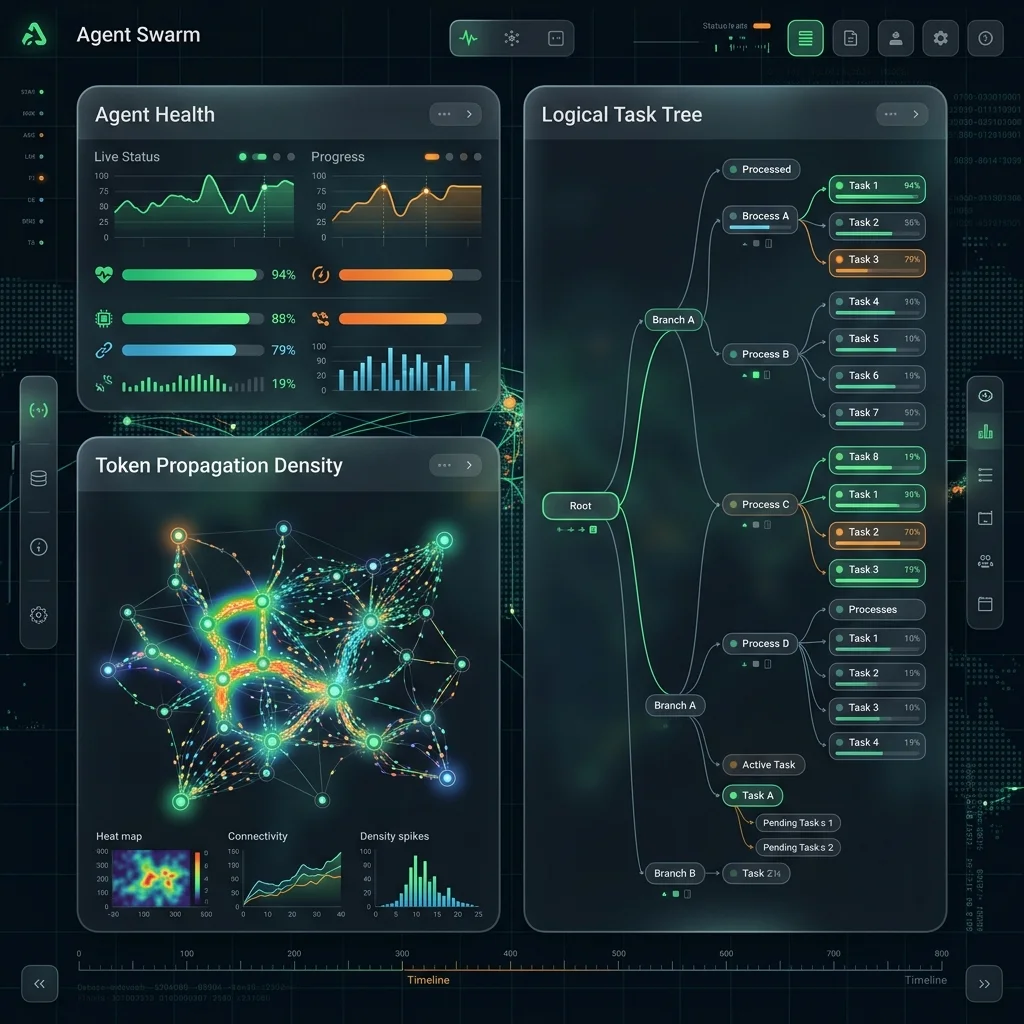
You cannot manage what you cannot see. In 2026, the "Terminal Log" is no longer sufficient. Enterprise MAO requires an Industrial Orchestrator UI.
This interface allows operators to see "Agent Health," "Token Propagation" (how many tokens are being burned in inter-agent chatter), and the "Logical Tree" of the current swarm's decision-making process.
By 2030, we will move beyond framework-specific orchestration (like LangGraph or CrewAI) toward Global Agentic Meshes. We will see the emergence of a decentralized "Broker Layer" where agents from different organizations can discover, negotiate, and execute swarms dynamically across borders.
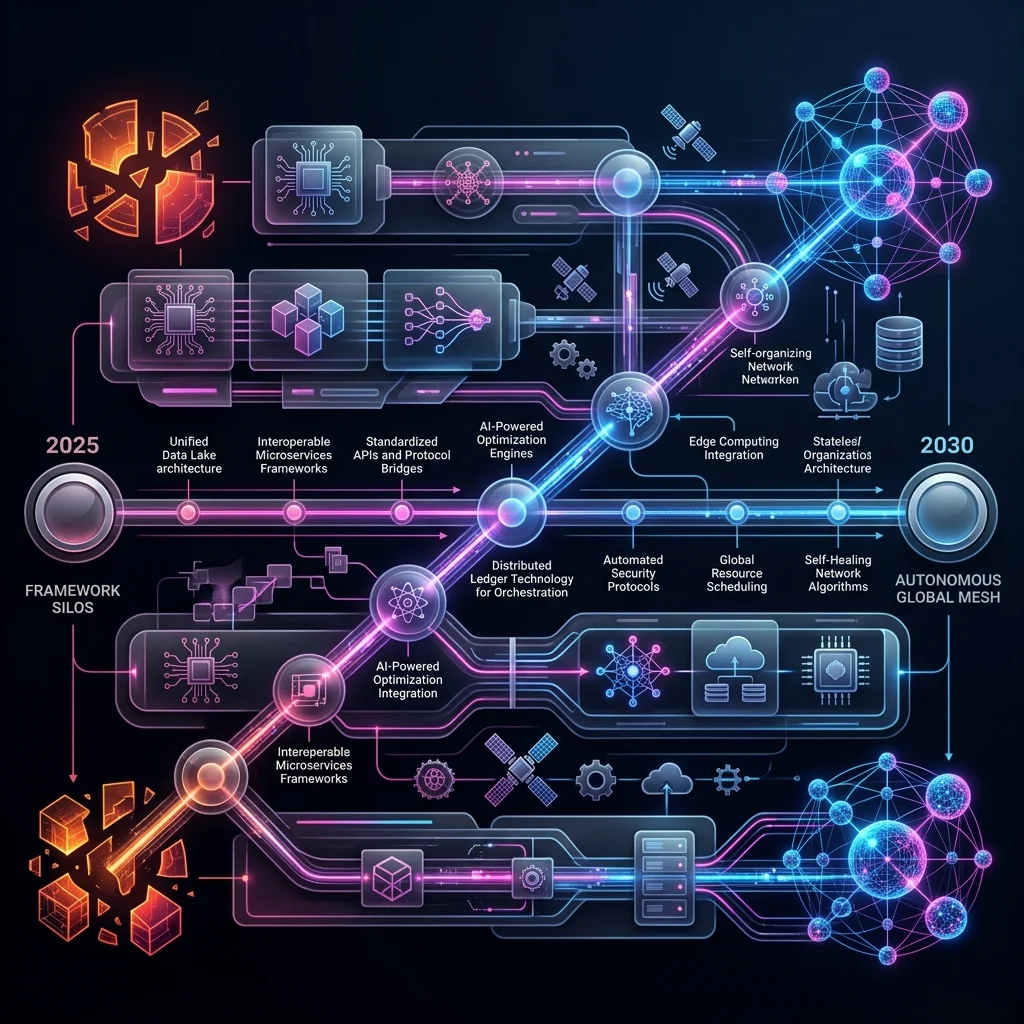
Figure 8: The Horizon --" Transitioning from monolithic frameworks to universal agentic interoperability.
What is the difference between an 'Agentic Workflow' and 'Multi-Agent Orchestration'?
An agentic workflow is typically a single agent moving through a predefined set of tools or prompt steps. Multi-Agent Orchestration (MAO) involves multiple specialized agent nodes (e.g., a 'Researcher," a "Writer," and a "Fact-Checker") that negotiate, hand off tasks, and maintain a shared state via a formalized control plane.
Why is LangGraph preferred for MAO in 2026?
LangGraph provides a first-class "Stateful Graph" architecture. Unlike linear chains, LangGraph allows for cycles, which are essential for agents to perform self-correction, looping back to previous steps when an error or low-quality result is detected.
What are the primary metrics for measuring swarm success?
In 2026, we prioritize "Token Propagation Density" (the ratio of inter-agent tokens to final output), "Task Completion Resilience" (success rate without human restart), and "Agent Recovery Latency" (how fast a swarm self-heals after a tool failure).
How does 'Durable Execution' help in multi-agent systems?
Durable execution ensures the state of a swarm is persisted at every transition node. If the infrastructure fails or a human approval step takes three days, the agents can be "thawed" and resume their exact logical state without re-running previous expensive steps.
Is Hierarchical orchestration better than Peer-to-Peer?
It depends on the task. Hierarchical orchestration (Supervisor) is easier to debug and more predictable for enterprise business logic. Peer-to-Peer (Choreography) is better for exploratory tasks where the sequence of steps isn't known in advance.
About the Author
Vatsal Shah is a world-class AI Solutions Architect specializing in Industrial Agentic Infrastructure. He designs the stateful graphs and durable orchestration layers that power the next generation of autonomous enterprise swarms. Vatsal consults for global technology leaders to move beyond "Chatbot" pilots into production-grade multi-agent meshes that scale.
Additional Intelligence Assets