STRATEGIC OVERVIEW
Practitioner breakdown of Engineering Management v2.0: Leading 'Human-Agent' Hybrid Teams in 2026 — written for CTOs, VP Engineering, and India GCC leads shipping production AI with measurable ROI.
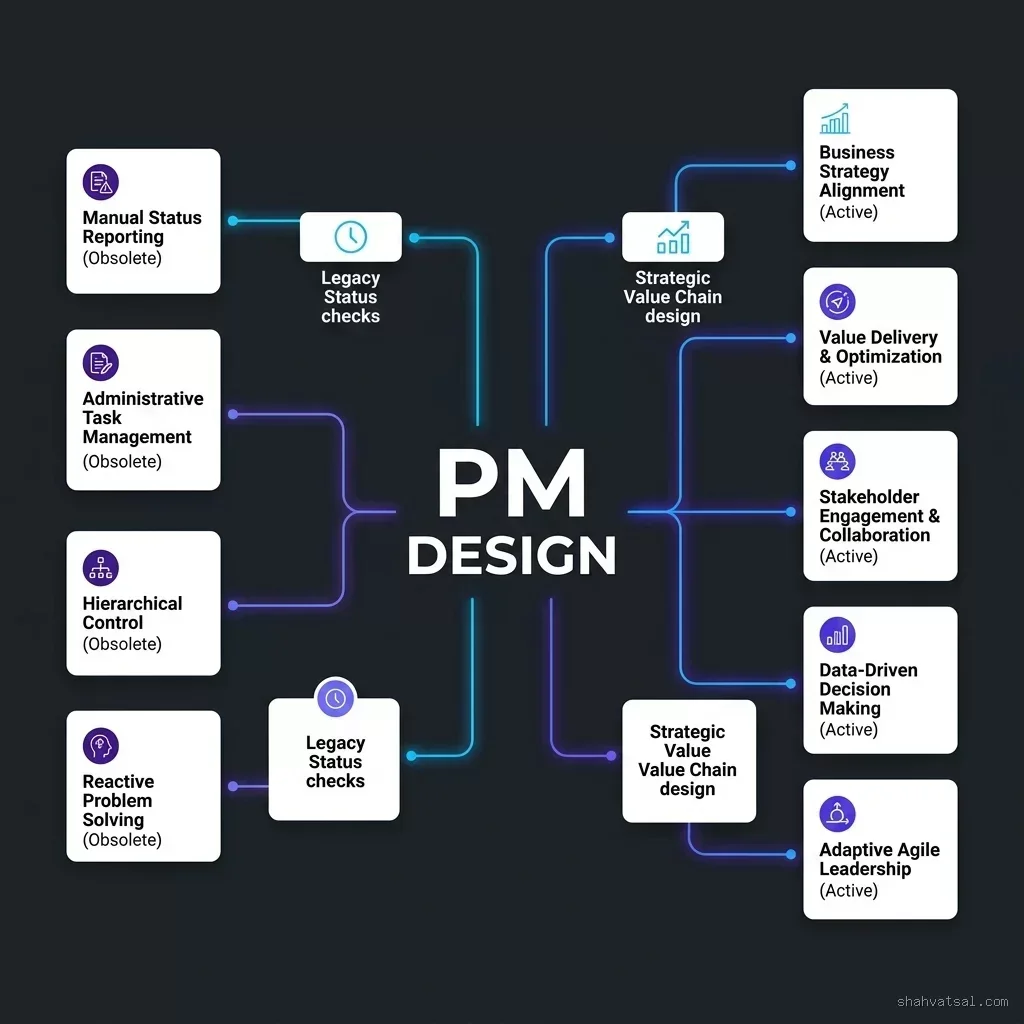
1. The Management Pivot: From Oversight to Orchestration
In 2024, if a developer was slow, a manager looked at their GitHub commits. In 2026, if a team is slow, the manager looks at their Agentic Saturation.
The fundamental role of a leader has changed from supervising work to architecting the environment where work happens autonomously. In this new paradigm, oversight is automated, and the manager's value is found in High-Context Strategic Alignment.
Leaders who focus on "status updates" are replaced by AI-driven reporting bots. Leaders who focus on "Architectural Intent" and "Value Engineering" are the new elite.
2. The Centaur Pod: The 2026 Organizational Unit
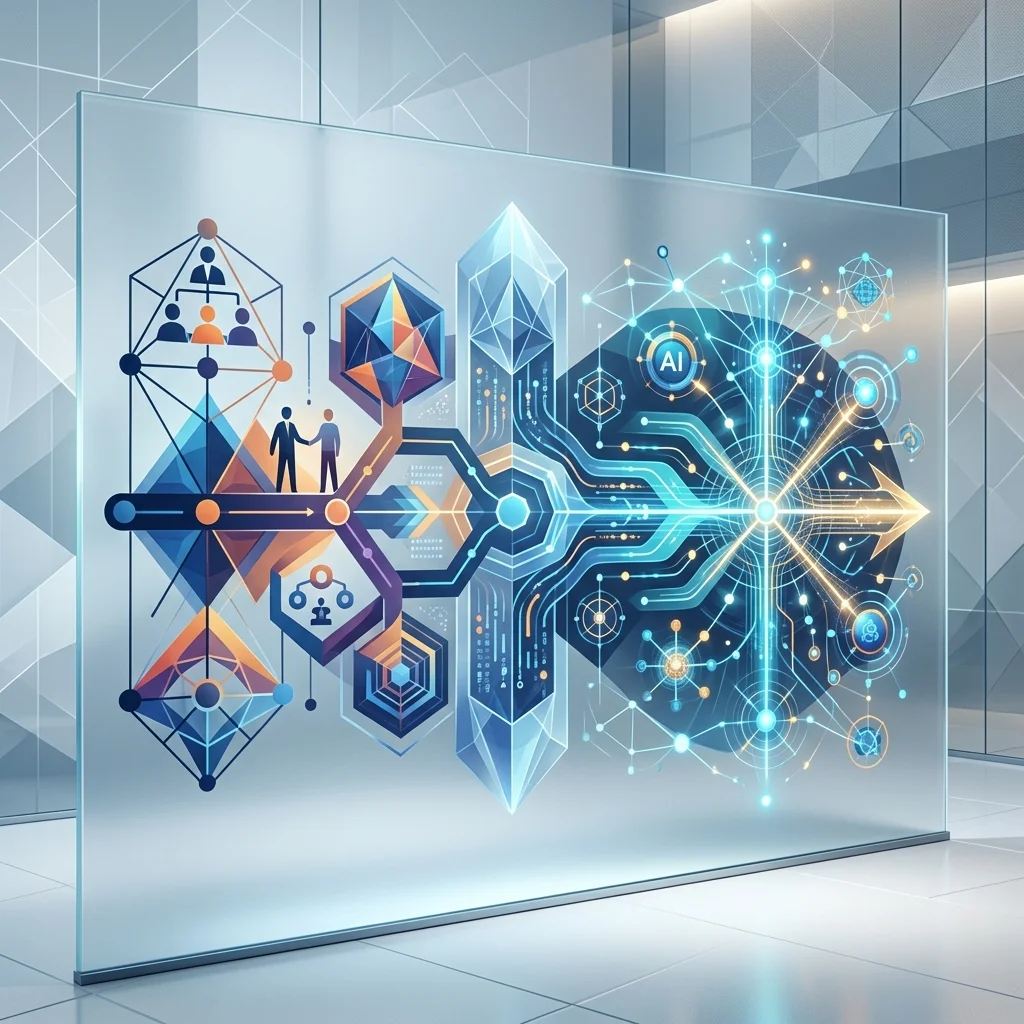
The era of the 10-person "scrum team" is over. It has been replaced by the Centaur Pod. Inspired by the chess-playing hybrids of the late 20th century, a Centaur Pod is a high-performance unit designed for maximum cognitive leverage.
Inside the Pod
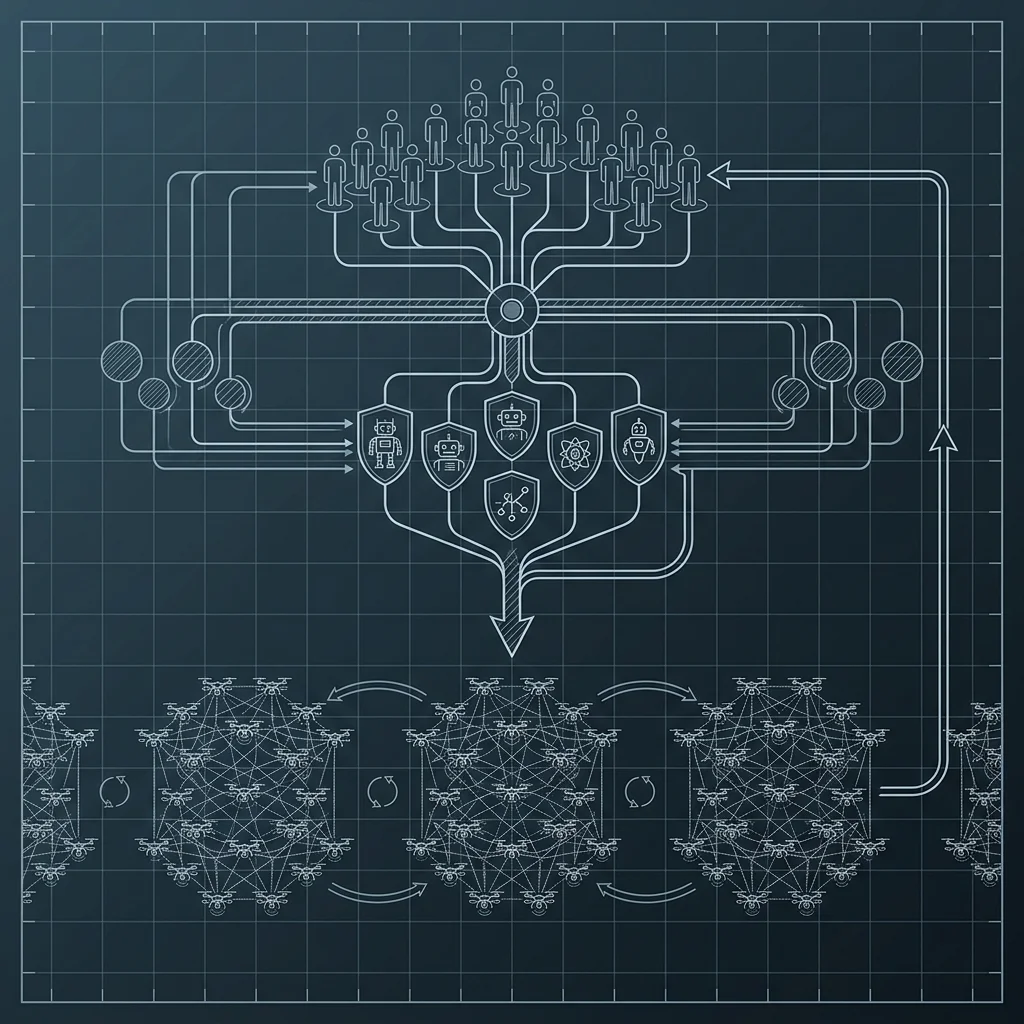
A typical 2026 Centaur Pod consists of:
- 1 Lead Architect (Human): Responsible for "Strategic Vision" and "Intent Alignment."
- 1 AI Reliability Engineer (ARE) (Human): A high-precision specialist focused on verifying agent outputs and maintaining the "Agentic Mesh."
- 100+ Task Agents (Autonomous): Dedicated agents for coding, testing, documentation, and infrastructure triage.
In this model, the "Junior Developer" role has vanished. It has been absorbed into the agentic fleet, leaving humans to occupy the roles of Verifyer and Strategist.
3. Beyond DORA: Metrics for the Hybrid Era
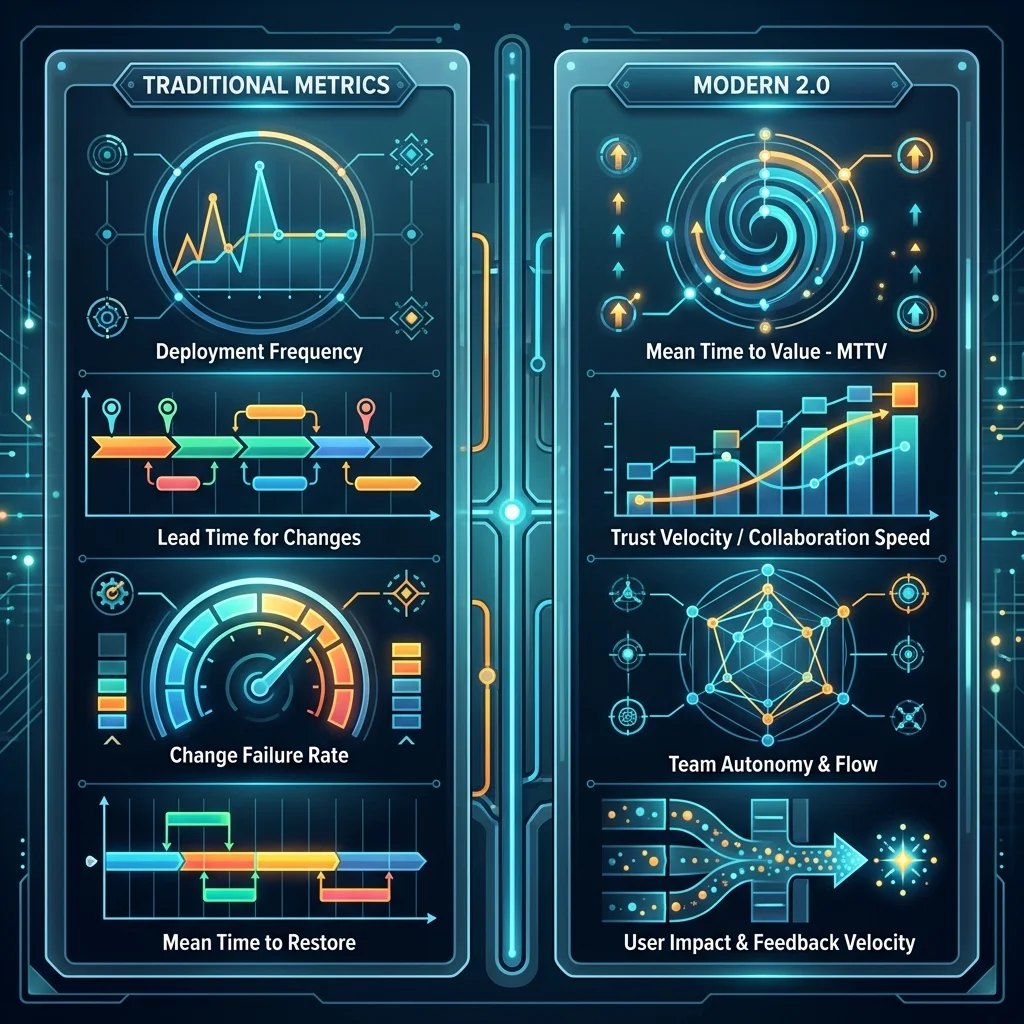
How do you measure a team when 90% of the code is written by machines? Standard metrics like "Deployment Frequency" or "Lead Time for Changes" are now effectively "noisy" because AI can generate thousands of commits a day.
Mean Time to Verification (MTTV)
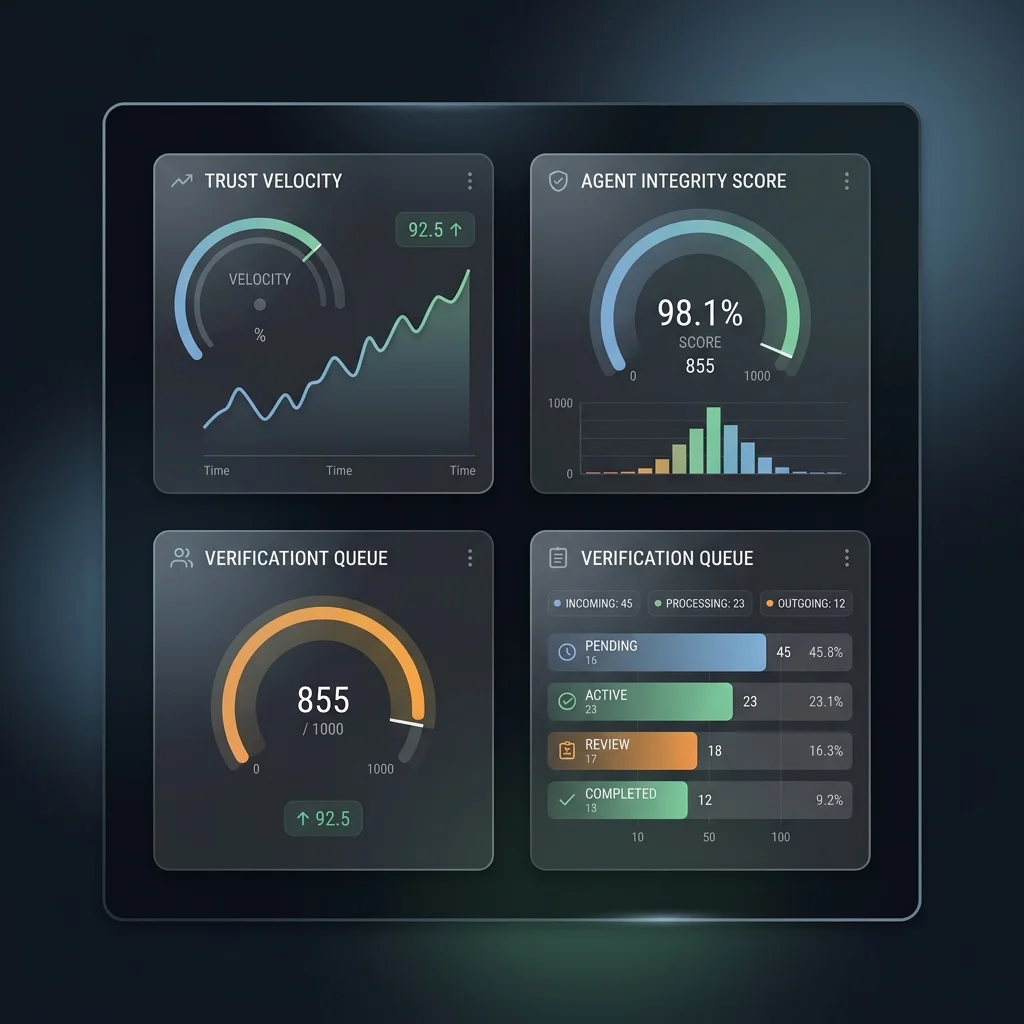
In 2026, the primary efficiency metric is Mean Time to Verification (MTTV). This measures the time it takes for a human architect to review, validate, and "bless" a task completed by an autonomous agent.
A high MTTV indicates a "Bottlenecked Human," while a low MTTV indicates a team that has successfully shifted to High-Trust Validation workflows.
| Metric | Legacy (2024) | Management 2.0 (2026) |
|---|---|---|
| Output | Story Points / LoC | Trust Velocity |
| Velocity | Sprint Burndown | MTTV (Verification Speed) |
| Quality | Bug Count | Oversight Ratio (%) |
| Health | Burnout Score | Cognitive Leverage Map |
Practitioner Insight: The 'Trust Velocity' Breakthrough
Last quarter, I managed a team that was shipping 400 pull requests a week via an agentic swarm. We noticed that although the output was high, the 'Trust Velocity'--"the percentage of PRs that passed human review without major rework--"was dropping to 40%. We realized the humans were becoming 'click-monkeys.' We pivoted our management strategy away from output and toward 'Precision Prompting' and 'Unit-Test Generation.' Within two weeks, our MTTV stayed the same, but our Trust Velocity climbed back to 95%.
4. Governance by Design: The HITL Protocol
In a hybrid team, the manager's most critical technical responsibility is Governance. You cannot afford an agent making a multi-million dollar decision without a "Kill Switch."
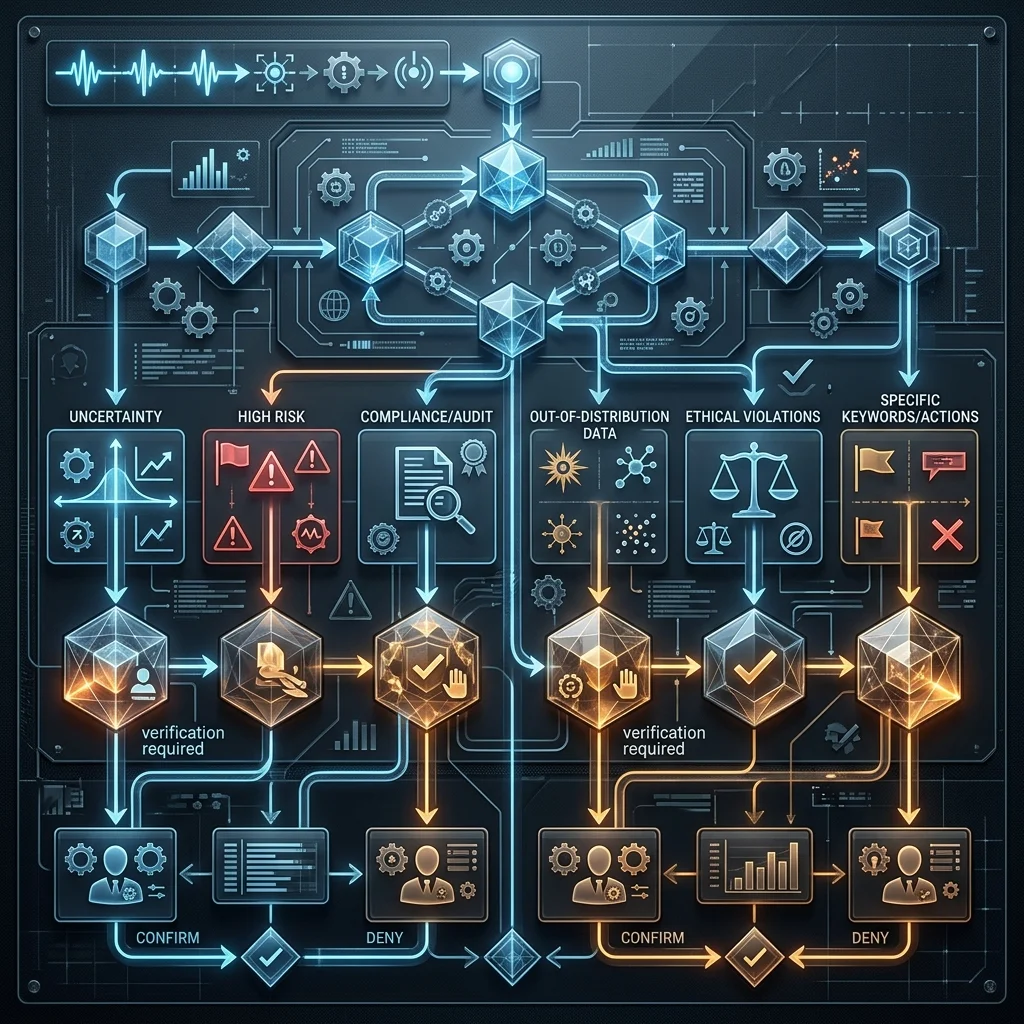
The HITL (Human-in-the-Loop) Trigger
We implement Human-in-the-Loop (HITL) protocols directly into our agentic mesh. When an agent encounters a "Low-Confidence" scenario or a "High-Risk" tool call (e.g., deploying to production or modifying a billing schema), it must automatically suspend execution and await a human signature.
Management v2.0 is about defining these Decision Boundaries. By pre-approving 90% of routine actions and focusing human intervention on the 10% high-risk nodes, we achieve absolute throughput with zero-risk governance.
5. EQ in the Age of Agents: The New 1:1
If the AI is handling the code, the testing, and the status reports, what happens during the weekly 1:1?
In 2026, the human-centric aspects of leadership have never been more important. Managers are moving away from being "Project Leads" and toward being "Human-Capacity Strategists."
1:1 Logic Shift
The 2026 1:1 meeting is structured differently:
- 20% Alignment: Ensuring the human's strategic intent matches the organization's goals.
- 50% Personal Growth: Upskilling the engineer into a Senior Architect or AI Reliability Engineer.
- 30% Emotional Health: Managing the psychological shift of "working alongside machines."
As AI handles the Mechanical, leaders must master the Musical--"the soft skills of inspiration, conflict resolution, and cultural preservation.
6. The Verification Lifecycle: From Draft to Blessed
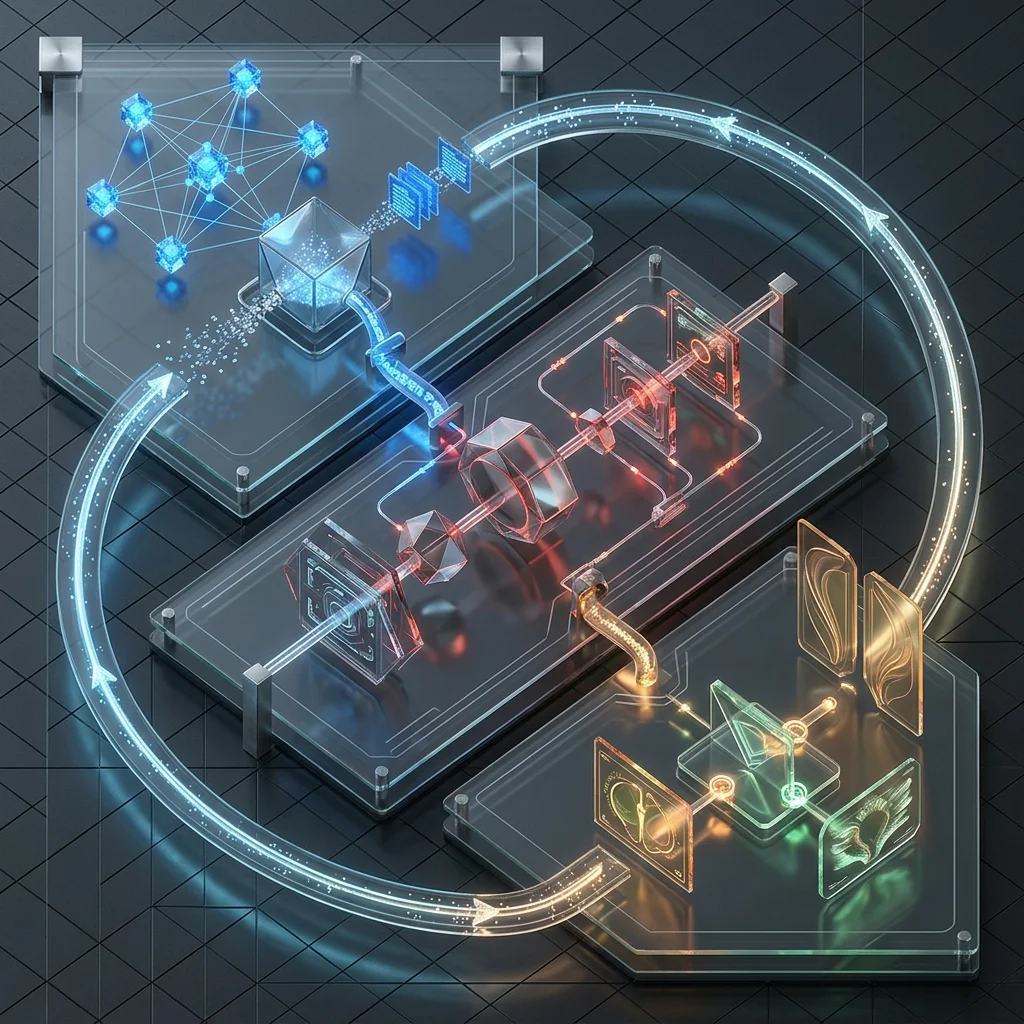
The final piece of the Management v2.0 stack is the Verification Lifecycle. Every piece of AI-generated content--"be it code, documentation, or infrastructure--"must go through a strict, multi-stage validation process.
- Agentic Self-Correction: The agent reviews its own output for obvious faults.
- Cross-Agent Audit: A second "Auditor Agent" performs a formal check.
- Human Blessing: The human architect provides the final "Strategic Seal of Approval."
The 2030 Horizon: Toward Self-Evolving Organizations
By 2030, the role of "Manager" will transition into "Intelligence Architect." Organizations will become self-evolving meshes where agents propose their own sub-swarms to solve emergent problems, and human leaders act as the sovereign "Moral and Strategic Compass" of the enterprise.
Will AI agents replace Engineering Managers in 2026?
No, but they will replace the tasks of the Engineering Manager. Status-tracking, report generation, and basic resource allocation are now automated. This frees the human manager to focus on high-value strategy, architectural vision, and deep human mentorship.
What is a 'Centaur Pod'?
A Centaur Pod is the modern organizational unit consisting of a small group of high-level human architects (usually 1-2) who orchestrate a large swarm (100+) of autonomous task agents. It is the peak of cognitive-leverage in software engineering.
Why is Mean Time to Verification (MTTV) important?
In an era where AI can generate infinite code, the bottleneck is no longer "writing code"--"it is 'verifying the code is correct." MTTV measures how fast your human experts can safely validate and deploy agent-generated work.
How do you prevent 'Agent Rogue' scenarios in a hybrid team?
We implement strict Human-in-the-Loop (HITL) triggers. High-risk actions (production deploys, budget changes) are barred by agentic guardrails and require a cryptographic signature from a human leader before execution.
What role does EQ play in a world of autonomous agents?
Emotional Intelligence is more valuable than ever. As the "mechanical" work is automated, the manager's value lies in managing the human experience--"preventing burnout, fostering a culture of innovation, and aligning human purpose with machine efficiency.
About the Author
Vatsal Shah is a world-class AI Solutions Architect and Hybrid Leadership Strategist. He designs the organizational architectures and verification lifecycles that power the next generation of human-agent engineering teams. Vatsal consults for global enterprises to transition their legacy management structures into high-performance 'Centaur Pods."
Additional Intelligence Assets