STRATEGIC OVERVIEW
The Shift to Autonomous Infrastructure As companies move beyond static LLM deployments, the current challenge is managing **Autonomous AI Agents**—LLM-driven processes that can act on your behalf, call APIs, and self-correct when they encounter errors.
The Shift to Autonomous Infrastructure
As companies move beyond static LLM deployments, the current challenge is managing Autonomous AI Agents—LLM-driven processes that can act on your behalf, call APIs, and self-correct when they encounter errors.
Deployment Architecture
The recommended blueprint for an enterprise-ready agent platform is built on Kubernetes (k8s) for maximum portability and scale.
- Isolated Runner Pods: Each agent instance executes in an ephemeral, sandbox container with restricted network access.
- Shared Vector Context: Low-latency connectivity to a centralized vector database for long-term memory.
- Audit Relay: A dedicated microservice that intercepts all agent outputs to ensure compliance with predefined business policies.

Why This Solution Wins at Scale
- Infinite Scaling: Leverage k8s Horizontal Pod Autoscaler (HPA) to scale agent clusters based on message queue depth.
- Fault Tolerance: If an agent instance hangs or encounters a fatal model error, k8s automatically replaces the pod, maintaining workflow continuity.
- Data Gravity: Deploying the agents close to your on-premise or cloud-native data stores minimizes latency and security overhead.
Best Practices for "Agent-Ops"
Deploying agents is half the battle; maintaining them is the other half. We recommend implementing:
- Semantic Monitoring: Alerting based on the "intent" of the agent's output rather than just HTTP error codes.
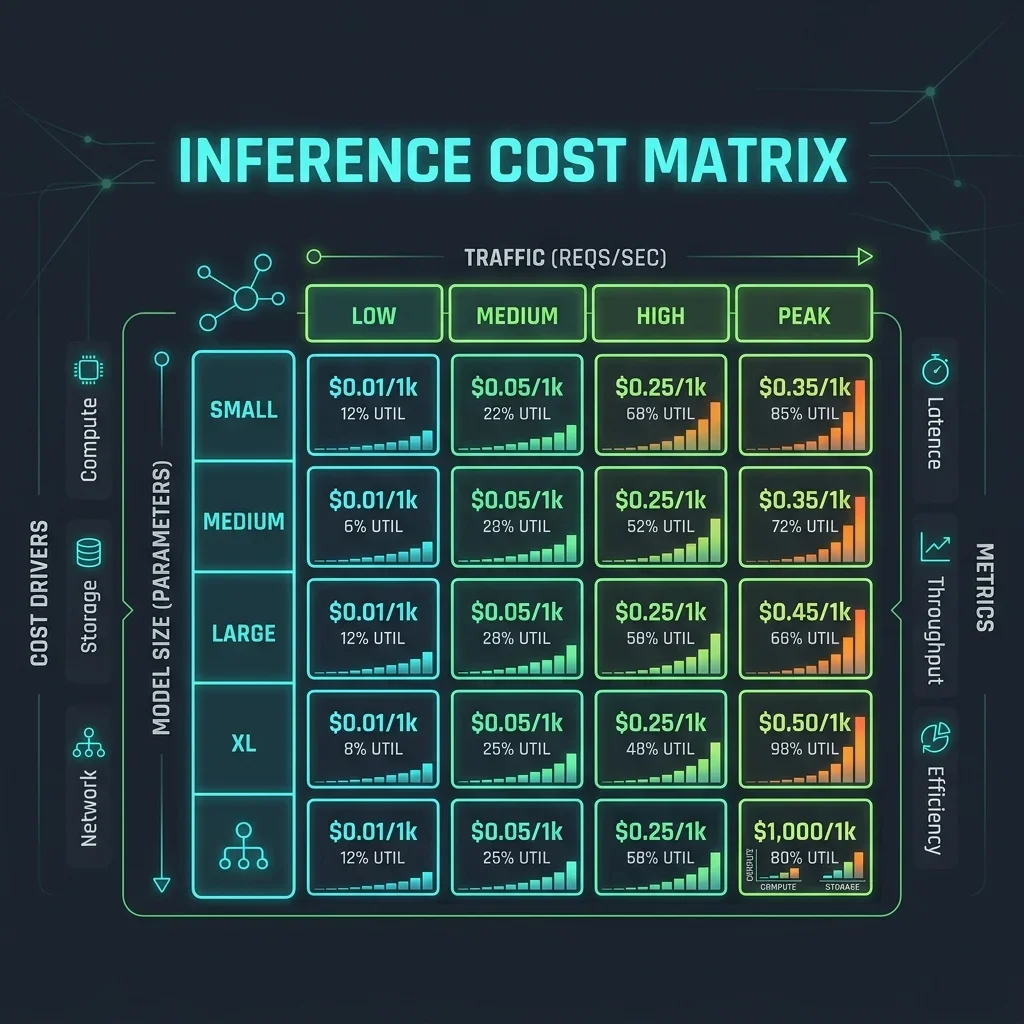
- Cost-Aware Routing: Automatically switching between high-capability models (e.g., GPT-4o) and cost-optimized models (e.g., Llama 3) based on the task complexitiy.
Vatsal Shah is a solution architect helping global enterprises build these high-reliability AI platforms.