STRATEGIC OVERVIEW
Practitioner breakdown of FinOps Transformation: Engineering Solutions to the Cloud Bill Crisis in 2026 — written for CTOs, VP Engineering, and India GCC leads shipping production AI with measurable ROI.
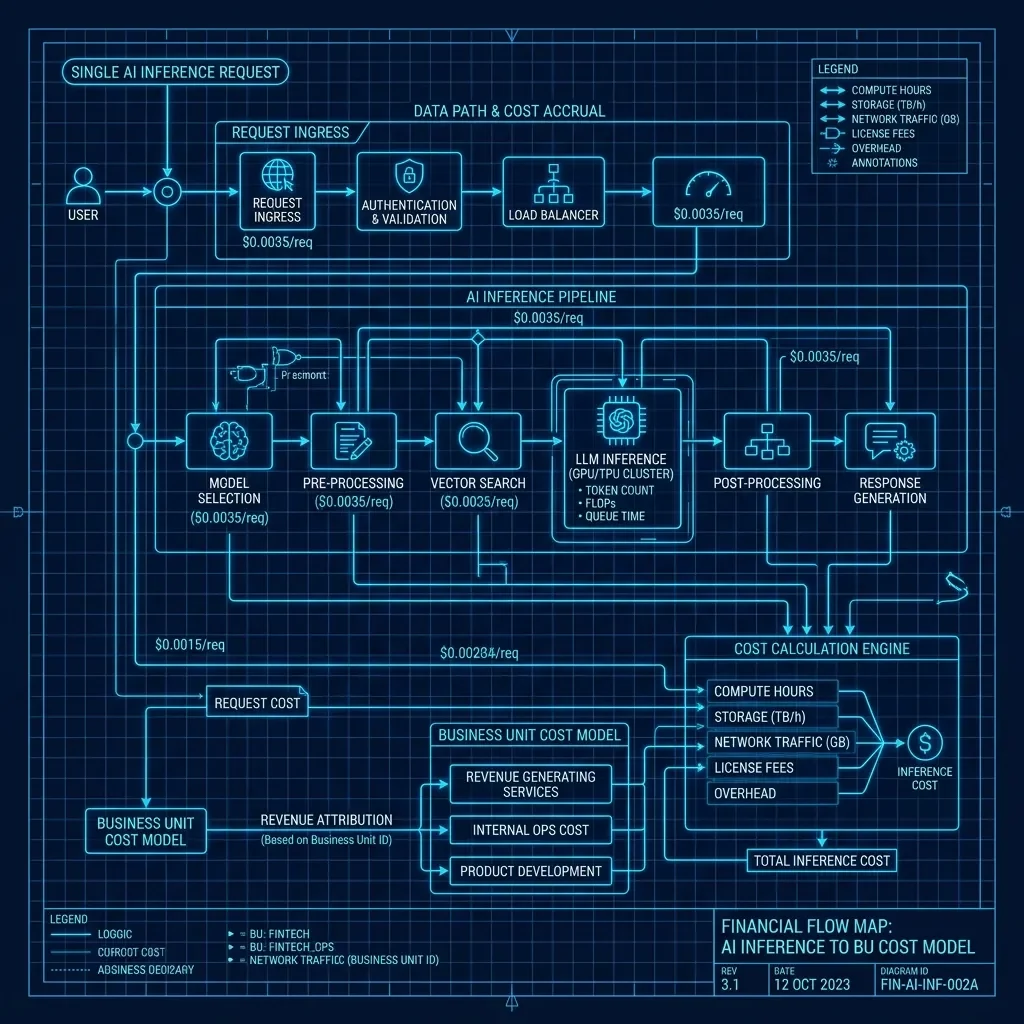
1. The Era of Unit Economics: Cost per Million Tokens
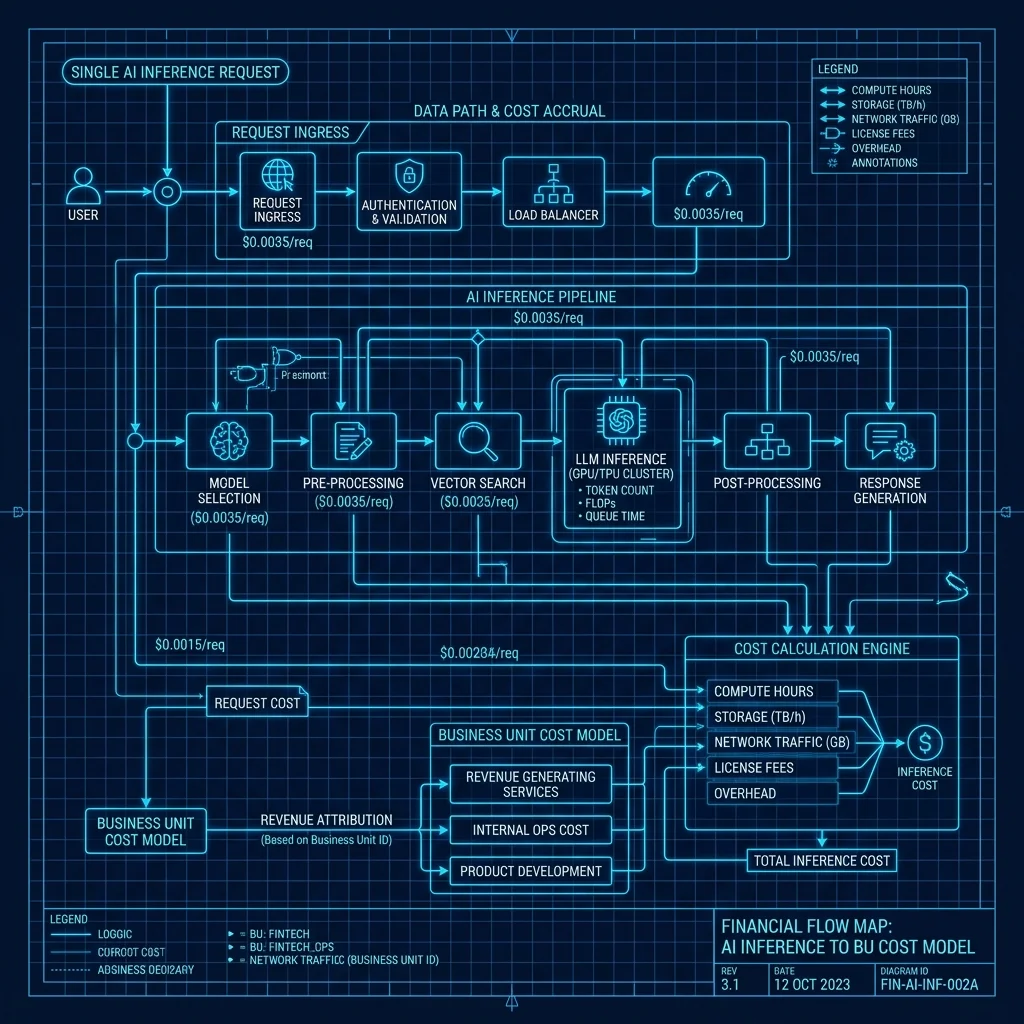
Traditional cloud metrics like "Instance Hours" or "Storage GB/Month" are virtually useless when evaluating the success of a Large Action Model (LAM). In a world of shared GPU clusters and heterogeneous inference engines, the only metric that matters is Unit Economics.
Moving Beyond the Bill
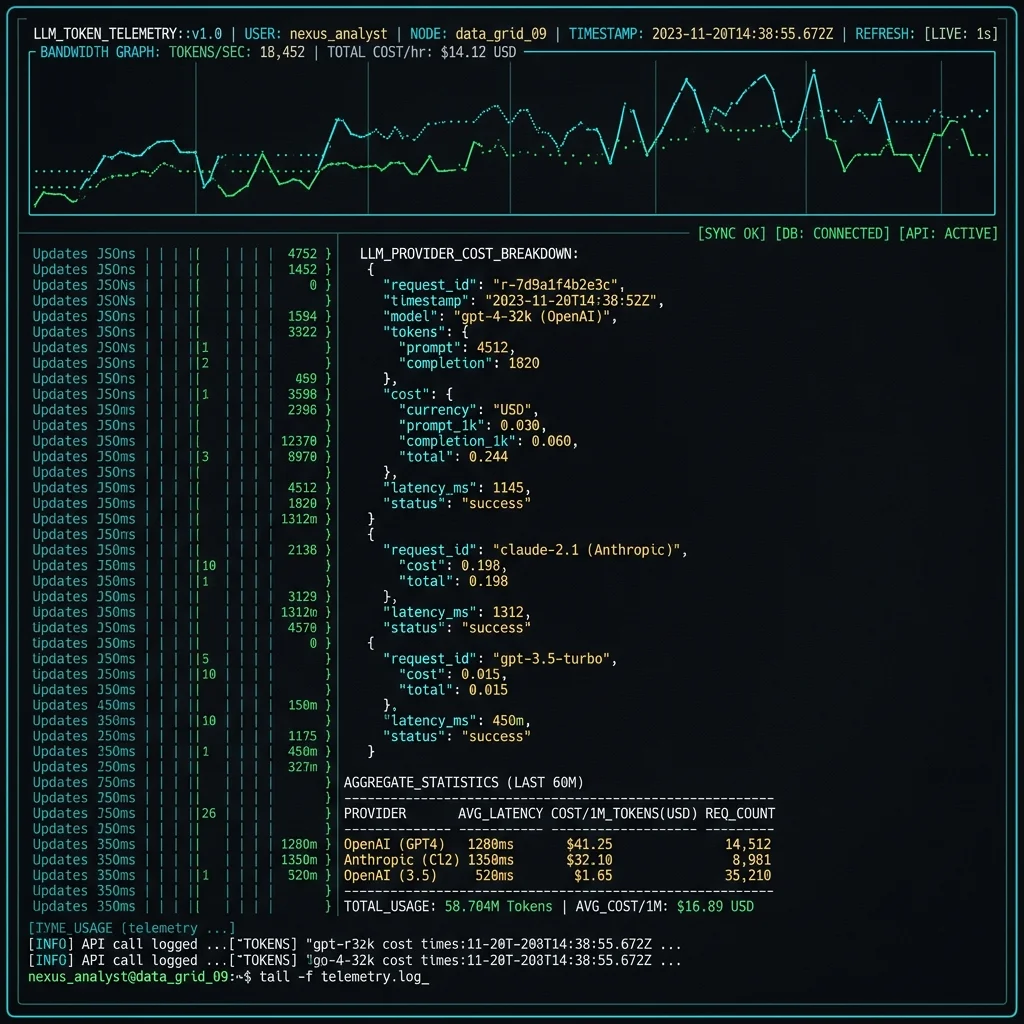
In 2026, we measure the Cost per Million Tokens or the Cost per 1,000 Inferences. This allows the business to tie technology spend directly to customer value.
If it costs $0.04 to process a customer's intent but the resulting transaction only nets $0.02, no amount of "cloud scaling" will save the project. FinOps Transformation requires the engineering team to have real-time telemetry on these unit costs at the API call level.
2. Navigating the Optimization Plateau
After years of cloud maturity, most organizations have already picked the "Low-Hanging Fruit." They have deleted their orphaned volumes, implemented basic rightsizing, and reserved their instances.
The 15% Waste Floor
Our 2026 Strategic Audit shows that most mature FinOps programs hit an Optimization Plateau at approximately 15-20% residual waste. Why? Because the engineering effort to capture that remaining 15% often exceeds the financial value of the savings.
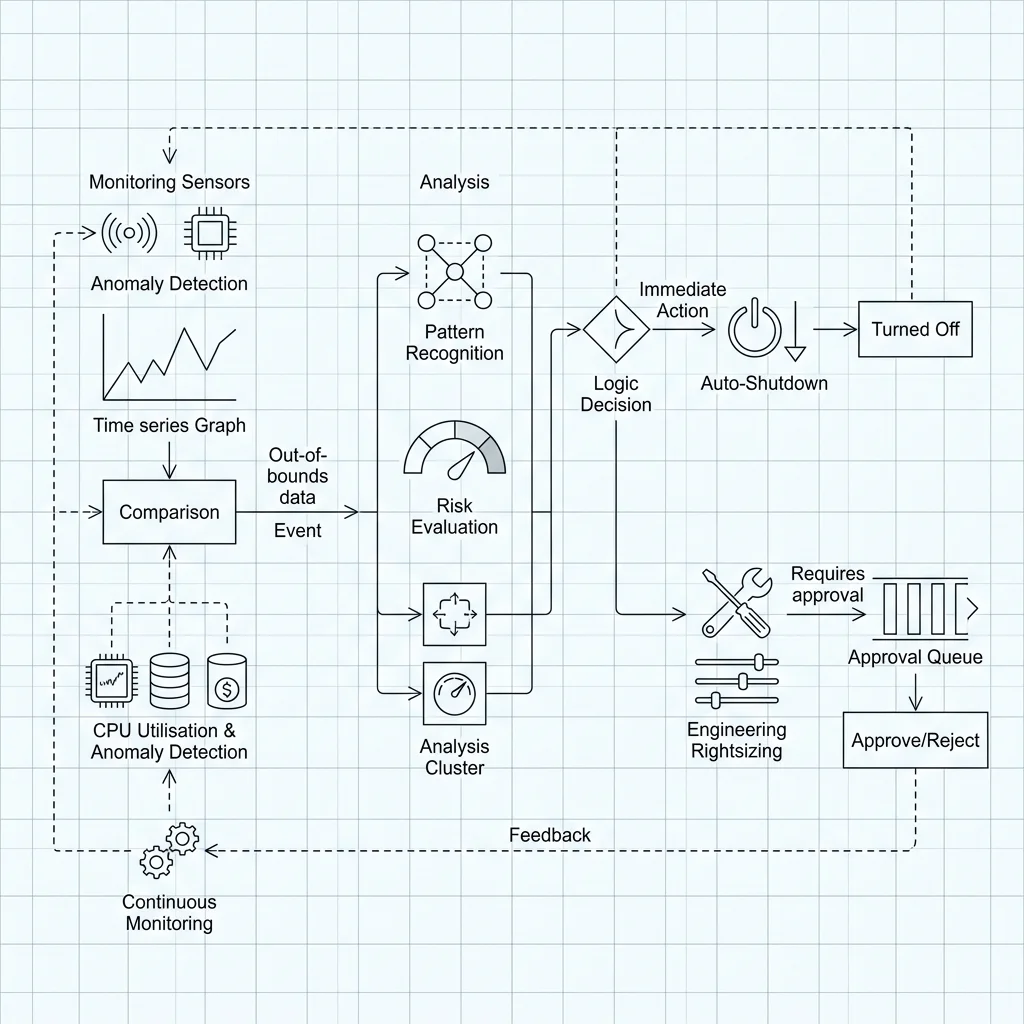
The breakthrough in 2026 is avoiding this plateau via Automated AI Remediation. We no longer ask engineers to manually downsize a cluster--"we deploy FinOps Agents that perform micro-scaling based on predictive load patterns, capturing the final 10% of efficiency without human intervention.
Practitioner Insight: The 'Expensive-by-Design' Antidote
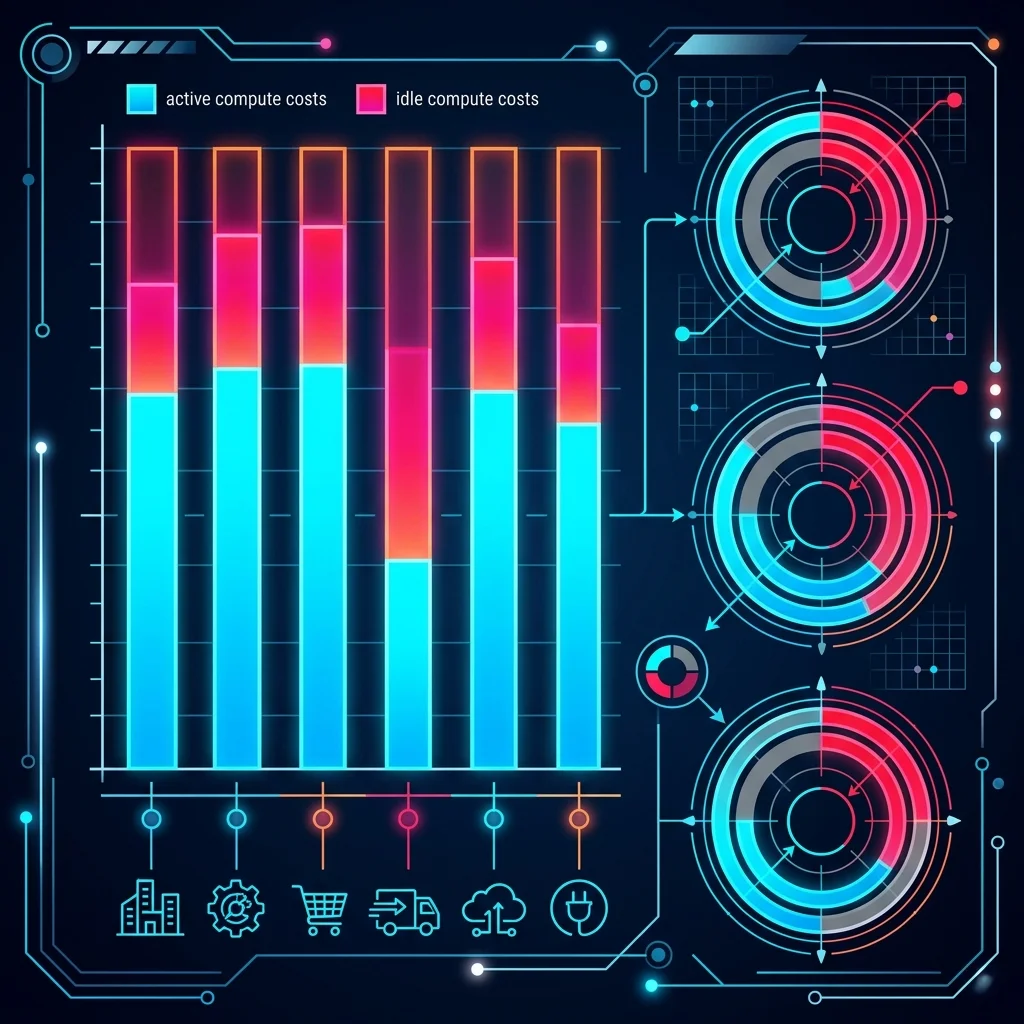
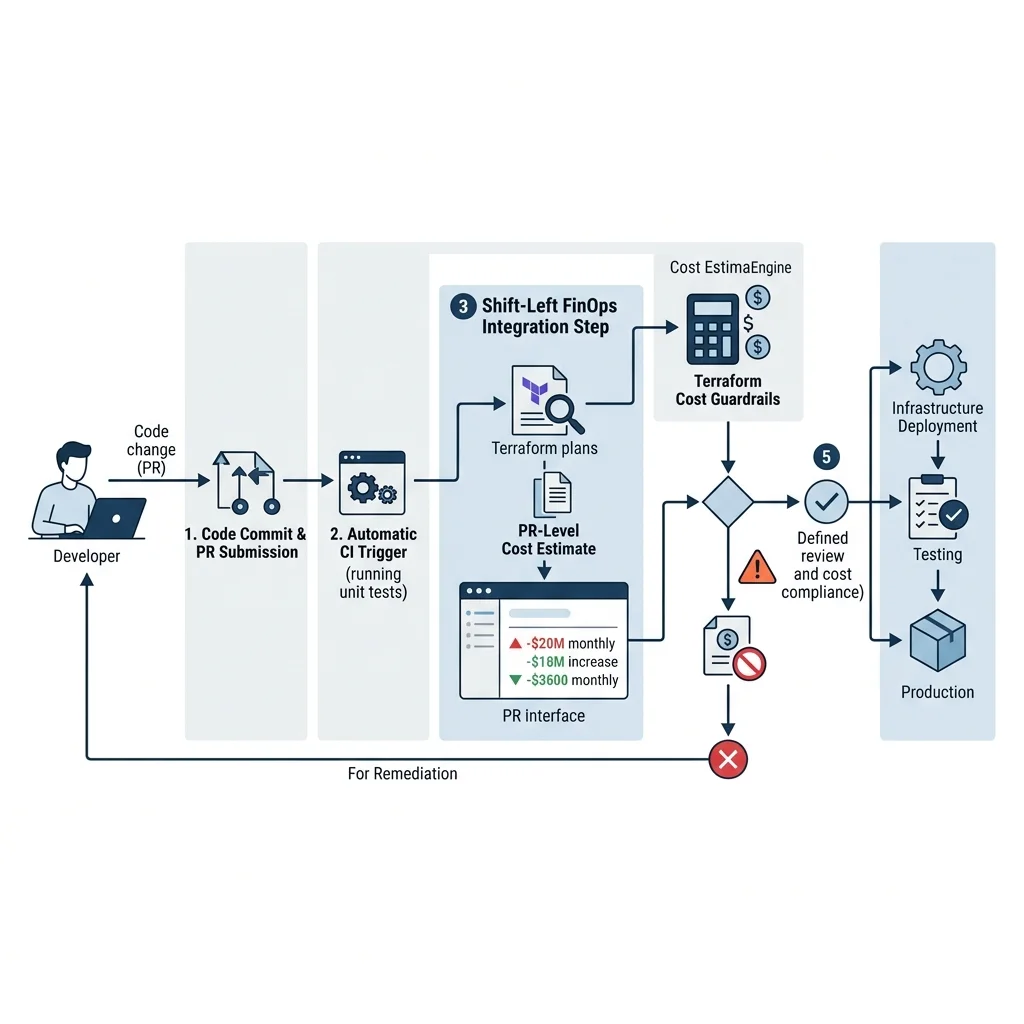
I recently audited a legacy AI pipeline where the developers had accidentally configured a vector-indexing job to run on high-memory A100 nodes for 24 hours a day, even when the data ingestion was idle. The bill was $45,000 per week. By implementing a 'Shift-Left' policy--"where the CI/CD pipeline runs a COST_CHECK step against the infra-as-code--"we identified the anomaly before the next deploy. We replaced the static cluster with an event-driven serverless executor, dropping the weekly bill to $1,800.
3. The Autonomous FinOps Stack
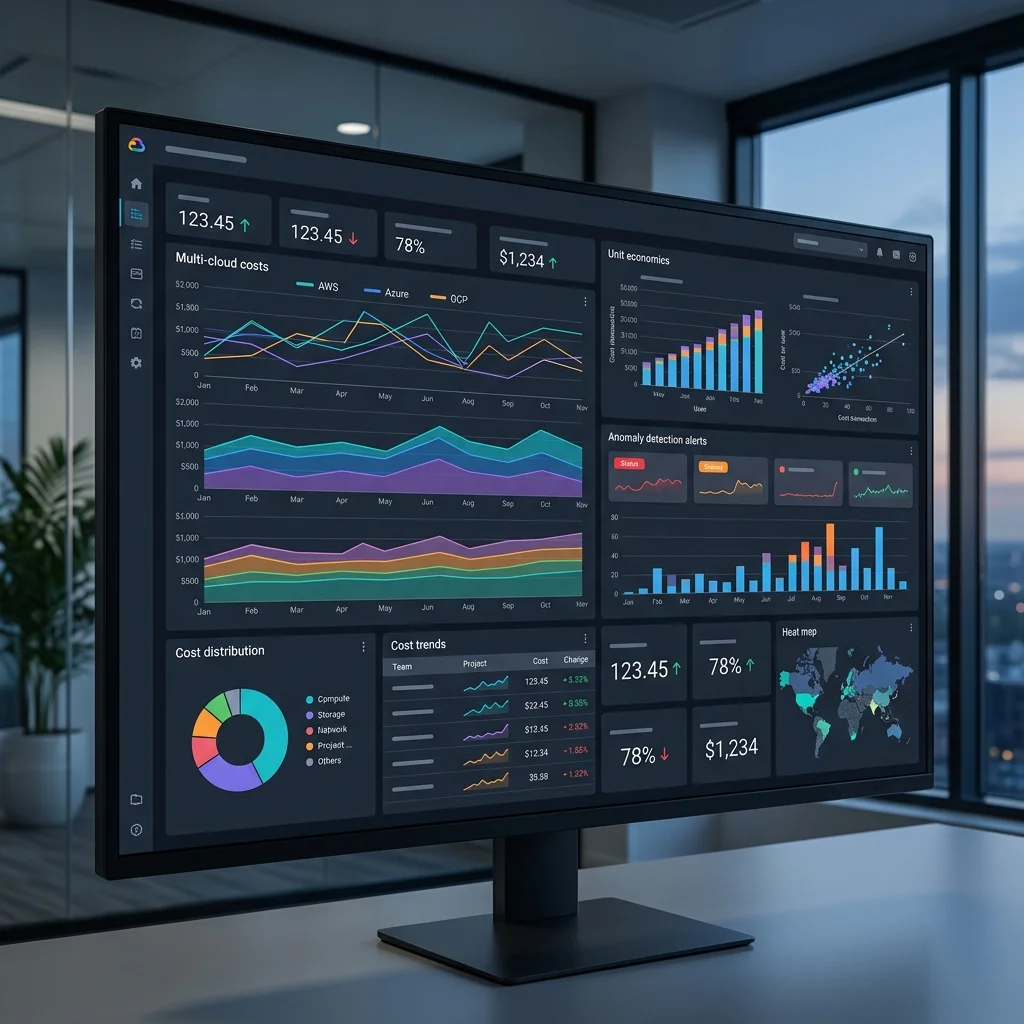
In 2026, the standard FinOps dashboard is no longer a static chart of last month's spend. It is a live, Technology Value Management (TVM) interface.
Predictive Rightsizing
We utilize models like vLLM not just for user inference, but to run our own internal FinOps models. These models analyze historical GPU utilization and token throughput to predict when a cluster can be safely "shrunk" without affecting the user's First-Token-Latency (FTL).
4. Shifting Left: The Architecture Phase
FinOps success is decided before the first line of code is written. By Shifting Left, we embed cost-consciousness into the architectural selection process.
- Selection Sovereignty: Choosing the right model size (7B vs 70B) based on the specific cost-per-accuracy requirement.
- Gravity Mapping: Placing steady-state inference in Sovereign Architecture (private/colo) to eliminate the "Egress Tax" of public hyperscalers.
- Automated Remediation: Building the logic for self-healing, cost-aware infrastructure directly into the Terraform/Pulumi scripts.
5. Token Cost Telemetry: The New Standard
For organizations managing multi-agent swarms, the ability to track Token Cost Telemetry in real-time is the difference between profit and bankruptcy. We implement deep headers across our Agentic Mesh to tag every sub-request with its parent cost-center.
The 2030 Horizon: Autonomous Treasury
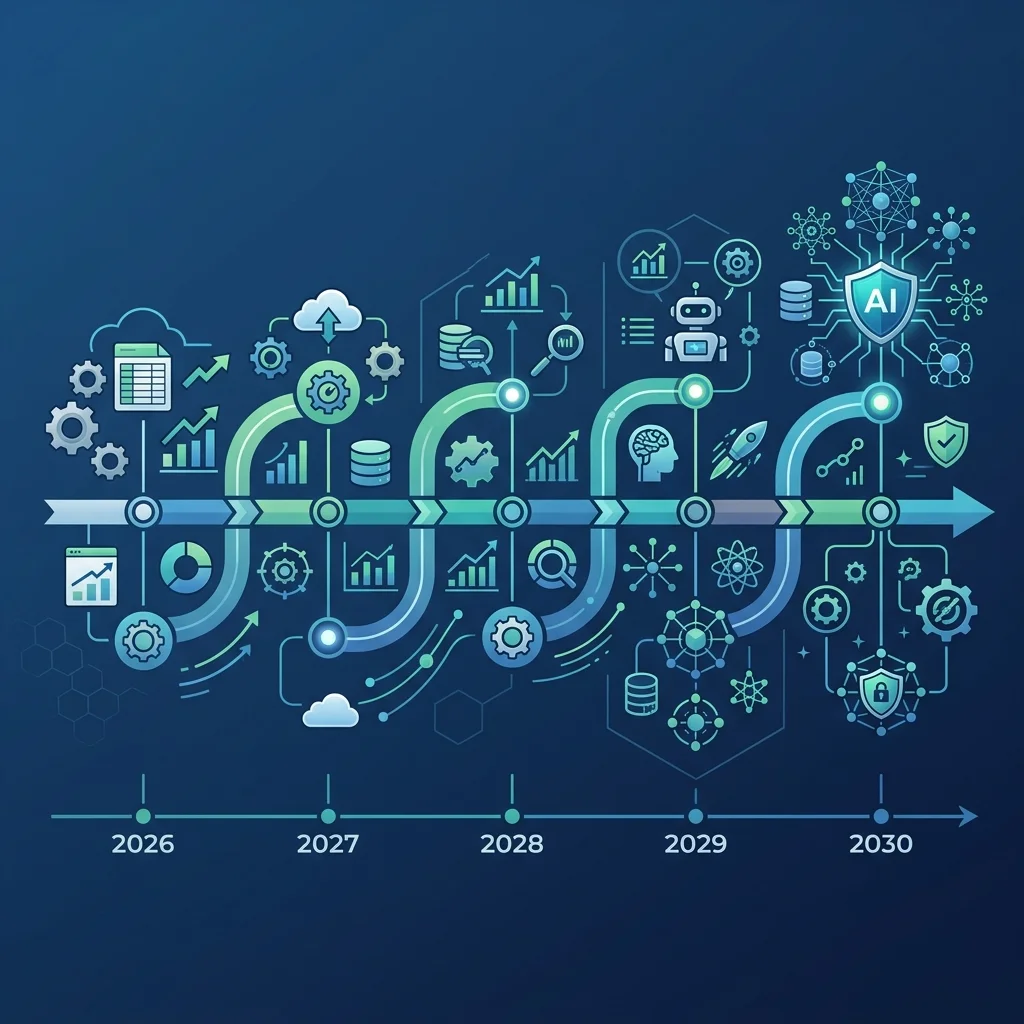
By 2030, FinOps will transition into Autonomous Treasury. We will see infrastructure that can dynamically "bid" for GPU spot-capacity across heterogeneous clouds based on real-time budget availability and task priority. Your infrastructure won't just scale--"it will negotiate.
What are AI unit economics in 2026?
AI unit economics is the practice of tying the cost of AI compute (tokens, inference, training) directly to a business-relevant metric. Standard KPIs include "Cost per 1,000 Successful Inferences" or "Cost per Million User Tokens." This allows the business to ensure a positive ROI at the model-interaction level.
Why do mature FinOps programs hit an 'Optimization Plateau'?
Most organizations hit a floor at 15-20% waste because the "easy" wins (orphaned volumes, unreserved instances) are already resolved. Reducing the remaining fraction requires deep, manual code re-architecture or expensive engineering hours that often negate the savings. Capturing this last 15% now requires AI-driven automated remediation.
Is shifting to a private cloud always cheaper for AI?
No. Private cloud (Sovereign Architecture) is cheaper for Steady-State Inference because you avoid ingress/egress taxes. However, public hyperscalers are still more cost-effective for massive, bursts of training work (elastic scale) where you only need 50,000 GPUs for a few days.
How does 'Shift-Left' affect the developer experience?
If done correctly, it improves it. Instead of getting a "bill shock" email at the end of the month, the developer sees a COST_WARNING directly in their Pull Request. This allows them to catch inefficient resource requests before they hit production.
How often should we re-evaluate model selections for cost?
Quarterly. The "Price-to-Performance" ratio of open-source vs. closed-source models is currently shifting dramatically every 90 days. A project that required GPT-4o in Q1 might be perfectly serviceable for 1/10th the cost by a fine-tuned Llama 3 in Q3.
About the Author
Vatsal Shah is a world-class AI Solutions Architect and FinOps visionary specializing in Industrial Technology Value Management. He designs high-performance AI architectures that scale without ballooning cloud bills. Vatsal consults for global enterprises to implement "Cost-by-Design" principles, ensuring that the next generation of AI innovation remains financially sustainable.
Additional Intelligence Assets